The Strait of Hormuz Crisis: A Wake-Up Call for Shipping in a Geopolitical Era

The Strait of Hormuz Crisis: A Wake-Up Call for Shipping in a Geopolitical Era

Welcome to this week’s deep dive into the evolving world of global shipping—a realm where the tides of politics are now steering the course far more than traditional concerns like speed or cost. If recent events around the Strait of Hormuz have caught your attention, you’re not alone. What’s unfolding is not just a shipping crisis; it’s a signal that most companies remain woefully unprepared for the rise of “political logistics.”

Today, we’ll explore how shipping decisions have transcended mere logistics and efficiency to become inherently geopolitical moves. To bring this into focus, consider China’s recent moves to restrict exports of critical materials—a prime example of how countries are harnessing supply chains as strategic tools.

Shipping Routes: Now a Chessboard of Political Moves

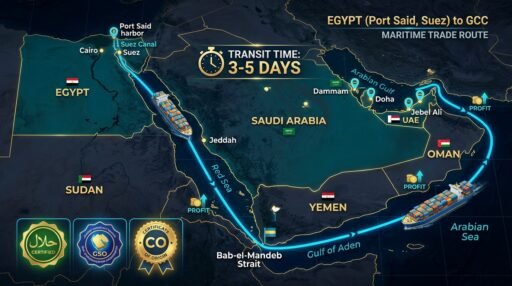
Gone are the days when shipping routes were planned simply by calculating the shortest or cheapest path. The Strait of Hormuz crisis made it painfully clear: control over key maritime chokepoints can quickly become leverage in international politics. This strategic waterway is a vital artery for global oil shipments, and any disruption sends ripples throughout the global economy.

But the Strait of Hormuz is just one piece of a much larger puzzle. Countries are increasingly using their control over supply chains as a form of economic retaliation or political pressure. China’s tightening grip on exports of rare earth elements and other critical materials is a textbook case. These materials are essential for everything from smartphones to electric vehicles and advanced military technology. By controlling these exports, China isn’t just influencing trade—it’s shaping international power dynamics.
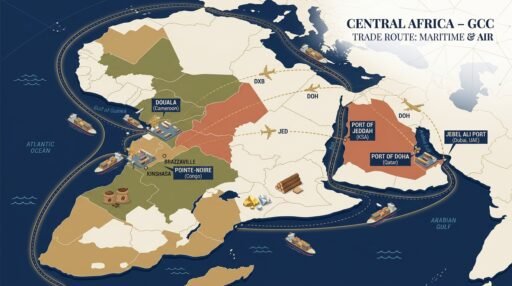
Evidence in Action: China’s Expanding Toolkit

Evidence in Action: China’s Expanding Toolkit

China isn’t acting in isolation; it’s actively expanding its arsenal of tools to control supply chains and respond economically to political challenges. This shift highlights a crucial insight: logistics is no longer just a back-end function of commerce. It’s a frontline arena where geopolitical strategies play out.

For companies still operating under the assumption that efficiency and cost are the primary factors shaping their shipping decisions, the reality check is harsh. Political considerations—such as the risk of sanctions, trade embargoes, or sudden route closures—must now be factored into every decision. The cost of ignoring these factors can be severe disruptions, lost revenue, or even reputational damage.

Tariffs, War, and AI: Why Traditional Freight Models Will Collapse by 2030

Tariffs, War, and AI: Why Traditional Freight Models Will Collapse by 2030

The combination of rising tariffs, geopolitical conflicts, and advancements in AI-driven logistics is set to disrupt traditional freight models fundamentally. Tariffs create unpredictable cost fluctuations, while geopolitical tensions can instantly close or reroute critical shipping lanes. Meanwhile, AI is enabling smarter, more adaptive supply chains that can respond in real time to such disruptions. The old models based purely on cost and time efficiency won’t survive the complexity and volatility of the coming decade.

Shipping Is the New Battlefield: What Smart Businesses Understand That Others Ignore

global shipping routes

Forward-thinking companies recognize that shipping is no longer a neutral logistical task but a strategic battleground. They invest in diversified supply chains, develop contingency plans for geopolitical disruptions, and leverage technology to gain real-time insights into global risks. Businesses that ignore this reality risk being blindsided by sudden policy changes, trade wars, or supply chain interruptions that could threaten their survival.

What This Means for Businesses

In this new era of “political logistics,” companies need to rethink their approach to global supply chains. Diversification of routes, investment in alternative sources of critical materials, and enhanced geopolitical risk assessment are no longer optional—they’re essential.

Shipping decisions have moved from the docks and warehouses straight into the halls of diplomacy and strategy. Navigating this landscape demands not only logistical expertise but also a nuanced understanding of global politics.

Frequently Asked Questions (FAQs)

Why are shipping decisions now considered geopolitical?
Because control over shipping routes and supply chains can be used as political leverage by countries, influencing trade, security, and economic stability.
How does China’s export control affect global supply chains?
By restricting exports of critical materials, China can impact industries worldwide, from technology to defense, forcing companies and countries to reevaluate their supply dependencies.
What is “political logistics”?
It refers to the integration of geopolitical risk assessment and strategy into logistics and supply chain management, recognizing that shipping is influenced by political forces beyond traditional commercial factors.
How can companies prepare for these geopolitical shipping risks?
By diversifying suppliers and routes, investing in alternative materials, incorporating geopolitical risk analysis, and using technology to monitor global developments in real-time.
Will AI replace traditional freight models?
AI will transform freight models by enabling flexible, adaptive logistics systems that respond quickly to changing conditions, making traditional static models obsolete.
learning

Wrapping Up

The Strait of Hormuz crisis has sounded a loud alarm for the shipping industry and the companies that rely on it. As politics increasingly shape the flow of goods, staying ahead means embracing a new mindset where every shipping decision is also a geopolitical decision.

For inquires , please contact info@alfurqanshipping.com

Next week, we’ll delve into how technology and data analytics are helping businesses adapt to this complex new world of political logistics. Until then, stay curious and stay prepared—because in today’s interconnected world, shipping is about much more than just moving goods from point A to point B.

Did you know that the United Arab Emirates is currently investing billions to connect its major industrial hubs through a massive, high-speed transit network? This ambitious project is reshaping how goods move across the GCC, turning the desert landscape into a global center for trade.

As this infrastructure matures, it creates a wealth of exciting career paths for skilled professionals. Whether you are an engineer or a supply chain expert, the rise of Railway Logistics offers a unique chance to build a future in a rapidly evolving sector.

The network managed by Etihad Railways serves as the backbone of this transformation. It provides stable, long-term Jobs and Oppurtunities for those ready to innovate. We are here to help you navigate this roadmap toward a successful career in modern transit.

Key Takeaways

  • The UAE is becoming a central hub for international trade through advanced transit networks.
  • Massive infrastructure investments are driving demand for skilled professionals in the region.
  • The sector offers diverse career paths for engineers, planners, and supply chain experts.
  • Working in this field provides a chance to contribute to a historic national project.
  • Strategic planning and professional development are essential for securing roles in this growing industry.

Understanding the Railway Logistics Landscape in the GCC

The GCC logistics market is currently undergoing a massive transformation driven by ambitious rail projects. This shift is reshaping how goods move across borders, positioning the region as a central hub for the global transportation industry. For professionals, this evolution represents a unique window of opportunity to join a sector that is vital to the future of the Middle East.

The Strategic Importance of Etihad Rail

Etihad Rail serves as the backbone for regional connectivity, linking major industrial hubs and ports across the United Arab Emirates. By creating a seamless network, it reduces reliance on traditional road transport and lowers carbon emissions significantly. This rail infrastructure is a cornerstone of the nation’s economic diversification strategy.

The project does more than just move freight; it acts as a catalyst for long-term growth. Here are the primary ways it supports the regional economy:

  • Enhanced Connectivity: Linking remote industrial zones to major international trade routes.
  • Economic Efficiency: Reducing logistics costs for businesses operating within the UAE.
  • Sustainability: Providing a greener alternative to heavy-duty trucking fleets.

Growth Trends in UAE Transportation Infrastructure

The rapid expansion of the transportation industry in the UAE is creating thousands of new roles for skilled workers. Government investment in modern technology and smart logistics is attracting global talent to the region. As the GCC logistics market continues to mature, the demand for expertise in operations, maintenance, and project management is reaching new heights.

Candidates who understand these macro-level shifts are better positioned to align their career goals with the industry’s trajectory. Investing time in learning about modern rail infrastructure will provide a competitive edge during the recruitment process. The future of logistics in the UAE is bright, and the current growth phase is only the beginning of a long-term upward trend.

Essential Skills and Qualifications for Etihad Rail Careers

To thrive in the UAE’s rapidly evolving rail sector, candidates must align their expertise with industry-specific demands. Success in this field requires a unique blend of specialized knowledge and personal drive. By mastering these core competencies, you can significantly improve your chances of securing a role in this competitive landscape.

technical skills for railway logistics

Technical Competencies in Rail Operations

The foundation of any role within the national rail network is a strong grasp of technical skills. Hiring managers look for candidates who understand complex logistics, supply chain management, and safety protocols. Proficiency in digital tracking systems and automated rail management software is often a key requirement for operational success.

Safety and compliance are non-negotiable in the railway industry. Applicants should demonstrate a deep understanding of international rail standards and local UAE regulations. Having a background in heavy industry or large-scale infrastructure projects provides a distinct advantage during the selection process.

Soft Skills Required for Cross-Functional Teams

While technical ability gets you through the door, your interpersonal capabilities determine your long-term success. Etihad Rail operates through highly integrated, cross-functional teams that rely on clear communication. The ability to translate complex data into actionable insights for colleagues in different departments is highly valued.

Adaptability and problem-solving are also essential traits for those working in fast-paced logistics environments. You must be comfortable collaborating with diverse teams to ensure that projects remain on schedule. Effective teamwork ensures that every link in the supply chain functions smoothly and safely.

Educational Backgrounds and Certifications

Most roles at Etihad Rail require a solid academic foundation, typically in engineering, logistics, or business management. Beyond formal degrees, industry-recognized certifications in project management or supply chain logistics can set your application apart. These credentials signal to recruiters that you are committed to professional development.

The organization places a high premium on continuous learning. Employees who actively seek out new training opportunities often find faster paths to career advancement within the company. Investing in your own growth is the best way to stay relevant in this dynamic and growing sector.

Navigating the Etihad Rail Recruitment Portal

Finding your next role within the UAE’s expanding rail network starts with mastering the official recruitment portal. This digital gateway is the primary hub for Etihad Rail recruitment, connecting talented professionals with transformative projects that drive UAE career growth. By understanding how to use this platform effectively, you position yourself as a serious candidate in a competitive market.

Etihad Rail recruitment

Creating a Professional Candidate Profile

Your profile serves as your digital handshake with the company. Ensure that every section is filled with accurate, up-to-date information regarding your work history and technical skills. Using clear, professional language helps recruiters quickly identify your value proposition.

Do not overlook the importance of uploading a clean, ATS-friendly resume. Following these job application tips will help you maintain a profile that reflects your true potential. A complete profile is often the first thing hiring managers review when searching for new talent.

Setting Up Job Alerts for New Openings

The logistics sector in the region moves quickly, and staying informed is vital for your UAE career growth. You can configure automated email notifications directly within the portal to receive updates whenever a role matching your expertise is posted. This proactive approach ensures you are among the first to submit an application.

By setting specific filters for job titles or departments, you avoid cluttering your inbox with irrelevant listings. This strategy allows you to focus your energy on roles that align perfectly with your professional goals. Staying ahead of the curve is a hallmark of a successful job seeker.

Understanding the Application Submission Process

Once you identify a suitable vacancy, the submission process is designed to be straightforward. You will typically need to confirm your contact details, upload your supporting documents, and answer a few screening questions. Applying these job application tips, such as double-checking your contact information, can prevent unnecessary delays in the review process.

Stage Action Required Key Focus
Profile Setup Complete all fields Accuracy and Detail
Job Search Apply filters Relevance to Skills
Submission Upload documents Compliance and Clarity
Tracking Check portal status Consistency

After you submit your application, the portal allows you to track the status of your request in real-time. Patience is key, as the recruitment team carefully evaluates each candidate to ensure the best fit for their team. Keep your profile updated regularly to remain visible for future opportunities.

Crafting a Resume Tailored for Railway Logistics

Your resume serves as the primary gateway to securing a role within the competitive UAE railway industry. Mastering the art of resume optimization is the most effective way to stand out in the logistics sector. By aligning your professional history with the specific needs of a rail operator, you significantly increase your chances of landing an interview.

resume optimization in the logistics sector

Highlighting Relevant Logistics Experience

When detailing your work history, focus on achievements that demonstrate your ability to manage complex supply chains. Use action-oriented language to describe how you improved efficiency or reduced operational costs in previous roles. Quantifiable results, such as percentage improvements in delivery times, carry significant weight with hiring managers.

Ensure that your experience aligns with the specific demands of the railway industry. If you have worked in heavy transport or infrastructure projects, emphasize these experiences clearly. This targeted approach shows that you understand the unique challenges of the logistics sector.

Using Keywords to Pass Applicant Tracking Systems

Most large organizations use automated software to filter candidates before a human ever sees their application. Effective resume optimization requires you to identify and include industry-specific keywords found in the job description. Terms like “freight operations,” “rail signaling,” or “supply chain integration” are essential for passing these digital gatekeepers.

Avoid using overly complex formatting or graphics that might confuse the software. Stick to a clean, professional layout that allows the system to parse your information accurately. A simple, well-structured document is often the most successful one.

Showcasing Safety and Compliance Knowledge

Safety is the absolute foundation of railway operations. You must explicitly highlight your familiarity with international safety standards and local UAE regulations. Mentioning specific certifications or training programs demonstrates your commitment to maintaining a secure working environment.

Do not just list your skills; provide context on how you have applied safety protocols in real-world scenarios. Employers want to see that you prioritize compliance as much as you prioritize productivity. This proactive stance on safety makes you a highly attractive candidate for any rail project.

Resume Element Generic Approach Optimized Approach
Experience List of daily tasks Results-driven achievements
Keywords General business terms Industry-specific rail terminology
Safety Mentioned briefly Highlighted with certifications

Preparing for Technical and Behavioral Interviews

Success in the competitive landscape of railway logistics starts with thorough interview preparation. While your skills and experience get you through the door, your performance during the conversation determines your path toward career advancement. Approaching this stage with confidence and clarity will set you apart from other candidates.

Researching Etihad Rail Projects and Values

To impress your interviewers, you must demonstrate a deep understanding of the organization’s mission. Start by exploring the latest updates on the national railway network and its role in connecting the UAE. Aligning your personal values with the company’s commitment to sustainability and economic growth shows that you are a perfect cultural fit.

Take the time to read recent press releases and project milestones. Mentioning specific initiatives during your discussion proves that you have done your homework. This level of dedication signals to the hiring team that you are truly invested in the future of the company.

Answering Scenario-Based Logistics Questions

Expect questions that test your ability to handle real-world challenges in a fast-paced environment. Interviewers often use scenario-based questions to evaluate how you prioritize tasks under pressure. Focus on providing structured answers that highlight your logical thought process.

Use the STAR method—Situation, Task, Action, and Result—to keep your responses clear and concise. This technique ensures you provide enough detail without losing the interviewer’s attention. Practicing these responses aloud will help you sound more natural and composed during the actual meeting.

Demonstrating Problem-Solving Abilities

Your ability to solve complex problems is a key indicator of your potential for career advancement. When asked about past challenges, focus on the specific steps you took to reach a solution. Emphasize how your actions improved efficiency or safety within your previous logistics roles.

Show that you can remain calm when things do not go as planned. Employers value candidates who view obstacles as opportunities for improvement rather than roadblocks. By showcasing your analytical mindset, you prove that you are ready to contribute to the success of the national railway network from day one.

Networking Strategies for the UAE Transportation Sector

Mastering the art of connection can significantly accelerate your growth within the UAE’s evolving rail infrastructure. Strategic industry networking serves as a vital bridge between your current skills and your future career goals in logistics. By building meaningful relationships, you gain access to insights that are rarely found in public job postings.

Engaging with Industry Professionals on LinkedIn

LinkedIn is a powerful tool for mapping out your career path in the Middle East. Start by following key leaders at organizations like Etihad Rail to stay updated on project milestones. Engaging thoughtfully with their content allows you to demonstrate your expertise and genuine interest in the field.

Do not hesitate to send personalized connection requests to peers or managers. Ask insightful questions about company culture or the daily challenges of their roles. This proactive approach to industry networking often leads to mentorship opportunities and internal referrals.

Attending Logistics and Infrastructure Conferences

The UAE hosts several world-class events focused on transportation and supply chain innovation. Attending these gatherings provides a unique chance to meet key decision-makers face-to-face. These interactions are invaluable for your long-term professional development and industry visibility.

Prepare a concise elevator pitch that highlights your technical strengths and career aspirations. When you engage with experts in person, you build a level of trust that digital communication cannot replicate. Remember to follow up with new contacts shortly after the event to solidify the connection.

Leveraging Local Recruitment Agencies

Specialized recruitment agencies in the UAE often act as gatekeepers for high-level logistics roles. These firms maintain deep relationships with major infrastructure developers and contractors. Registering your profile with reputable agencies ensures that your resume reaches the right desks.

Treat these recruiters as partners in your professional development journey. They can provide tailored advice on how to align your background with the specific needs of the local market. Maintaining a consistent dialogue with them keeps you informed about emerging vacancies before they go live.

Exploring Diverse Jobs and Opportunities in Railway Logistics

You might be surprised to learn how many different professional roles are essential to keeping a national rail network operational. While the sight of a train moving across the desert is iconic, the backbone of this industry relies on a vast ecosystem of talent. Whether you are a seasoned professional or a recent graduate, the UAE rail sector offers a dynamic environment for career growth.

Roles in Operations and Maintenance

The daily functionality of the rail network depends heavily on skilled teams working on the ground. These maintenance jobs are critical for ensuring that safety standards remain at the highest level. Professionals in this field perform routine inspections, track repairs, and signal system checks to prevent disruptions.

  • Rolling stock technicians
  • Track infrastructure inspectors
  • Signaling and telecommunications specialists
  • Safety compliance officers

Opportunities in Supply Chain Management

Efficient logistics are the lifeblood of any successful railway project. There are many supply chain roles available for those who excel at coordinating complex movements of goods and materials. These positions focus on optimizing inventory, managing vendor relationships, and ensuring that every component arrives exactly when needed.

Strategic planning is essential in these roles to maintain the flow of resources across the network. By streamlining these processes, professionals help reduce costs and improve overall service reliability for clients across the GCC.

Positions in Engineering and Project Management

The expansion of the UAE’s rail infrastructure creates a high demand for engineering careers that push the boundaries of modern technology. Engineers work on everything from civil design to advanced automation systems. Meanwhile, project managers oversee these large-scale initiatives to ensure they meet strict deadlines and budget requirements.

If you are looking to build a long-term career, consider the following roles that are currently in high demand:

Role Category Primary Focus Key Requirement
Engineering Infrastructure Design Technical Certification
Supply Chain Logistics Coordination Analytical Skills
Maintenance System Reliability Field Experience

Whether you choose to pursue engineering careers or focus on supply chain roles, your contribution will be vital. The industry values individuals who are committed to excellence and safety. By securing one of these maintenance jobs or technical positions, you become part of a transformative journey in the UAE transportation sector.

Conclusion

Securing a professional role within the GCC rail sector represents a rewarding journey. This path requires careful preparation, active networking, and a deep understanding of current industry standards.

You are now well-positioned to navigate the recruitment process for Etihad Railways with confidence. By applying the strategies shared in this guide, you can effectively showcase your value to potential employers.

The field of Railway Logistics continues to evolve at a rapid pace across the region. Staying proactive remains the best way to adapt to these shifts while building a sustainable career.

Commit to continuous learning to keep your skills sharp. Your future in this vital industry starts with the specific actions you take today. Reach out to peers, refine your professional profile, and stay focused on your long-term goals.

FAQ

What makes Etihad Rail such a pivotal part of the GCC logistics market?

Etihad Rail serves as the backbone of the UAE transportation infrastructure, providing a seamless link between major industrial centers, such as Khalifa Port, and the broader GCC region. By enhancing regional connectivity, it supports economic diversification and offers a sustainable alternative for high-volume freight transport, making it a cornerstone of the modern logistics landscape.

How can I ensure my application is noticed on the Etihad Rail recruitment portal?

To stand out, you should start by building a comprehensive Professional Candidate Profile. Be sure to enable job alerts so you are the first to know about new vacancies. Using specific job application tips, such as completing every optional field and attaching a targeted cover letter, will show recruiters that you are serious about a career in Railway Logistics.

What specific skills are hiring managers looking for in candidates?

Recruiters prioritize a mix of Technical Competencies and Soft Skills. For technical roles, expertise in rail operations, civil engineering, or signaling systems is vital. However, because these roles often involve cross-functional teams, managers also look for strong communication and problem-solving abilities. Possessing recognized certifications in safety or project management can also give you a significant edge.

How do I optimize my resume for Applicant Tracking Systems (ATS) in the logistics sector?

Resume optimization is all about using the right keywords. Ensure your resume includes industry-specific terms like Supply Chain Management, regulatory compliance, operational excellence, and safety standards. By aligning your past experience with the technical language used in the Etihad Rail job descriptions, you increase your chances of passing through automated Applicant Tracking Systems.

What is the best way to prepare for a technical interview at Etihad Rail?

Success in a technical interview requires deep research into current Etihad Rail projects, such as the expansion of the freight network to Fujairah. You should be ready to answer scenario-based logistics questions that require you to demonstrate your critical thinking and technical knowledge. Familiarizing yourself with the company’s core values and safety culture is also essential.

Are there opportunities for professionals who do not have a background in rail?

Yes! The industry offers diverse Jobs and Opportunities in areas like Supply Chain Management, human resources, legal compliance, and information technology. Many skills from the aviation, maritime, or construction sectors are highly transferable to Railway Logistics, especially in departments focused on maintenance and infrastructure development.

How can networking help me land a role in the UAE transportation sector?

Industry networking is a powerful tool for uncovering unadvertised roles. Engaging with professionals on LinkedIn or attending major trade events like the Middle East Rail conference allows you to gain firsthand insights into the UAE career growth trends. Building relationships with specialized local recruitment agencies can also provide a direct line to hiring managers at Etihad Rail.

The Middle East has rapidly transformed into a central hub for international commerce. As GCC trade growth continues to accelerate, businesses must adapt their operations to remain competitive. This region offers unique opportunities for companies ready to scale their reach across global markets.

Efficiency is the heartbeat of modern business success. To thrive, organizations need to prioritize GCC supply chain optimization. By refining your internal processes, you can turn potential obstacles into significant advantages. Streamlining your flow of goods ensures that you meet customer demands with speed and precision.

We invite you to explore how smarter management of your assets can lead to long-term prosperity. Embracing innovation within your warehousing and logistics framework is no longer optional; it is a vital step toward sustainable growth. Let us help you navigate this dynamic landscape with confidence.

Key Takeaways

  • The region serves as a critical nexus for global trade expansion.
  • Optimizing your supply chain is essential for maintaining a competitive edge.
  • Rapid market growth requires agile and responsive operational strategies.
  • Streamlining internal processes directly improves overall business efficiency.
  • Strategic planning helps companies capitalize on emerging regional opportunities.

The Strategic Importance of the GCC Logistics Hub

The Gulf Cooperation Council region stands at the crossroads of global commerce, acting as a vital link between East and West. By leveraging its unique position, the region has become a cornerstone for international supply chains. Businesses that establish a presence here gain unparalleled access to emerging markets across Asia, Africa, and Europe.

Geographic Advantages for Global Trade

The GCC serves as a natural transit point for goods moving across the globe. Its proximity to major shipping lanes allows for faster transit times and reduced operational costs. Many companies now view these locations as essential regional trade hubs for their distribution networks.

Consider the following benefits of this strategic location:

  • Direct access to the Suez Canal and major maritime routes.
  • Proximity to high-growth markets in the Indian subcontinent and East Africa.
  • World-class port facilities capable of handling massive cargo volumes.

Economic Diversification and Infrastructure Investment

Governments across the region are pouring capital into advanced logistics infrastructure in the Middle East to move beyond oil dependency. These massive investments create a stable and modern environment for international trade. As a result, the region is transforming into a sophisticated ecosystem for global logistics.

Investment Area Primary Benefit Impact
Smart Ports Automation Higher Efficiency
Free Zones Tax Incentives Business Growth
Digital Corridors Real-time Data Supply Chain Visibility

These initiatives ensure that regional trade hubs remain competitive in a changing global economy. By prioritizing innovation and connectivity, the GCC provides a reliable foundation for businesses looking to scale. Investing in this region is no longer just an option; it is a strategic necessity for long-term success.

Navigating Warehousing and Logistics in GCC Challenges and Solutions

Operating a supply chain in the Gulf Cooperation Council (GCC) region requires a deep understanding of unique environmental and regulatory landscapes. From shifting customs rules to extreme weather, the region offers a challenging yet rewarding environment for warehouse operators. Mastering warehousing and logistics in gcc challenges and solutions is essential for any business aiming to scale effectively in this fast-growing market.

Addressing Regulatory Complexity and Customs Procedures

Navigating the diverse regulatory frameworks across the GCC can often feel like a complex puzzle. While regional integration efforts are ongoing, businesses must still manage specific documentation requirements that vary by country. Proactive compliance is the best way to avoid costly delays at border crossings.

“The key to success in the Middle East is not just speed, but the ability to anticipate regulatory shifts and maintain transparent communication with local authorities.” — Industry Logistics Expert

Overcoming Climate-Related Storage Hurdles

The intense heat of the region poses a significant threat to inventory integrity. Standard storage methods are rarely sufficient when temperatures frequently soar above 110°F. Companies must invest in robust infrastructure to ensure that goods remain in pristine condition throughout the year.

For businesses dealing with food, pharmaceuticals, or chemicals, cold chain storage solutions are non-negotiable. These systems provide a continuous, temperature-regulated environment from the moment of arrival to the final delivery. By utilizing advanced sensors, operators can monitor conditions in real-time to prevent spoilage.

Feature Standard Warehouse Cold Chain Facility
Temperature Control Ambient/Basic Precision Managed
Energy Usage Low to Moderate High Efficiency
Inventory Risk Low High (Requires Monitoring)
Compliance Level General Strict Regulatory

Advanced Facility Design for Extreme Heat

Modern warehouses in the GCC are now engineered with specialized insulation and reflective materials to combat thermal gain. These facilities utilize high-performance roofing and sealed loading docks to maintain a stable internal climate. Innovative design ensures that energy costs remain manageable while protecting sensitive assets from the harsh external environment.

Technological Integration in Modern Warehousing

Digital transformation in logistics is no longer a luxury but a necessity for businesses operating in the Middle East. As the region solidifies its position as a global trade hub, companies are rapidly adopting advanced tools to streamline their operations. This shift is essential for maintaining a competitive edge in a fast-paced market.

Implementing Warehouse Management Systems (WMS)

The adoption of robust warehouse management systems GCC is a cornerstone of modern facility upgrades. These platforms provide real-time oversight of inventory levels, reducing human error and boosting order fulfillment speeds. By centralizing data, managers can track stock movements with unprecedented precision.

Effective implementation of these systems allows businesses to:

  • Optimize floor space utilization.
  • Improve picking and packing accuracy.
  • Enhance communication between departments.

The Role of Automation and Robotics in GCC Facilities

To handle the high-volume throughput required by modern e-commerce, many firms are turning to automated warehouse technology. Robotics are increasingly common in large-scale distribution centers across the region. These machines handle repetitive tasks, allowing human workers to focus on more complex management duties.

The integration of these systems helps facilities maintain 24/7 operations without sacrificing safety or quality. As warehouse automation trends continue to evolve, we see a shift toward collaborative robots that work alongside staff to increase overall productivity.

Data Analytics for Supply Chain Visibility

Data is the lifeblood of a modern supply chain. By leveraging advanced analytics, companies gain the visibility needed to make informed, proactive decisions. This approach helps leaders identify bottlenecks before they impact the bottom line.

Staying ahead of warehouse automation trends requires a commitment to continuous improvement. When businesses utilize automated warehouse technology effectively, they transform raw data into actionable insights. Ultimately, the successful use of warehouse management systems GCC ensures that logistics providers remain agile in an ever-changing global environment.

Optimizing Last-Mile Delivery in Urban Centers

Mastering the last mile is essential for any business operating in high-density urban environments. As cities like Dubai and Riyadh continue to expand, companies face unique urban logistics challenges that require creative thinking. Traditional methods often fail when faced with heavy traffic and complex building layouts.

last-mile delivery solutions Dubai

Managing High-Density Delivery Demands

High-density areas demand precision and speed to keep customers happy. To succeed, firms must adopt advanced routing software that accounts for real-time traffic patterns and restricted access zones. By utilizing micro-fulfillment centers, businesses can place inventory closer to the end consumer, significantly reducing travel time.

“The efficiency of the final delivery step determines the overall success of the modern supply chain in a digital-first economy.”

Implementing effective last-mile delivery solutions Dubai businesses rely on involves more than just faster vehicles. It requires a deep understanding of local infrastructure and the ability to adapt to rapid changes in urban density. Smart routing and predictive analytics are the keys to overcoming these hurdles.

Leveraging Local Partnerships for Faster Fulfillment

Collaborating with local couriers and neighborhood businesses can transform your distribution network. These partners possess intimate knowledge of the local terrain, allowing them to navigate shortcuts and delivery points that outsiders might miss. This localized approach is a powerful way to scale operations without massive capital investment.

By integrating these local networks, companies can offer same-day or even hourly delivery windows. This level of service is no longer a luxury but a standard expectation for modern shoppers. Utilizing last-mile delivery solutions Dubai providers offer through local partnerships ensures that your brand remains competitive despite ongoing urban logistics challenges.

Sustainability Trends in Regional Logistics

Modern businesses are increasingly prioritizing sustainable logistics practices to meet global standards and improve their brand reputation. As the region grows as a global trade hub, the focus has shifted toward balancing rapid expansion with environmental stewardship. This transition helps companies minimize waste while creating more efficient, long-term operational models.

Green Warehousing Initiatives

Large-scale facilities are now integrating advanced technology to lower their energy consumption significantly. Many operators are installing solar panels on warehouse rooftops to harness the abundant regional sunlight for daily operations. Furthermore, switching to energy-efficient LED lighting systems helps reduce electricity costs and lowers the overall carbon output of these massive storage centers.

These green supply chain management efforts extend to building design and insulation materials. By maintaining optimal temperatures with less energy, companies ensure that their storage solutions remain both cost-effective and eco-friendly. These improvements demonstrate a clear commitment to modern environmental goals.

Reducing Carbon Footprints in Transportation

Optimizing transportation routes is a critical step in lowering the environmental impact of regional distribution. By utilizing sophisticated software, logistics providers can reduce idle time and ensure that delivery vehicles take the most efficient paths possible. This approach not only saves fuel but also decreases the total emissions generated during the last-mile delivery process.

Many firms are also exploring the use of alternative fuel vehicles to further support their logistics sustainability initiatives. Transitioning to a greener fleet is a powerful way to align with international climate targets while maintaining high service levels. The following table highlights the key differences between traditional and sustainable logistics approaches.

Feature Traditional Logistics Sustainable Logistics
Energy Source Fossil Fuels Renewable Energy
Lighting Standard Fluorescent Smart LED Systems
Route Planning Manual/Static AI-Driven Optimization
Waste Management High Disposal Rates Circular Economy Focus

Building Resilience Against Supply Chain Disruptions

Building a robust supply chain is no longer optional in today’s volatile global market. Companies operating within the GCC must prioritize supply chain resilience strategies to protect their operations from unforeseen events. By anticipating potential bottlenecks, businesses can maintain consistent service levels even when global conditions shift.

supply chain resilience strategies

Diversifying Supplier Networks

Relying on a single source for critical components creates a dangerous point of failure. Diversification allows firms to spread their risk across multiple geographic regions and vendors. This approach ensures that if one supplier faces a shutdown, your production line continues to function without major delays.

Smart procurement teams now evaluate partners based on their ability to scale during crises. Maintaining a mix of local and international suppliers provides the flexibility needed to navigate sudden market changes. This strategy is essential for long-term stability in the fast-paced GCC logistics landscape.

Risk Management Strategies for Cross-Border Operations

Effective cross-border logistics risk management requires a deep understanding of regional regulatory frameworks. Companies must stay informed about changing customs procedures and geopolitical developments that could impact transit times. Proactive communication with local authorities often prevents costly hold-ups at borders.

Implementing comprehensive supply chain disruption mitigation plans helps teams react quickly to border closures or policy shifts. These plans should include alternative routing options and pre-cleared documentation for essential goods. By staying ahead of potential hurdles, your business remains competitive and reliable.

Strategy Type Primary Focus Expected Outcome
Reactive Crisis response Damage control
Proactive Risk prevention Operational continuity
Diversified Resource spreading Reduced dependency

Selecting the Right Logistics Partner

When you are ready to scale, choosing a 3PL provider in GCC becomes your most important decision. A strong partnership acts as the backbone of your regional operations, ensuring that goods move efficiently across borders. You need a team that understands the unique regulatory and cultural landscape of the Middle East.

Evaluating Expertise and Regional Presence

A provider with deep local roots offers more than just warehouse space. They bring invaluable insights into customs procedures and local transport networks that can save your business time and money. Look for partners who have a proven track record of navigating the specific challenges found in the Gulf region.

You should prioritize firms that maintain a physical presence in key hubs like Dubai, Riyadh, or Doha. This proximity allows for faster response times and better oversight of your inventory. Local expertise is the difference between a smooth operation and constant supply chain delays.

Scalability and Flexibility for Growing Businesses

As your market share expands, your supply chain needs will naturally evolve. Prioritizing logistics partner scalability ensures that your provider can handle sudden spikes in demand without compromising service quality. A flexible partner will adjust their storage capacity and labor force to match your growth trajectory.

The following table outlines the key factors to consider when vetting potential logistics partners to ensure they align with your long-term business goals.

Criteria Essential Trait Business Impact
Regional Reach Multi-country network Seamless cross-border trade
Technology Real-time WMS integration Enhanced inventory visibility
Scalability Modular storage solutions Cost-effective growth
Compliance Local regulatory knowledge Reduced legal risk

Conclusion

Success in the modern logistics landscape requires a blend of smart technology and strong partnerships. Companies that prioritize these elements gain a clear edge in a fast-moving market.

Focusing on GCC supply chain optimization remains the best way to turn regional challenges into growth opportunities. Leaders who embrace automation and green initiatives position their brands for long-term stability.

The path forward involves constant adaptation to shifting trade patterns. By refining your approach to GCC supply chain optimization, you create a framework that handles disruption with ease.

Take these insights and start building a more agile operation today. Your commitment to efficiency will define your impact on the global stage. Share your thoughts on these strategies or reach out to our team to discuss your specific logistics goals.

www.alfurqanshipping.com – info@alfurqanshipping.com

FAQ

Why is the GCC region considered a vital hub for global trade?

The GCC serves as a strategic bridge between Eastern and Western markets. Thanks to its unique geographic positioning and massive investments in infrastructure—like the Jebel Ali Port in Dubai and King Abdullah Economic City in Saudi Arabia—the region has become a world-class transit point. This makes GCC warehousing and logistics essential for any business looking to reach a global audience efficiently.

How do logistics providers handle the extreme heat in the Middle East?

Modern facilities are specifically engineered for the regional climate. Leading providers like DP World and Agility utilize advanced facility design and temperature-controlled solutions to protect sensitive goods. This specialized cold chain storage is crucial for maintaining the integrity of perishables and pharmaceuticals during the intense summer months.

What are the benefits of implementing a Warehouse Management System (WMS) in this region?

Implementing a Warehouse Management System (WMS) is a game-changer for inventory accuracy and operational speed. By integrating automated warehouse technology and data analytics, businesses can gain real-time visibility into their supply chain, allowing them to stay ahead of warehouse automation trends and make informed, data-driven decisions.

How can businesses overcome the challenges of last-mile delivery in cities like Dubai and Riyadh?

Navigating high-density urban centers requires a mix of local expertise and smart technology. To optimize last-mile delivery solutions in Dubai and Riyadh, companies are increasingly leveraging local partnerships and using data to manage complex urban layouts. This ensures faster fulfillment and keeps customer satisfaction high despite heavy traffic and growing delivery demands.

What steps are being taken toward sustainability in GCC logistics?

Sustainability is becoming a top priority, with many firms adopting green warehousing initiatives. This includes the use of solar energy, energy-efficient lighting, and green supply chain management to minimize waste. By prioritizing logistics sustainability initiatives, companies align themselves with global standards and the eco-conscious goals of KSA Vision 2030.

How can I ensure my supply chain is resilient against unexpected disruptions?

Building resilience involves diversifying supplier networks and implementing robust risk management strategies for cross-border operations. By not relying on a single source and proactively planning for geopolitical or regulatory shifts, businesses can achieve effective supply chain disruption mitigation and protect their bottom line.

What should I look for when selecting a 3PL provider in the GCC?

When choosing a 3PL provider in the GCC, it is vital to evaluate their regional presence and expertise in navigating local customs and regulatory frameworks. Look for a partner like Al Furqan Shipping , Aramex or DHL that offers scalability and flexibility, ensuring they can grow alongside your business as market demands fluctuate.

How does economic diversification affect the logistics industry in the Middle East?

Government initiatives aimed at economic diversification are fostering a more robust environment for international trade. By moving away from oil reliance, countries are pouring investments into logistics infrastructure, making it easier for businesses to establish a presence in regional trade hubs and benefit from a more streamlined regulatory landscape.

The Middle East provides a vibrant economic landscape that attracts global talent. Many entrepreneurs view the UAE as a premier destination to launch their next venture.

Entering this market requires careful planning. While foreigners often face unique hurdles, the long-term potential remains high. Understanding the local regulatory framework is essential to ensure your business thrives.

By addressing common challenges early, you gain a competitive edge. We provide practical solutions to help you navigate these complexities with total confidence.

Key Takeaways

  • The region offers a dynamic environment for international growth.
  • Strategic planning helps mitigate potential operational risks.
  • Local regulations require a clear, structured approach.
  • Long-term rewards justify the initial effort of the setup process.
  • Professional guidance simplifies the path to market entry.

Understanding the Landscape of Business Setup in UAE for Foreigners: Challenges, Risks, and Solutions

Successfully launching a business in the UAE demands careful planning and a clear grasp of potential risks. The region offers a dynamic environment for international growth, but it requires a strategic approach to navigate the local regulatory framework effectively. By understanding the Business Setup in UAE for Foreigners: Challenges, Risks, and Solutions, you can build a solid foundation for your venture.

One of the primary hurdles involves keeping pace with frequent regulatory shifts. The government often updates policies to foster a more competitive and transparent market. While these changes generally improve the ease of doing business, they require investors to remain agile and well-informed.

Competitive pressures also play a significant role in the local market. With many global players vying for a foothold, standing out requires a unique value proposition and a deep understanding of local consumer behavior. You should conduct a thorough market analysis to ensure your services align with the specific needs of the region.

To mitigate these risks, consider the following actionable solutions:

  • Engage local experts who understand the nuances of the legal system.
  • Conduct regular audits to ensure your operations remain compliant with the latest government mandates.
  • Build strong local partnerships to gain insights and establish credibility within the community.

Ultimately, assessing your specific business needs against the backdrop of local requirements is the most critical step. By proactively addressing these challenges, you can turn the complexities of the UAE market into a sustainable advantage for your company.

Navigating Legal Structures and Ownership Regulations

Choosing the right legal structure is a foundational move for your business success in the UAE. Entrepreneurs must carefully evaluate their operational goals before committing to a specific registration path. This decision dictates your ability to trade, your tax obligations, and your overall market reach.

Choosing Between Mainland and Free Zone Entities

Mainland companies allow you to conduct business directly within the local market and across the entire UAE. This structure is ideal for companies that need to engage in retail, construction, or government contracting. You gain full access to the local economy without needing a separate distributor.

In contrast, Free Zone entities are designed for international trade and specific industry clusters. These zones offer 100% foreign ownership and unique tax incentives. However, they generally restrict your ability to trade directly with the local market unless you partner with a mainland distributor.

Feature Mainland Entity Free Zone Entity
Market Access Full local access International/Specific zones
Ownership 100% Foreign allowed 100% Foreign allowed
Operational Scope Broad commercial range Industry-specific

Understanding Local Sponsorship Requirements

Historically, foreign investors were required to have a local partner hold a majority stake in their business. Recent legislative changes have significantly transformed this landscape. Today, many commercial activities allow for 100% foreign ownership, removing the mandatory need for a local sponsor.

This shift provides greater control and security for international entrepreneurs entering the UAE. While some strategic sectors may still require local involvement, the regulatory environment is now much more flexible. Always verify the current requirements for your specific industry to ensure full compliance with federal laws.

Financial Hurdles and Banking Complexities

Securing a corporate bank account is a critical milestone for any international business owner entering the UAE market. While the region offers a robust financial ecosystem, the process for non-residents can feel daunting without the right preparation. Understanding the local regulatory environment is the first step toward ensuring your business remains liquid and compliant from day one.

Opening Corporate Bank Accounts as a Non-Resident

Local financial institutions in the UAE maintain strict compliance standards to verify the legitimacy of every entity. You will likely need to provide comprehensive documentation, including your business license, shareholder details, and a clear business plan that outlines your expected cash flow. Banks often conduct thorough background checks to ensure that all international operations align with local anti-money laundering regulations.

It is helpful to work with a local consultant who understands the specific requirements of major banks like Emirates NBD or Mashreq. These professionals can help you organize your paperwork to avoid unnecessary delays. Transparency is key; providing clear, verifiable information about your company’s background will significantly speed up the approval process.

Managing Capital Requirements and Initial Deposits

Beyond the initial setup, you must account for the minimum financial thresholds required by various jurisdictions. Many free zones and mainland authorities mandate a specific amount of share capital to be deposited into your corporate account before you can finalize your operations. This capital serves as a financial safety net for your business during its early stages.

Maintaining liquidity is essential for your long-term success in the region. You should carefully plan your budget to cover these initial deposits while keeping enough cash on hand for daily operational costs. By staying informed about the specific capital requirements of your chosen jurisdiction, you can ensure your company remains stable and ready for growth.

Mastering Import, Export, and Shipping Logistics

Mastering the flow of products is essential for companies looking to thrive in the competitive UAE market. Efficient logistics serve as the backbone of your operations, ensuring that your import and export activities remain consistent and profitable. By focusing on these core areas, you can maintain a seamless supply chain that meets customer expectations every time.

Navigating UAE Customs Regulations

Understanding the local regulatory environment is the first step toward avoiding costly delays at the border. You must ensure that all documentation is accurate and submitted in accordance with current customs requirements. Failure to comply with these rules can lead to significant hold-ups that disrupt your entire business cycle.

Proactive compliance is your best defense against unexpected interruptions. Keep a close watch on updates from the Federal Customs Authority to stay ahead of any policy shifts. When your paperwork is in order, your goods move through the UAE ports with much greater speed and reliability.

Selecting Reliable Freight Forwarding Partners

Choosing the right logistics partner is just as important as understanding the rules of the road. A great partner provides the shipping expertise needed to navigate complex local infrastructure. Look for firms that have a proven track record of handling your specific type of cargo.

Before signing a contract, vet potential partners by asking about their experience with local import and export procedures. A reliable partner will offer transparent communication and help you optimize your shipping routes for maximum efficiency. Investing time in this selection process will pay off by keeping your operations running smoothly for years to come.

Cultural Nuances and Business Etiquette

Success in the UAE market often depends more on your cultural intelligence than your initial capital investment. While technical expertise is necessary, the ability to navigate the social landscape is what truly sets successful foreign investors apart. In this region, business is rarely just a transaction; it is a deeply personal commitment between partners.

Building Professional Relationships in the Middle East

In the Middle East, professional success is rooted in the strength of your personal network. You should prioritize face-to-face meetings, as these interactions allow you to build the essential trust required for long-term collaboration. Rushing into a contract without first establishing a rapport is often viewed as counterproductive.

Patience is a virtue that will serve you well during your initial market entry. Expect to spend significant time over coffee or tea discussing topics unrelated to business. This process is not a waste of time; it is a vital investment in the relationship that will eventually facilitate smoother negotiations.

Adapting Communication Styles for Local Partners

Effective communication in the UAE requires a shift toward a more indirect and respectful style. Local partners often value harmony and may avoid blunt disagreements during meetings to preserve the relationship. You should learn to read between the lines and pay close attention to non-verbal cues, which often carry more weight than spoken words.

Respect for hierarchy is another cornerstone of regional business etiquette. Always ensure that you address the most senior person in the room with the appropriate level of deference. By adapting your communication to align with these local norms, you demonstrate respect for the culture, which significantly improves your chances of reaching a favorable agreement.

Human Resources and Visa Processing Challenges

Building a stable workforce in the UAE starts with mastering the complexities of employee sponsorship and residency regulations. Foreign business owners often find that navigating the local HR landscape is a critical step toward long-term operational success. Staying compliant with the Ministry of Human Resources and Emiratisation (MOHRE) is essential for avoiding costly penalties and maintaining a smooth business environment.

Human resources and visa processing in the UAE

Sponsoring Employees and Managing Labor Contracts

When you hire staff in the UAE, you take on the role of a sponsor. This responsibility requires strict adherence to the labor laws set by the government. Every employee must have a formal, legally binding labor contract that clearly outlines their salary, benefits, and job duties.

These contracts must be registered with the MOHRE to ensure they meet national standards. Failure to maintain accurate records or missing deadlines for contract renewals can lead to significant fines. To keep your operations running efficiently, consider these key HR practices:

  • Ensure all employment contracts are drafted in both English and Arabic.
  • Register every new hire with the MOHRE immediately upon arrival.
  • Maintain a digital archive of all employee documents, including passports and visa copies.
  • Stay updated on changes to the UAE Labor Law to ensure your policies remain current.

Understanding Residency Visa Categories

The UAE offers several residency visa categories tailored to different needs, ranging from investors to skilled professionals. Understanding which visa applies to your team is vital for effective workforce planning. Investors and business owners often qualify for long-term residency, which provides greater stability for their families and operations.

Employees typically receive residency visas tied to their employment contract. As a sponsor, you are responsible for the costs and administrative processing associated with these visas. It is also important to note that family members of employees may be eligible for dependent visas, provided the primary visa holder meets specific salary thresholds.

“The UAE’s visa system is designed to attract global talent while ensuring that all residents contribute to the nation’s economic growth through clear, regulated pathways.”

— Local Business Consultant

Managing these processes requires diligence and foresight. By keeping track of expiration dates and ensuring that all documentation is submitted on time, you can provide a secure environment for your employees. This proactive approach not only protects your business from legal risks but also helps in attracting and retaining top-tier talent in a competitive market.

Taxation Frameworks and Compliance Requirements

Understanding the fiscal landscape is a critical step for any entrepreneur looking to establish a presence in the uae. As the region continues to modernize its economic policies, staying ahead of financial regulations is essential for long-term success. A proactive approach to these responsibilities helps business owners avoid unnecessary penalties and maintain a healthy bottom line.

Navigating Corporate Tax and VAT Obligations

The uae has introduced a federal corporate tax regime that applies to most business entities. Generally, a standard rate of 9% is applied to taxable income exceeding specific thresholds. This framework is designed to align with international standards while maintaining the competitive edge of the local market.

In addition to corporate tax, businesses must manage Value Added Tax (VAT) obligations. Most goods and services are subject to a 5% VAT, which requires companies to register if their taxable supplies exceed mandatory thresholds. Maintaining accurate records of all transactions is vital to ensure that your VAT filings are precise and submitted on time.

Ensuring Long-term Regulatory Compliance

Consistent compliance is the backbone of a sustainable business in the uae. Regulatory bodies expect companies to maintain organized financial statements and supporting documentation for several years. These records are crucial during audits and help demonstrate transparency to government authorities.

Investing in reliable accounting software or hiring local financial experts can simplify these complex tasks. By prioritizing regulatory compliance, you protect your company from unexpected fines and legal complications. This diligence allows you to focus on scaling your operations rather than worrying about administrative hurdles.

Tax Category Applicable Rate Primary Focus
Corporate Tax 9% Net Annual Profit
Value Added Tax 5% Consumer Transactions
Compliance Audit N/A Financial Transparency

Ultimately, the fiscal environment in the uae rewards those who are organized and informed. By integrating these tax frameworks into your daily operations, you ensure that your business remains resilient in a competitive global market. Staying compliant is not just a legal requirement; it is a strategic advantage for any foreign investor.

The Role of Professional Training and Local Expertise

Many foreign investors find that local expertise is the missing link between a good idea and a thriving company. Navigating the regulatory landscape of the UAE can be daunting, but you do not have to do it alone.Strategic preparationis the foundation of any successful venture in this region.

Leveraging Business Consultants for Market Entry

Professional consultants provide the specialized knowledge needed to navigate complex legal and administrative frameworks. By working with experts, you canaccelerate your setup processsignificantly. These professionals help you avoid common pitfalls that often delay or derail new entrants.

They offer deep insights into local regulations, ensuring yourbusinessremains compliant from day one. Their guidance allows you to focus on your core operations while they handle the intricacies of government filings. This partnership is a vital investment for any firm looking to establish a strong foothold.

Investing in Staff Training for Local Market Integration

Your team is the face of your company, and their ability to adapt is crucial for long-term growth. Providing comprehensivetrainingon local market dynamics helps your employees connect with the community. When your staff understands regional consumer behavior, they can tailor their approach to meet specific needs.Cultural intelligenceis just as important as technical skills in this diverse environment. By prioritizing this type of development, you ensure your team is well-positioned to handle daily challenges. Consistenttrainingempowers your workforce to represent yourbusinesswith confidence and respect for local customs.

Investing in these resources is a proactive way to ensure your organization thrives. When you combine expert external guidance with a well-prepared internal team, you create a robust framework for success. This dual approach minimizes operational risks and fosters a culture of excellence.

Mitigating Operational Risks for Foreign Investors

Entering the UAE market requires more than just a great business idea; it demands a proactive approach to risk management. As you establish your presence, you must anticipate potential hurdles that could threaten your stability. By focusing on legal and operational safeguards, you can ensure your venture remains secure and resilient against unforeseen challenges.

Mitigating operational risks for foreign investors in the UAE

Protecting Intellectual Property Rights

Your brand identity is one of your most valuable assets, and it deserves rigorous protection from the moment you arrive. Registering your trademarks, patents, and copyrights early is essential to prevent unauthorized use or infringement by competitors. In the UAE, the legal framework for intellectual property is robust, but it relies on your initiative to secure these rights through the Ministry of Economy.

Failing to act quickly can leave your brand vulnerable to copycats or legal disputes that are costly to resolve. We recommend conducting a thorough search of existing registrations before finalizing your brand name. This simple step helps you avoid accidental infringement and ensures that your unique identity remains exclusively yours.

Drafting Robust Shareholder Agreements

A well-structured shareholder agreement acts as the foundation of your partnership, providing clarity when things get complicated. This document should clearly define the roles, responsibilities, and financial obligations of every stakeholder involved. By setting these expectations early, you minimize the risk of internal conflicts that could otherwise derail your daily operations.

Furthermore, your agreement must include specific mechanisms for dispute resolution to handle disagreements efficiently. Whether you choose mediation or arbitration, having a pre-defined path forward saves time and protects your investment. Consider the following table to understand how different safeguards contribute to your overall business security.

Risk Category Primary Safeguard Key Benefit
Brand Theft Trademark Registration Legal exclusivity and market trust
Internal Conflict Shareholder Agreement Clear dispute resolution protocols
Operational Loss Comprehensive Insurance Financial protection against accidents
Regulatory Non-compliance Annual Legal Audit Ensures adherence to local laws

Digital Transformation and E-commerce Regulations

As the UAE shifts toward a digital-first economy, e-commerce has become a cornerstone for modern business success. The region offers a vibrant ecosystem for online ventures, but success depends on navigating a specific set of regulatory requirements. Understanding these rules is essential for any entrepreneur looking to build a secure and compliant digital presence in the region.

Licensing Requirements for Online Businesses

To operate an online business legally, you must first secure the appropriate trade license. Most jurisdictions require an e-commerce permit, which is often bundled with a standard commercial license from the Department of Economic Development (DED) or a specific Free Zone authority.

It is vital to ensure your business activity description matches your online operations exactly. Failure to align your license with your digital storefront can lead to operational delays or fines. Many platforms now offer streamlined digital portals to simplify this registration process for international investors.

Data Protection and Cybersecurity Standards

The UAE has implemented robust legislation to protect consumer information and ensure digital safety. Adhering to the Federal Decree-Law on Personal Data Protection is mandatory for any business handling user information online. This framework mirrors international standards, emphasizing transparency and user consent.

Beyond legal compliance, investing in high-level cybersecurity is a competitive advantage. Building trust with your customers requires secure payment gateways and encrypted data storage. By prioritizing these standards, you protect your brand reputation and ensure long-term growth in a crowded digital marketplace.

Compliance Category Key Requirement Importance Level
E-commerce Licensing DED or Free Zone Permit High
Data Privacy Federal Data Protection Law Critical
Cybersecurity Encrypted Payment Gateways High
Business Conduct Consumer Rights Protection Medium

Strategic Planning for Sustainable Growth

Once your business finds its footing in the UAE, the real work of scaling begins. Sustainable growth requires a shift in mindset from merely surviving the initial setup to actively capturing market share. By focusing on long-term planning, you can ensure your enterprise remains resilient against economic shifts.

Adapting to the local environment is only the first step in your journey. To thrive, you must look toward the horizon and prepare for the next phase of your business lifecycle. Strategic foresight is the key to turning a successful launch into a lasting legacy.

Scaling Operations Within the GCC Market

The United Arab Emirates serves as an ideal gateway to the broader Gulf Cooperation Council (GCC) region. Expanding your footprint into neighboring countries like Saudi Arabia, Qatar, or Oman allows you to tap into a much larger consumer base. Regional scalability is often achieved by leveraging existing logistics networks and local partnerships established during your initial UAE operations.

Standardizing your operational processes is essential when moving across borders. While each GCC nation has unique regulatory requirements, maintaining a consistent brand experience helps build trust with regional clients. Consistency across your supply chain will reduce overhead costs and improve your overall market efficiency.

Diversifying Revenue Streams in a Competitive Environment

Relying on a single product or service can be risky in a fast-paced market. Diversification acts as a safety net, protecting your bottom line when specific sectors face temporary downturns. By introducing complementary services or entering new niches, you create multiple avenues for income.

Staying competitive requires constant innovation and a willingness to pivot based on consumer feedback. Entrepreneurs who prioritize adaptability are better positioned to capture emerging opportunities before their competitors do. The following table outlines effective strategies for maintaining a healthy and growing business model.

Strategy Type Primary Benefit Implementation Focus
Market Expansion Increased Customer Base GCC Regional Logistics
Product Diversification Risk Mitigation New Service Lines
Operational Efficiency Higher Profit Margins Digital Automation
Strategic Partnerships Market Credibility Local Joint Ventures

Conclusion

Launching a business in the United Arab Emirates offers vast potential for growth and global reach. Success requires a blend of careful planning, strict legal adherence, and deep respect for local customs.

Entrepreneurs who prioritize these elements position themselves for long-term stability. You should view every regulatory step as a building block for your company reputation. Staying updated on shifting policies keeps your operations agile in a fast-paced market.

Engaging with local experts provides the clarity needed to navigate complex frameworks. These professionals help you avoid common pitfalls while maximizing your operational efficiency. Relying on trusted advisors allows you to focus on your core business goals.

Your journey toward establishing a presence in the Middle East is a significant milestone. Keep your vision clear and your strategy flexible to meet the demands of this dynamic region. The path to prosperity remains open for those ready to commit to excellence and continuous learning.

FAQ

What are the primary legal differences between establishing a business in a Free Zone versus the UAE Mainland?

The main difference lies in your target market and ownership structure. A Mainland entity, licensed by the Dubai Department of Economy and Tourism (DET), allows you to trade directly within the local UAE market and take on government contracts. Conversely, Free Zones like Jebel Ali Free Zone (JAFZA) or Dubai Multi Commodities Centre (DMCC) offer 100% foreign ownership and tax exemptions but often require a local distributor or branch office to trade on the mainland. Recent legislative changes now allow 100% foreign ownership for many mainland business activities as well, significantly reducing the need for a local sponsor.

How difficult is it for a non-resident to open a corporate bank account in the UAE?

While the UAE is a global financial hub, opening an account at institutions like Emirates NBD or Mashreq Bank involves a rigorous “Know Your Customer” (KYC) process. You will need to provide comprehensive documentation, including proof of business activity, source of funds, and sometimes a minimum maintainable balance. Having a well-structured business plan and clear financial history is essential to navigating these banking complexities and securing your operational liquidity.

What should I know about managing import, export, and shipping logistics in the region?

Success in the import and export sector requires a deep understanding of UAE Customs regulations and the Mirsal II system. You must obtain a code from Dubai Customs and ensure all documentation, such as certificates of origin and commercial invoices, is accurate to avoid delays. Partnering with established shipping and freight forwarding experts like Al Furqan Shipping, Aramex or DP World can help streamline your supply chain and ensure your goods move efficiently across borders.

Are there specific training requirements for staff when integrating into the UAE market?

While not always legally mandated, investing in professional training for your team is highly recommended. Cultural intelligence training helps employees understand local etiquette and communication styles, which are vital for building trust with Middle Eastern partners. Furthermore, technical training regarding local compliance, VAT filing via the Federal Tax Authority (FTA), and labor laws ensures your workforce is equipped to handle the unique demands of the UAE business environment.

What are the current tax obligations for new businesses in the UAE?

The UAE has introduced a modern taxation framework that includes a 5% Value Added Tax (VAT) on taxable supplies and a federal corporate tax (typically 9% on taxable income exceeding AED 375,000). It is crucial for your business to register with the Federal Tax Authority and maintain meticulous financial records. Small business relief and specific exemptions for certain Free Zone entities may apply, so professional tax advice is often necessary to ensure full compliance.

How can I protect my intellectual property and brand identity when setting up?

Protecting your intellectual property (IP) is a critical step in mitigating operational risks. You should register your trademarks, patents, and copyrights with the UAE Ministry of Economy. This legal protection prevents brand infringement and provides a solid foundation for your business identity. Additionally, drafting robust shareholder agreements with the help of firms like Al Tamimi & Company can help define internal roles and protect your investment from future disputes.

What is the process for sponsoring employees and obtaining residency visas?

To hire staff, your business must be registered with the Ministry of Human Resources and Emiratisation (MOHRE). As an employer, you are responsible for sponsoring your employees’ residency visas and providing medical insurance. The process includes obtaining an entry permit, completing a medical screening, and applying for an Emirates ID. Understanding the different visa categories, including the Golden Visa for high-impact investors, can help you attract and retain top international talent.

What regulations govern e-commerce and digital businesses in the UAE?

Online businesses must obtain a specific e-commerce license from the relevant licensing authority, such as the Dubai CommerCity. You must also adhere to strict data protection laws and cybersecurity standards to protect consumer information. As the digital economy grows, staying compliant with the Telecommunications and Digital Government Regulatory Authority (TDRA) guidelines is essential for building a secure and reputable online presence.

How can I scale my business from the UAE into the wider GCC market?

The UAE serves as a strategic gateway to the GCC (Gulf Cooperation Council). To scale effectively, businesses often leverage the Greater Arab Free Trade Area (GAFTA) agreement to move goods with reduced tariffs. Strategic planning involves diversifying your revenue streams and adapting your products to the specific regulatory and cultural needs of markets like Saudi Arabia or Qatar. Utilizing local expertise and market research is key to achieving sustainable growth across the region.

The Ultimate Guide to UAE Import/Export Certification

Create a clean, professional full-bleed infographic in 3:2 aspect ratio with a modern business style, white background, deep blue and teal accents, gold highlights, and crisp sans-serif typography.

Top center: large bold heading text: "Introduction"
Directly below the heading, smaller subtitle text: "UAE Import Export Certification Guide"

Use a wide horizontal layout with 4 main sections across the canvas, each in a neat block with a clear icon and short text.

Left section:
A blue globe-and-document icon.
Bold section title: "Why It Matters"
Bullet text:
"Can make or break your trading business"
"Avoid costly delays and lost profits"
"Dubai's certification landscape is complex"

Middle-left section:
A teal checklist and stamp icon.
Bold section title: "What You Need"
Bullet text:
"Right certifications"
"Right authorities"
"Right timing"
"Correct paperwork for UAE trade"

Middle-right section:
A gold step-by-step arrow path icon.
Bold section title: "Process"
Numbered points:
"1. Identify required certifications"
"2. Gather documents"
"3. Apply to the correct authority"
"4. Track approval and permits"

Right section:
A set of three small product icons with labels: electronics chip, food box, industrial gear.
Bold section title: "Product Categories"
Label text under each icon:
"Electronics"
"Food Products"
"Industrial Equipment"

Bottom wide banner across the full width with a subtle blue gradient and a clock icon plus upward arrow:
Bold text: "Save Time and Avoid Delays"
Smaller text: "Understand UAE trade certification requirements before you ship"

Include small visual symbols of documents, stamps, checkmarks, and route arrows connecting sections. Keep the layout spacious, balanced, and easy to scan, with clear hierarchy and strong contrast.

Navigating UAE import export certification can make or break your trading business in one of the world’s busiest commercial hubs. This comprehensive guide targets business owners, importers, exporters, and entrepreneurs who need to understand Dubai’s complex certification landscape without getting lost in bureaucratic maze.

Getting your products into or out of the UAE requires more than just paperwork—you need the right certifications from the right authorities at the right time. Many businesses lose thousands of dollars and months of delays because they don’t understand ESMA certification UAE requirements or miss critical steps in the UAE export permit process.

We’ll walk you through the complete UAE trade certification requirements, breaking down exactly which documents you need and when you need them. You’ll discover the step-by-step certification application process that actually works, including insider tips that can cut your approval time in half. We’ll also cover the different types of certifications for various product categories, so you know exactly what applies to your business—whether you’re importing electronics, food products, or industrial equipment.

Understanding UAE Import/Export Certification Requirements

Create a professional flat-vector infographic in a 3:2 aspect ratio with a full-bleed wide layout, no poster frame, no inset margins, using a clean modern sans-serif font. Use a white background with UAE-inspired accents in deep blue, red, black, and gold. Add a bold top heading centered across the width: "Understanding UAE Import/Export Certification Requirements".

Below the heading, arrange five wide horizontal sections in a clear grid with icons, short labels, and compact text blocks. Use crisp line icons, subtle dividers, and color-coded section headers.

Section 1 on the left: "Essential Documents" with a clipboard and document icons. Include a 2-column checklist of document cards with small icons and labels:
- "Certificate of Origin"
- "Commercial Invoice"
- "Packing List"
- "Bill of Lading / Airway Bill"
- "Trade License"
- "Insurance Certificate"
- "Health Certificate"
- "Quality Certificate"
- "Bank Guarantee / Letter of Credit"
Add a warning callout bar beneath: "Original documents or certified copies required"

Section 2 on the upper middle/right: "Regulatory Bodies" with government-building and shield icons. Show four connected cards with arrows:
- "Federal Customs Authority (FCA)" — "Customs procedures, tariffs, clearance"
- "ESMA" — "Product safety, standards, conformity"
- "Ministry of Economy" — "Licensing, permits, anti-dumping"
- "Dubai Customs Authority" — "Dubai ports, airports, free zones"
Add a small flow note: "Some products require multiple approvals"

Section 3 across the middle row: "Key Compliance Standards" with checkmark, laboratory flask, halal crescent, and factory icons. Include four compact blocks:
- "Safety Standards" — "Minimum safety thresholds"
- "Product-Specific Certification" — "EMC, structural integrity, GMP"
- "Food & Pharma Rules" — "UAE.S, labeling, shelf life, registration"
- "Environmental & Halal Compliance" — "REACH, impact assessments, halal certification"

Section 4 on the lower left: "Legal Penalties for Non-Compliance" with a warning triangle, confiscation stamp, and gavel icon. Use a red-tinted panel with four bullet points:
- "Fines from AED 10,000 to hundreds of thousands"
- "Goods confiscation and storage/disposal costs"
- "License suspension or revocation"
- "Criminal prosecution and prison sentences"
Add a bottom alert strip: "Blacklisting damages future trading"

Section 5 on the lower center/right: "HS Code & Incoterms" split into two sub-panels. Left sub-panel has a barcode and globe icon with:
- "HS Codes"
- "Classify products"
- "Set duty rates"
- "Determine certification requirements"
- "Avoid misclassification penalties"
Right sub-panel has shipping and freight icons with:
- "FOB"
- "CIF"
- "DDP"
- "EXW"
- "DAP"
- "Responsibility, cost, and risk allocation"
Add a small footer note: "Choose Incoterms carefully for certification and clearance"

Use a clear visual hierarchy with bold section headers, smaller explanatory text, and consistent spacing. Include simple arrows and connectors to show process flow. Keep all text sharp, legible, and correctly spelled.

Essential Documents for International Trade Operations

Starting your UAE import export journey requires specific documentation that customs authorities and regulatory bodies scrutinize carefully. The certificate of origin stands as the most critical document, proving your products’ manufacturing location and qualifying them for preferential trade agreements. Your commercial invoice must detail product descriptions, quantities, and values with absolute accuracy.

The packing list becomes your detailed inventory companion, specifying contents, weights, and dimensions for each shipment. Bill of lading or airway bill serves as your shipment receipt and contract of carriage. For UAE trade certification requirements, you’ll also need your trade license, which authorizes your business activities within the Emirates.

Insurance certificates protect your shipments during transit, while health certificates apply to food, pharmaceutical, and agricultural products. Quality certificates from recognized testing laboratories validate that your goods meet UAE product certification standards. Bank guarantees or letters of credit secure financial transactions between trading partners.

Digital copies won’t suffice – customs officials require original documents or certified copies. Keep multiple sets organized and readily accessible, as missing paperwork causes expensive delays at ports and free zones.

Regulatory Bodies and Their Specific Roles

Multiple government entities oversee different aspects of UAE’s import export landscape, each wielding specific authority over your certification process. The Federal Customs Authority (FCA) manages customs procedures, tariffs, and clearance protocols across all seven emirates. They’re your primary contact for UAE customs clearance certification and general trade compliance.

ESMA certification UAE falls under the Emirates Authority for Standardization and Metrology, which regulates product quality, safety standards, and conformity assessments. ESMA’s scope covers electronics, automotive parts, construction materials, and consumer goods entering UAE markets.

The Ministry of Economy handles commercial activities, business licensing, and anti-dumping measures. They issue import/export permits for controlled goods and maintain the national commercial registry. Dubai Customs Authority specifically manages Dubai’s ports, airports, and free zones, offering streamlined processes for Dubai import license applications.

Each regulatory body maintains distinct requirements, timelines, and fee structures. Understanding which authority governs your specific products prevents application delays and ensures compliance with the correct regulations. Some products require approval from multiple agencies, creating a sequential approval process that demands careful coordination.

Key Compliance Standards You Must Meet

UAE product certification standards vary significantly across different categories, making compliance a complex but manageable process. Safety standards represent the baseline requirement – all products must meet minimum safety thresholds to protect consumers and the environment. Electronic goods need EMC (Electromagnetic Compatibility) certification, while construction materials require structural integrity verification.

Quality management systems like ISO 9001 often become prerequisites for certain industries. Food products must comply with UAE.S (UAE Standards) specifications covering nutritional labeling, shelf life, and ingredient transparency. Pharmaceutical imports demand Good Manufacturing Practice (GMP) certification alongside drug registration with the Ministry of Health.

Environmental compliance grows increasingly important, particularly for chemicals, automotive products, and industrial equipment. Your products might need REACH compliance certificates or environmental impact assessments depending on their classification.

Halal certification applies to food, cosmetics, and pharmaceutical products, requiring verification from recognized Islamic certification bodies. Some free zones maintain additional standards beyond federal requirements, creating layered compliance obligations for businesses operating within these zones.

Legal Penalties for Non-Compliance

Violating UAE import export certification requirements triggers serious financial and legal consequences that can devastate your business operations. Fines start from AED 10,000 for minor documentation errors and escalate to hundreds of thousands of dirhams for major compliance failures. Repeated violations result in trading license suspension or permanent revocation.

Customs authorities possess broad powers to confiscate non-compliant goods, leaving importers responsible for storage fees, disposal costs, and potential criminal charges. Product recalls become mandatory when safety violations emerge after market entry, forcing businesses to bear enormous financial burdens.

Criminal prosecution awaits those who submit fraudulent documentation or attempt to circumvent certification requirements. Prison sentences range from six months to several years, particularly for violations involving controlled substances, counterfeit goods, or dangerous materials.

Business reputation damage often exceeds immediate financial penalties. Being blacklisted by customs authorities restricts future trading activities and damages relationships with suppliers and customers. Recovery from compliance violations requires extensive documentation, legal proceedings, and often complete restructuring of business operations.

HS Code And Incoterms

Harmonized System (HS) codes form the backbone of international trade classification, determining which UAE trade compliance requirements apply to your specific products. These six-digit numerical codes classify every tradeable product worldwide, with UAE customs adding additional digits for local classification refinements.

Accurate HS code identification directly impacts your duty rates, certification requirements, and clearance procedures. Electronics typically fall under Chapter 85, while textiles occupy Chapters 50-63. Misclassification leads to incorrect duty assessments and potential penalties during customs audits.

Incoterms (International Commercial Terms) define the responsibilities and risks between buyers and sellers during international transactions. FOB (Free on Board) places shipping responsibility on buyers once goods leave the seller’s facility, while CIF (Cost, Insurance, and Freight) makes sellers responsible until goods reach the destination port.

DDP (Delivered Duty Paid) terms require sellers to handle all UAE import export certification processes, including customs clearance and duty payments. EXW (Ex Works) places maximum responsibility on buyers, who must arrange transportation and handle all import procedures independently.

Choosing appropriate Incoterms affects your certification timeline, cost allocation, and risk management strategies. Experienced traders often prefer DAP (Delivered at Place) terms for UAE shipments, balancing responsibility sharing while maintaining control over critical certification processes.

Step-by-Step Certification Application Process

Create a clean professional infographic illustration in a 3:2 aspect ratio, full-bleed layout, wide horizontal design with no vertical poster frame and no inset margins. Use a modern corporate style with a white background, deep blue and teal accents, gold highlights, subtle gray dividers, and clear sans-serif typography. Place a bold header across the top center.

Top header text:
"Step-by-Step Certification Application Process"

Below the header, arrange three wide horizontal sections across the page, using a left-to-right flow with numbered circles and icons, or a 3-column layout with distinct blocks. Use strong visual hierarchy, bold section titles, short bullet-style lines, and small support icons.

Section 1 on the left or upper-left:
Title text:
"1. Pre-Application Documentation Checklist"
Include a checklist icon and document icons. Show a neat stack of papers and a folder with checkmarks.
Include these exact subpoints as short bullet text:
"Current business license with import/export activities"
"Establishment card and memorandum of association"
"Dubai Economic Department registration certificate"
"Last 6 months bank statements and audited financial statements"
"Product-specific approvals: ESMA, health clearances"
"Product list with HS codes"
"Passport copies and UAE residence visas"
"High-resolution digital copies"

Section 2 in the center:
Title text:
"2. Online Portal Registration and Navigation"
Include a laptop, portal screen, login key, and upload cloud icons.
Show a horizontal step flow with small numbered circles:
"Create UAE Pass account"
"Log in and open Import/Export Licensing"
"Follow the step-by-step wizard"
"Upload PDF files under 5MB"
"Use file names like: CompanyName_DocumentType_Date"
"Pay fees online and save confirmation number"
"Track status in the dashboard"

Section 3 on the right or lower-right:
Title text:
"3. Submission, Verification, and Approval Timeline"
Include a timeline graphic with calendar, magnifying glass, inspection clipboard, SMS/email notification, and approval stamp icons.
Show a clear timeline with labeled milestones:
"Day 1–2: Initial document screening"
"Day 3–7: Human review and database checks"
"Days 8–12: Site inspection if required"
"7–14 working days: Standard processing"
"3–5 days: Rush processing"
"Approval via email and SMS"
"Digital certificate issued immediately"
"Physical delivery in 2–3 working days"
"Rejected applications receive detailed feedback"

Add a thin footer bar across the bottom with a small status tracker and labels:
"Under Review"
"Pending Documentation"
"Site Inspection Scheduled"
"Approved"

Use crisp icons for documents, portal login, upload, payment, calendar, inspection, email, SMS, and approval. Keep all text legible, aligned, and evenly spaced. Use a polished government-services infographic aesthetic with clean lines, subtle shadows, and a balanced wide composition.

Pre-Application Documentation Checklist

Getting your UAE import export certification starts with gathering the right paperwork. Missing documents can delay your application by weeks or even months, so let’s cover what you actually need.

Your business license takes priority – make sure it’s current and clearly shows your company’s trading activities. The UAE trade certification requirements specify that this license must explicitly mention import/export operations. If your current license doesn’t cover this, you’ll need to amend it first.

Next, prepare your establishment card and memorandum of association. These documents prove your company’s legal standing in the UAE. For Dubai import license applications, you’ll also need your Dubai Economic Department registration certificate.

Bank statements from the last six months show financial stability. The authorities want proof you can handle the financial responsibilities that come with international trade. Include your company’s audited financial statements if available.

Product-specific documentation varies by category. Electronics need ESMA certification UAE approval, while food items require health department clearances. Create a detailed product list with HS codes – this prevents confusion during the verification process.

Don’t forget passport copies of all partners and authorized signatories, along with their UAE residence visas. The application system cross-references these details with immigration records.

Keep digital copies in high resolution. Blurry documents get rejected automatically, forcing you to restart the submission process.

Online Portal Registration and Navigation

The UAE’s digital certification system streamlines most applications through centralized portals. Each emirate has specific platforms – Dubai uses DED Trader, while federal applications go through the UAE Pass system.

Start by creating your UAE Pass account if you don’t have one. This digital identity serves as your gateway to most government services. The registration process takes about 15 minutes and requires your Emirates ID.

Once logged in, locate the trade licensing section. The interface can feel overwhelming initially, but the main menu organizes services by business type. Look for “Import/Export Licensing” under commercial activities.

The portal guides you through a step-by-step wizard. Each screen explains required information and provides help tooltips. Save your progress regularly – sessions timeout after 30 minutes of inactivity.

Upload documents in the specified formats only. The system accepts PDF files under 5MB for most documents. Larger files need compression before upload. Name your files clearly using the suggested format: “CompanyName_DocumentType_Date.”

Payment integration allows online fee settlement using credit cards or bank transfers. Keep your payment confirmation number – you’ll need it for tracking your application status.

The dashboard shows real-time application progress with estimated processing times for each stage.

Document Submission and Verification Timeline

After submitting your UAE export permit process application, the verification timeline typically spans 7-14 working days for standard applications. Rush processing reduces this to 3-5 days but costs significantly more.

Day 1-2 covers initial document screening. Automated systems check file formats, completeness, and basic compliance criteria. Applications with missing documents get flagged immediately with specific feedback on what needs correction.

Days 3-7 involve detailed human review. Certification officers verify document authenticity and cross-check information with relevant databases. They may contact your company directly for clarification on specific points.

Emirates Authority for Standardization certification reviews happen parallel to trade license verification. Product categories requiring ESMA approval add 5-10 days to the overall timeline.

Site inspections occur for certain business types, typically scheduled during days 8-12. Inspectors verify your physical premises match the submitted documentation. They check storage facilities, quality control measures, and staff qualifications.

Final approval notification arrives via email and SMS. The system generates your digital certificate immediately upon approval. Physical certificate delivery takes an additional 2-3 working days within the UAE.

Track your application status through the online portal. Status updates include “Under Review,” “Pending Documentation,” “Site Inspection Scheduled,” and “Approved.” Email alerts keep you informed of major milestone changes without constant portal checking.

Rejected applications include detailed feedback explaining deficiencies. Most rejections result from incomplete documentation rather than fundamental business issues.

Types of Certifications for Different Product Categories

Create a clean professional infographic in a full-bleed 3:2 horizontal layout with a white background, deep navy headings, teal section headers, and gold accent icons. Use a bold modern sans-serif font. Place a large title across the top: "Types of Certifications for Different Product Categories". Below the title, arrange six wide horizontal content blocks in a 2-row by 3-column grid, each with a colored header bar, a simple icon, and short bullet points.

Top block 1, left: a green section titled "Food and Agricultural Product Certifications" with icons of a fruit, meat stamp, milk carton, and leaf. Include bullets: "Food import permit", "Health certificate from country of origin", "Phytosanitary certificate for fresh produce", "Halal certification and veterinary health certificate for meat", "Temperature control and shelf-life documentation for dairy", "Organic certification from recognized international bodies", "Arabic labeling and nutritional information", "Processing time: 5–7 business days".

Top block 2, center: a gray-blue section titled "Industrial and Manufacturing Goods Requirements" with icons of a factory, circuit board, and heavy machine. Include bullets: "CE marking or equivalent safety certification", "EMC testing certificate for electronics", "Technical specifications and safety manuals in Arabic", "Commercial invoice, packing list, and certificate of origin", "Physical inspection at ports", "Cybersecurity compliance for software-based machinery", "MSDS in Arabic and environmental impact assessments for chemicals".

Top block 3, right: a purple section titled "Pharmaceutical and Medical Equipment Standards" with icons of a pill bottle, medical cross, syringe, and monitor. Include bullets: "Manufacturer licenses and GMP certificates", "Product registration number", "Drug composition reports and clinical trial data", "Medical device risk classes I to III", "Biocompatibility testing for Class III devices", "ISO 13485 quality management certification", "Cold chain validation and storage approvals".

Bottom block 4, left: an orange section titled "Textile and Consumer Goods Regulations" with icons of a T-shirt, toy block, cosmetic bottle, and chair. Include bullets: "Chemical safety testing for heavy metals, formaldehyde, and prohibited dyes", "Flame retardancy testing for certain fabrics", "Energy efficiency ratings and electrical safety certificates", "Toy safety testing and age-appropriate compliance", "Arabic ingredient lists and safety assessments for cosmetics", "Formaldehyde emission certificates and fire resistance for furniture".

Bottom block 5, center: a red section titled "Hazardous Materials Special Permits" with icons of a hazard triangle, chemical flask, warning label, and transport truck. Include bullets: "UN classification system", "Dangerous goods declaration", "Packaging, labeling, and transport documentation", "Emergency response procedures", "Specialized storage facility approvals", "Fire safety certificates for flammable substances", "24/7 emergency contact information", "Spill response procedures and safety audits", "Special licenses for transport companies".

Bottom block 6, right: a compact summary panel titled "Key UAE Authorities and Compliance" with icons of a government building and checklist. Include short bullets: "MOCCAE food import permit", "Dubai Municipality labeling rules", "MOHAP medical approvals", "Federal Authority for Nuclear Regulation permits", "UAE customs clearance documentation", "Arabic translations required for technical documents".

Use thin divider lines between sections, rounded corners on each block, and consistent icon style. Keep text crisp and readable, with clear hierarchy: large title, medium section headers, small bullet text. No extra decorative text, no watermark, no frame, no border, no vertical poster layout.

Food and Agricultural Product Certifications

Food and agricultural imports into the UAE require strict adherence to ESMA certification standards and Emirates Authority for Standardization requirements. Fresh produce, processed foods, and agricultural commodities must obtain proper health certificates from recognized authorities in the country of origin. The UAE Food Control Authority mandates specific documentation including certificate of origin, health certificates, and laboratory analysis reports confirming compliance with UAE standards.

Halal certification becomes essential for meat products and processed foods containing animal derivatives. The Emirates International Accreditation Centre (EIAC) recognizes specific halal certification bodies worldwide. Organic products need additional organic certification from approved international bodies like USDA Organic or EU Organic standards.

Temperature-sensitive products like dairy and frozen foods require cold chain documentation and proper storage facility approvals. Importers must register with local municipalities and obtain food import permits before initiating any shipments.

Industrial and Manufacturing Goods Requirements

Industrial equipment and manufacturing goods entering Dubai ports must comply with UAE technical regulations and safety standards. The Emirates Authority for Standardization oversees conformity assessments for electrical equipment, machinery, and industrial tools. Most industrial products require a Certificate of Conformity (CoC) issued by accredited testing laboratories.

Electrical appliances and electronic devices need ECAS (Emirates Conformity Assessment Scheme) certification. This covers safety requirements, electromagnetic compatibility, and energy efficiency standards. Machinery imports often require CE marking or equivalent international certifications plus additional UAE-specific approvals.

Construction materials like steel, cement, and building components must meet UAE Building Code requirements. The Dubai Municipality and other local authorities maintain strict quality standards for construction-related imports. Third-party inspection certificates and material test reports become mandatory for most building materials.

Pharmaceutical and Medical Equipment Standards

Pharmaceutical products face the most stringent UAE import export certification requirements. The Ministry of Health and Prevention (MoHAP) controls all pharmaceutical imports through its drug registration system. Every pharmaceutical product needs drug registration approval before import, which can take several months to complete.

Medical devices require classification based on risk levels. Class I devices need basic registration, while Class II and III devices undergo more comprehensive evaluation processes. GMP (Good Manufacturing Practice) certificates from the manufacturing facility become mandatory for pharmaceutical imports.

Active pharmaceutical ingredients (APIs) require special handling permits and documentation. Cold chain pharmaceuticals need additional temperature monitoring certificates and specialized storage approvals. Clinical trial materials have separate import pathways with expedited processing options.

Textile and Consumer Goods Regulations

Textile imports must comply with UAE product certification standards covering fabric composition, colorfastness, and safety requirements. Children’s clothing faces additional safety testing requirements including testing for harmful chemicals and choking hazards. The ESMA certification process covers most textile products entering UAE markets.

Consumer electronics require ECAS approval and energy efficiency labeling. Toys and children’s products need comprehensive safety testing covering mechanical, chemical, and flammability requirements. Cosmetics and personal care products require registration with relevant authorities and compliance with GCC cosmetic regulations.

Footwear imports need material composition certificates and safety compliance documentation. Luxury goods may require additional authenticity certificates to prevent counterfeit products from entering the market.

Hazardous Materials Special Permits

Dangerous goods and hazardous materials require specialized UAE trade compliance requirements and special import permits. The UAE Civil Aviation Authority regulates air transport of dangerous goods, while Dubai Ports Authority manages sea freight hazardous materials. Classification according to UN dangerous goods categories becomes essential.

Chemical imports need Material Safety Data Sheets (MSDS) in Arabic and English, plus proper hazard classification certificates. Radioactive materials require special licenses from the Federal Authority for Nuclear Regulation. Explosives and ammunition need permits from UAE Armed Forces authorities.

Waste materials for recycling require environmental permits and waste import licenses. Batteries containing lithium or other hazardous substances need special handling documentation and transport certifications. Regular inspections and compliance audits ensure ongoing adherence to safety standards.

Cost Breakdown and Fee Structure Analysis

3:2 landscape full-bleed professional infographic, clean modern corporate style, white background with deep navy, teal, and gold accents, sans-serif typography, strong visual hierarchy.

Top header spanning full width: large bold title text in dark navy, exact text: "Cost Breakdown and Fee Structure Analysis". Subtitle below in smaller gray text: "Itemized costs, fees, and total composition".

Main layout in three wide horizontal columns across the center:

LEFT COLUMN:
A large circular donut chart with multiple colored segments and a center label reading "TOTAL COST". Around the chart, small callout labels with thin leader lines:
"1. Base Service Cost"
"2. Processing Fee"
"3. Transaction Fee"
"4. Taxes & Charges"
"5. Contingency Reserve"

Center column:
Five stacked rectangular cards with subtle shadows, each with a colored icon on the left and bold label text:
1) Blue wallet icon, text: "Base Service Cost" with smaller line: "Core product or service price"
2) Green receipt icon, text: "Processing Fee" with smaller line: "Administrative handling cost"
3) Orange credit-card icon, text: "Transaction Fee" with smaller line: "Payment gateway charge"
4) Red tax stamp icon, text: "Taxes & Charges" with smaller line: "Applicable government fees"
5) Purple shield icon, text: "Contingency Reserve" with smaller line: "Buffer for unexpected expenses"

RIGHT COLUMN:
A clean summary panel with a bold section header: "Fee Structure Summary"
Below it, a simple vertical breakdown using horizontal bars of different lengths and matching colors, each labeled:
"Base Service Cost — 60%"
"Processing Fee — 12%"
"Transaction Fee — 8%"
"Taxes & Charges — 15%"
"Contingency Reserve — 5%"

Bottom band across full width:
A wide highlight strip with three metric boxes:
"Subtotal"
"Fees"
"Grand Total"
Each box with a large number placeholder style display and a small icon above it: stack of coins, percentage symbol, and calculator.

Use crisp alignment, clear spacing, minimal decorative lines, subtle grid accents in the background, no frame, no border, no mockup device, no 3D effects.

Government Fee Schedule by Product Type

The UAE government charges different certification fees based on your product category and the specific authority handling your application. ESMA certification UAE fees typically range from AED 500 to AED 5,000 for standard consumer products, while specialized items like medical devices or chemicals can cost up to AED 15,000.

Here’s a breakdown of the major fee categories:

Product Category Authority Base Fee Range (AED)
Electronics ESMA 1,500 – 3,500
Food Products FSIS 800 – 2,500
Chemicals ESMA 2,000 – 15,000
Medical Devices MOH 3,000 – 12,000
Textiles ESMA 500 – 1,800
Construction Materials ESMA 1,200 – 4,000

UAE export permit process fees are generally lower, ranging from AED 200 to AED 1,500, depending on the destination country and product type. Dubai import license application fees add another layer, with basic trade licenses starting at AED 15,000 annually.

The Emirates Authority for Standardization certification requires additional testing fees for each product variant. If you’re importing 10 different models of the same product, you’ll pay separate fees for each model that requires individual testing.

Third-Party Inspection and Testing Costs

Beyond government fees, UAE trade certification requirements often mandate third-party testing and inspection services. These costs can quickly add up and often exceed the official government fees.

Laboratory testing expenses vary significantly by product complexity:

  • Basic safety testing: AED 2,000 – AED 8,000 per product

  • EMC testing for electronics: AED 5,000 – AED 15,000

  • Chemical analysis: AED 3,000 – AED 20,000

  • Performance testing: AED 4,000 – AED 25,000

Factory inspection costs for manufacturers outside the UAE typically range from AED 8,000 to AED 25,000, including travel expenses for inspectors. Pre-shipment inspection services charge between AED 1,500 and AED 5,000 per shipment, depending on cargo value and complexity.

Many businesses overlook the cost of retesting when products fail initial assessments. Budget an additional 30-50% of your initial testing budget for potential retests and modifications. UAE customs clearance certification may require expedited testing services, which cost 50-100% more than standard timelines.

Documentation preparation by certified consultants ranges from AED 3,000 to AED 15,000, depending on product complexity and the number of documents required.

Hidden Expenses to Budget For

Several unexpected costs catch importers and exporters off guard during the UAE trade compliance requirements process. Translation services for technical documents cost AED 150-300 per page for certified translations into Arabic, and most certifications require multiple technical manuals and specifications.

Storage fees accumulate quickly when products are held for extended testing periods. Dubai free zone warehouses charge AED 5-15 per cubic meter per day, which adds up over the typical 2-4 week testing period. Rush processing fees can double your government fees if you need certifications urgently.

Legal consultation becomes necessary when dealing with complex regulatory requirements or appeals. Expect to pay AED 800-1,500 per hour for specialized trade law attorneys familiar with UAE product certification standards.

Additional hidden costs include:

  • Courier services for document submission: AED 200-500 per delivery

  • Bank guarantee fees for certain certifications: 1-3% of total shipment value

  • Certificate renewal reminders and management: AED 2,000-5,000 annually

  • Staff training on compliance procedures: AED 5,000-15,000 per session

  • Software for tracking certification status: AED 3,000-10,000 annually

Currency fluctuation can impact your budget if you’re paying fees over several months. The dirham’s stability helps, but international testing lab fees paid in other currencies can vary by 5-10% during the certification process.

Plan for at least 20-30% buffer above your calculated costs to cover these hidden expenses and ensure smooth processing of your import export license Dubai applications.

Common Certification Mistakes and How to Avoid Them

Create a clean professional infographic illustration in a 3:2 aspect ratio, full-bleed layout with no frame, using a wide horizontal composition.

Top center: large bold title in dark navy sans-serif text, exact wording: "Common Certification Mistakes and How to Avoid Them"

Below the title, arrange five wide horizontal numbered sections across the canvas in a two-column grid with one full-width section at the bottom, each section in a rounded rectangle with subtle shadow and plenty of whitespace. Use alternating light backgrounds: white, pale blue, and light gray. Use navy, teal, and orange accents.

Section 1 on the upper left:
A red warning triangle icon with an exclamation mark.
Bold heading text: "1. Poor Study Planning"
Smaller text: "Avoid it: Create a schedule and review weekly."

Section 2 on the upper right:
A clipboard icon with a checkmark.
Bold heading text: "2. Ignoring Exam Objectives"
Smaller text: "Avoid it: Study the official blueprint first."

Section 3 on the middle left:
A clock icon and a stack of notes.
Bold heading text: "3. Cramming at the Last Minute"
Smaller text: "Avoid it: Start early and practice consistently."

Section 4 on the middle right:
A laptop icon with a practice test screen.
Bold heading text: "4. Skipping Practice Exams"
Smaller text: "Avoid it: Take mock tests under timed conditions."

Section 5 full width across the bottom:
A smartphone icon with a crossed-out notification bubble and a distraction slash symbol.
Bold heading text: "5. Not Managing Test-Day Distractions"
Smaller text: "Avoid it: Prepare materials, rest well, and stay focused."

Add a small footer strip at the very bottom with a teal checkmark and the phrase in bold: "Plan, Practice, Prepare"

Use modern sans-serif fonts, bold headings, clear hierarchy, crisp vector-style icons, balanced spacing, and a polished corporate infographic style.

Documentation Errors That Cause Delays

Poor documentation stands as the biggest culprit behind delayed UAE import export certification approvals. Missing certificates of origin, incomplete commercial invoices, and outdated company registration documents can push your application back weeks or even months.

The most frequent mistake involves submitting documents in languages other than Arabic or English without proper translation. UAE customs authorities require all supporting documents to be officially translated by certified translators. Many businesses also fail to provide attested copies of their documents, which must be notarized by relevant government bodies.

Critical documentation checklist:

  • Valid trade license with correct business activities listed

  • Updated Memorandum of Association

  • Recent bank statements (not older than three months)

  • Properly attested certificates of origin

  • Complete product specifications and technical data sheets

  • Insurance certificates covering the shipment value

Another common error happens when companies submit photocopies instead of original documents or certified copies. UAE authorities specifically require original documents for verification, and failing to provide these creates immediate processing delays.

Incorrect Product Classification Issues

Product misclassification creates serious problems for UAE trade certification requirements. Many businesses struggle with the HS (Harmonized System) code classification, which directly impacts duty rates, regulatory requirements, and certification pathways.

Electronics importers frequently face challenges when classifying multi-function devices. A smartphone with camera capabilities might require different certifications compared to a basic communication device. Similarly, food products containing multiple ingredients often get misclassified, leading to incorrect ESMA certification UAE applications.

Common classification mistakes:

  • Confusing similar product categories

  • Using outdated HS codes from previous shipments

  • Ignoring dual-use product regulations

  • Missing country-specific classification requirements

Smart importers work with customs brokers who specialize in their product categories. These professionals understand the nuances of UAE product classification and can guide you through the Emirates Authority for Standardization certification requirements specific to your goods.

Missing Regulatory Approvals

Skipping mandatory regulatory approvals creates the most expensive certification mistakes. Different product categories require specific approvals from various UAE government bodies before you can complete your Dubai import license application.

Medical devices need approval from the Ministry of Health, while telecommunications equipment requires TDRA certification. Food products must pass through FEWA approval processes, and automotive parts need Road Transport Authority clearance. Missing any of these approvals means starting your certification process from scratch.

Key regulatory bodies and their requirements:

Product Category Regulatory Body Approval Type
Food Products FEWA Food Safety Certificate
Medical Devices MOH Medical Device Registration
Telecom Equipment TDRA Type Approval Certificate
Automotive Parts RTA Compliance Certificate
Chemicals EHS Safety Data Sheets

Many businesses discover missing approvals only after their shipments reach UAE ports, resulting in storage fees, demurrage charges, and potential goods rejection. Plan your regulatory approvals at least 90 days before your intended shipping date to avoid these costly surprises.

The UAE export permit process also requires specific regulatory clearances depending on your product category. Export-controlled items need additional approvals from relevant ministries, while cultural artifacts require heritage department clearances.

Fast-Track Strategies for Quicker Approval

Create a clean, modern full-bleed infographic in a 3:2 aspect ratio, using a professional UAE business style with white background, deep navy, teal, gold, and light gray accents, crisp sans-serif typography, and clear visual hierarchy.

TOP HEADER AREA:
- Large bold title centered across the top: "Fast-Track Strategies for Quicker Approval"
- Smaller subtitle beneath in dark gray: "UAE Import Export Certification | Faster Processing, Better Compliance, Smarter Tools"

MAIN BODY: organize into four wide horizontal sections in a 2x2 grid with icons and numbered labels.

SECTION 1 — top left:
- Header with a blue stopwatch icon and the text: "1. Priority Processing Options"
- Three stacked mini-cards with small icons:
  - "ESMA Premium Processing" — "15–20 days → 5–7 days" — "AED 500–2,000 extra"
  - "Dubai Customs VIP Service" — "10–14 days → 3–5 days" — "50+ successful transactions, no violations"
  - "Golden Processing" — bullet icons with:
    - "Trade volume over AED 10M"
    - "Zero violations for 2 years"
    - "Recognized chamber membership"
- Add a small green arrow graphic showing faster turnaround.

SECTION 2 — top right:
- Header with a professional consultant icon and the text: "2. Hire Professional Service Providers"
- Include a three-row comparison table with columns: "Service Type", "Average Cost", "Time Savings"
  - "Full-service trade consultants" | "AED 5,000–15,000" | "40–60%"
  - "Documentation specialists" | "AED 2,000–8,000" | "25–35%"
  - "Government relations firms" | "AED 8,000–25,000" | "50–70%"
- Add a small badge below: "Direct relationships • Real-time tracking • Faster approvals"

SECTION 3 — bottom left:
- Header with a digital cloud/laptop icon and the text: "3. Use Technology Tools"
- Show four connected app tiles:
  - "UAE Trade Portal"
  - "Tejari Platform"
  - "Dubai Trade Repository"
  - "ESMA Connect"
- Add three small callouts:
  - "Submit to multiple authorities simultaneously"
  - "Cloud document management saves 3–5 days"
  - "AI compliance checking: 85% first-time approval vs 60%"

SECTION 4 — bottom right:
- Header with a handshake and calendar icon and the text: "4. Build Relationships with Officials"
- Show a circular network graphic around a central label: "Regulatory Authorities"
- Surround with four labeled nodes:
  - "Monthly ESMA stakeholder meetings"
  - "Emirates Customs Advisory Committee"
  - "Dubai Chamber trade missions"
  - "Industry working groups"
- Add two short lines at the bottom:
  - "Quarterly courtesy calls"
  - "Well-organized complete applications get priority"

BOTTOM FOOTER STRIP:
- A slim gold bar spanning the width with the text: "Compliance + Relationships + Technology = Faster UAE Certification"
- Small footer note in gray: "Stay prepared. Stay accurate. Stay connected."

Use icons for stopwatch, shield/check, consultant, laptop/cloud, handshake, calendar, network nodes, arrows, and document stacks. Keep the layout wide and balanced, with no vertical poster frame, no centered narrow stack, and no heavy borders.

Priority Processing Options Available

Several government authorities in the UAE offer expedited processing services for UAE import export certification applications. The Emirates Authority for Standardization and Metrology (ESMA) provides premium processing tracks that can reduce standard waiting times from 15-20 business days to just 5-7 days for an additional fee ranging from AED 500 to AED 2,000 depending on the certification type.

Dubai Customs operates a VIP service channel for established traders who maintain good compliance records. This service guarantees Dubai import license application processing within 3-5 business days instead of the typical 10-14 days. To qualify, companies must have completed at least 50 successful import/export transactions without violations in the preceding 12 months.

The Department of Economic Development across various emirates offers “Golden Processing” for businesses that meet specific criteria:

  • Annual trade volume exceeding AED 10 million

  • Zero compliance violations in the past two years

  • Membership in recognized business councils or chambers

ESMA certification UAE applications can also benefit from the “Green Channel” program, which pre-approves documentation from certified testing laboratories, reducing review time by up to 60%.

Professional Service Providers Worth Hiring

Partnering with established trade compliance consultants can dramatically accelerate your UAE export permit process. Top-tier service providers maintain direct relationships with regulatory bodies and understand the nuances of each authority’s requirements.

Recommended Service Categories:

Service Type Average Cost Time Savings
Full-service trade consultants AED 5,000-15,000 40-60%
Documentation specialists AED 2,000-8,000 25-35%
Government relations firms AED 8,000-25,000 50-70%

Leading consulting firms like Al Tamimi & Company, BSA Ahmad Bin Hezeem & Associates, and Aurifer maintain dedicated trade certification departments with former government officials who know exactly which documents to prioritize and how to present applications for fastest approval.

These professionals often have access to online portals that regular applicants don’t, allowing them to track application status in real-time and address potential issues before they become delays. Their established relationships mean your application gets attention from the right people at the right time.

Technology Tools That Streamline Applications

Digital platforms have revolutionized the UAE trade certification requirements landscape. The UAE Trade Portal consolidates multiple government services into a single interface, allowing businesses to submit applications to different authorities simultaneously rather than sequentially.

Key Digital Solutions:

  • Tejari Platform: Enables bulk document submission and automated compliance checks

  • Dubai Trade Repository: Stores commonly used certificates and permits for quick reuse

  • ESMA Connect: Direct integration with testing laboratory results and product databases

  • Smart Trader App: Mobile application for real-time status updates and document submission

Cloud-based document management systems like DocuSign integration with UAE government portals eliminate the need for physical document submission in many cases. This alone can save 3-5 days from the typical UAE customs clearance certification timeline.

AI-powered compliance checking tools scan your documentation against current regulations before submission, catching errors that would otherwise result in rejection and resubmission delays. Companies using these tools report 85% first-time approval rates compared to the standard 60%.

Relationship Building with Key Officials

Building genuine professional relationships with key personnel at regulatory authorities pays significant dividends in processing speed and problem resolution. Regular participation in UAE trade conferences, chamber of commerce events, and industry associations creates natural networking opportunities.

Effective Relationship Building Strategies:

  • Attend monthly ESMA stakeholder meetings

  • Join Emirates Customs Advisory Committee if eligible

  • Participate in Dubai Chamber trade missions

  • Volunteer for industry working groups on regulatory updates

Many successful importers and exporters schedule quarterly courtesy calls with their assigned case officers at various authorities. These aren’t sales meetings but rather check-ins to discuss industry trends, upcoming regulation changes, and process improvements.

Government officials appreciate businesses that demonstrate long-term commitment to compliance rather than just transactional interactions. Companies that proactively report minor issues or suggest process improvements often find their future applications receive more favorable attention.

UAE product certification standards evolve regularly, and maintaining direct communication channels with regulatory bodies ensures you learn about changes before they’re publicly announced, giving you a competitive advantage in preparation time.

Professional courtesy goes both ways – authorities remember companies that submit well-organized applications with complete documentation, and they tend to prioritize these applicants when workloads are heavy.

Maintaining Compliance After Initial Certification

Create a full-bleed professional infographic illustration in a 3:2 aspect ratio with a clean white background, deep navy and teal accents, gold highlights, modern sans-serif fonts, and a clear visual hierarchy. Use a wide horizontal layout with four main content blocks across the page and a final summary band at the bottom. Place a bold title across the top center.

Top heading:
"Maintaining Compliance After Initial Certification"

Below the title, place a thin horizontal divider line with small UAE-themed geometric accents.

Section 1 on the upper left, titled in a navy box:
"1. Renewal Requirements and Timelines"
Include a calendar icon and a circular renewal arrow icon. Show a horizontal timeline with marked intervals:
"12 months"
"24 months"
Add a small note beneath:
"Mark renewal dates 90 days before expiration"
Use small icons for electronics, medical devices, and construction materials next to the timeline. Add a compact checklist block with:
"Updated product specifications"
"Quality control records"
"Compliance test results"
Add a small warning icon and the text:
"Late renewals can trigger penalty fees and suspend trading permissions"

Section 2 on the upper right, titled in a teal box:
"2. Ongoing Monitoring and Audit Procedures"
Include icons of a file folder, magnifying glass, warehouse, and clipboard. Show a checklist of audit documents in two columns:
"Original certification documents"
"Product testing reports"
"Quality management system records"
"Training documentation for staff"
"Supplier verification certificates"
Add a small digital folder icon with the text:
"Keep audit-ready files in one digital system"
Add a circular self-audit icon and the text:
"Review processes quarterly"
"Address deficiencies immediately"

Section 3 on the lower left, titled in a gold-accent box:
"3. Update Protocols for Regulatory Changes"
Include a government notification bell icon and an upward trend arrow icon. Show a 4-step flow with numbered circles:
"Review product specifications"
"Update testing procedures"
"Modify documentation templates"
"Retrain staff on new protocols"
Add a small timeline bar beneath with:
"Immediate compliance" and "Transition period"
Include a small note:
"Monitor official government notifications and industry bulletins"

Section 4 on the lower right, titled in a blue box:
"4. Learning And Training"
Include a training icon with people, a webinar screen, and a certification badge. Show a compact list:
"Current certification requirements"
"Documentation management"
"Audit preparation procedures"
"Emergency response protocols"
Add a cross-training icon with three linked team members and the text:
"Cross-train multiple team members"
"Prevent disruptions during audits and renewals"

Bottom full-width summary band with a strong navy background and white text:
"Compliance is a continuous business function"
Below it, place four connected icon checkpoints with short labels:
"Renew"
"Monitor"
"Update"
"Train"
Add a final concluding line in smaller text:
"Regular renewals, proactive monitoring, regulatory updates, and team training support long-term trading success in the UAE market"

Use neat alignment, clear spacing, subtle shadows, and simple vector-style icons. No inset frame, no vertical poster layout, no clutter. Keep all text crisp and legible.

Renewal Requirements and Timelines

Your UAE import export certification journey doesn’t end with initial approval. Most certifications require regular renewals to stay valid, and missing these deadlines can seriously disrupt your business operations.

ESMA certification UAE typically requires annual renewals, though some product categories may have different timelines. Electronics and medical devices often need renewal every 12 months, while construction materials might extend to 24 months. Mark these dates in your business calendar at least 90 days before expiration.

The renewal process demands updated documentation, including current product specifications, quality control records, and compliance test results. Start gathering these materials at least 60 days early. Some businesses maintain dedicated compliance files throughout the year, making renewals much smoother.

Late renewals often trigger penalty fees and can temporarily suspend your trading permissions. Plan your renewal budget alongside other business expenses to avoid cash flow surprises.

Ongoing Monitoring and Audit Procedures

UAE trade compliance requirements include random audits and spot checks by regulatory authorities. These inspections can happen at your facilities, warehouses, or during customs clearance processes.

Keep your documentation organized and easily accessible. Auditors typically request:

  • Original certification documents

  • Product testing reports

  • Quality management system records

  • Training documentation for staff

  • Supplier verification certificates

Digital document management systems work well for quick retrieval during inspections. Many successful importers create audit-ready files that contain all necessary paperwork in one location.

Regular self-audits help identify potential compliance gaps before official inspections. Review your processes quarterly and address any deficiencies immediately. This proactive approach demonstrates your commitment to UAE product certification standards.

Update Protocols for Regulatory Changes

UAE trade certification requirements evolve regularly as international standards change and new regulations emerge. Staying current requires active monitoring of regulatory updates.

Subscribe to official government notifications and industry bulletins. The Emirates Authority for Standardization certification department regularly publishes updates about new requirements and modified procedures.

When regulations change, assess how they affect your current certifications:

  • Review your product specifications against new standards

  • Update testing procedures if required

  • Modify documentation templates

  • Retrain staff on new protocols

Create a regulatory change management process that includes timeline assessments, cost evaluations, and implementation schedules. Some changes require immediate compliance, while others offer transition periods.

Learning And Training

Your team’s knowledge directly impacts compliance success. Regular training keeps everyone updated on Dubai import license application procedures and changing requirements.

Develop training programs covering:

  • Current certification requirements

  • Documentation management

  • Audit preparation procedures

  • Emergency response protocols

Many certification bodies offer training workshops and webinars. These sessions provide valuable insights into best practices and common compliance challenges.

Cross-train multiple team members on critical processes. This redundancy prevents disruptions when key personnel are unavailable during audits or renewal periods.

Conclusion

Maintaining UAE customs clearance certification requires ongoing attention and systematic processes. Success comes from treating compliance as a continuous business function rather than a one-time task. Regular renewals, proactive monitoring, staying updated with regulatory changes, and investing in team training create a solid foundation for long-term trading success in the UAE market.

Full-bleed clean professional infographic illustration in a 3:2 aspect ratio. A wide horizontal layout with a deep navy-to-teal gradient background, subtle geometric lines, and soft glowing accents. At the top center, large bold white sans-serif heading text: "Conclusion".

Below the heading, arrange three evenly spaced horizontal sections across the middle of the canvas, each in a rounded rectangle panel with a slightly lighter blue tint and soft shadow. In the left panel, a white circular badge with the number "1" and a blue checkmark icon beside it. In the center panel, a white circular badge with the number "2" and a gold lightbulb icon beside it. In the right panel, a white circular badge with the number "3" and a green upward arrow icon beside it. Keep the panels aligned in a single row, wide and balanced, with generous spacing between them.

Use a modern sans-serif font, strong contrast, crisp vector style, clean infographic aesthetics, minimal but polished decoration. Add a thin glowing line connecting the three sections. No extra text besides "Conclusion" and the numerals "1", "2", "3". No borders, no poster frame, no inset margins.

Getting your UAE import/export certification doesn’t have to be overwhelming when you break it down into manageable steps. From understanding the basic requirements to navigating the application process, choosing the right certification type, and budgeting for associated costs, you now have a clear roadmap to follow. The key is avoiding common pitfalls like incomplete documentation or choosing the wrong certification category, which can delay your approval and increase expenses.

Once you secure your certification, remember that compliance is an ongoing responsibility, not a one-time achievement. Stay updated with regulatory changes, maintain proper documentation, and consider using fast-track options when time is critical for your business operations. Start your certification journey today by identifying which category your products fall under and gathering the necessary documents – your business expansion into the UAE market is just a certification away.

Business Training

Business , Logistics & Consulting In GCC

Create a clean, professional full-bleed infographic in 3:2 aspect ratio with a modern corporate style, using deep navy, teal, white, and gold accents. Use a wide horizontal layout with multiple sections, not a vertical poster. 

Top header across the full width: bold title in large sans-serif text, "Introduction". Below it, a smaller subtitle: "GCC Business Opportunities Across the Gulf". 

Main center-left section: a large map-style illustration of the GCC region with six labeled country markers and small flag icons: "UAE", "Saudi Arabia", "Kuwait", "Qatar", "Bahrain", "Oman". Surround the map with glowing connection خطوط and shipping route lines. 

Top-right block with a globe, briefcase, and upward arrow icons, and the text: "Global Business Hub", "Fast-Growing Markets", "International Expansion". 

Bottom-left section in three horizontal numbered blocks with icons:
1. a cargo ship and warehouse icon with the text "World-Class Logistics Infrastructure"
2. a shield and document icon with the text "Streamlined Regulatory Frameworks"
3. a network and gears icon with the text "Digital Transformation GCC"

Bottom-right section in three horizontal blocks with icons:
1. a magnifying glass and handshake icon with the text "Logistics Consulting Middle East"
2. a supply chain nodes icon with the text "Supply Chain Management GCC"
3. a building and wrench icon with the text "Business Setup Gulf Countries"

Add a small footer ribbon with two highlighted labels and icons:
"UAE Business Consulting" and "Saudi Arabia Logistics Services"

Use clear visual hierarchy, bold section headers, crisp iconography, subtle gradients, and ample spacing. Include only the visible text exactly as written above.

The Gulf Cooperation Council region offers some of the world’s most promising GCC business opportunities, attracting companies seeking growth in dynamic markets across the UAE, Saudi Arabia, Kuwait, Qatar, Bahrain, and Oman. This guide is designed for business owners, entrepreneurs, logistics managers, and executives who want to understand how to navigate and succeed in these rapidly evolving markets.

We’ll explore the strategic advantages that make the Gulf region a global business hub, from its world-class logistics infrastructure to streamlined regulatory frameworks that support international companies. You’ll discover how logistics consulting Middle East experts help businesses optimize their operations, and why supply chain management GCC strategies are critical for regional success.

We’ll also dive into the practical aspects of business setup Gulf countries and examine how digital transformation GCC initiatives are reshaping industries. From UAE business consulting insights to Saudi Arabia logistics services, you’ll learn what it takes to build a profitable presence in these markets and leverage the region’s unique advantages for long-term growth.

Strategic Business Opportunities in GCC Markets

Create a clean, professional full-bleed infographic illustration in a 3:2 aspect ratio with a modern GCC business theme, using a deep navy, teal, white, and gold color palette, subtle geometric patterns, crisp sans-serif fonts, and clear visual hierarchy.

Top header across the full width:
Large bold title in white and gold: "Strategic Business Opportunities in GCC Markets"
Small subtitle beneath: "Growth sectors, government initiatives, incentives, and market entry strategies"

Main layout: wide 4-panel horizontal infographic with balanced columns and sections, not a vertical poster.

Left large section titled "High-Growth Industries and Emerging Sectors" with 6 icon-based blocks in a grid:
1. Solar panel and wind turbine icon with text: "Renewable Energy" and "15-20% annually" and "Solar, Wind, Storage"
2. Digital banking phone and blockchain cube icon with text: "FinTech" and "25-30% annually" and "Digital Banking, Blockchain"
3. Heart monitor and biotech flask icon with text: "Healthcare Tech" and "12-18% annually" and "Telemedicine, Biotech"
4. Theater mask and skyline icon with text: "Entertainment" and "20-25% annually" and "Theme Parks, Digital Content"
5. Shipping box and e-commerce cart icon with text: "E-commerce" and "Digital Marketplaces"
6. Factory and aircraft icon with text: "Manufacturing and Aerospace" and "Food Processing, Pharmaceuticals, Advanced Materials, Defense"

Center section titled "Government Initiatives Driving Economic Diversification" with a connected timeline or stacked cards, each with a country flag-style icon and short text:
- "Saudi Arabia Vision 2030" with "$500 billion allocated"
- "UAE Innovation and Sustainability" with "AI, Space Technology, Green Economy"
- "Qatar National Vision 2030" with "Knowledge-based industries, Sustainable development"
- "Kuwait New Kuwait 2035" with "Infrastructure modernization, Private sector growth"
Include a small callout box: "Special economic zones and free trade areas" and another callout: "Local content partnerships"

Right section titled "Investment Incentives for International Businesses" with icon bullets and a clean comparison card:
- "100% foreign ownership"
- "Tax exemptions and reduced rates"
- "Free zone benefits: zero corporate and personal income taxes"
- "Full profit repatriation"
- "Import duty exemptions"
- "Government-backed funding and venture capital"
Add a compact rate strip with three labeled pills:
"UAE: 0% in most emirates"
"Qatar: 10%"
"Saudi Arabia: 20% with exemptions"

Bottom wide section titled "Market Entry Strategies for Maximum ROI" with 5 numbered blocks connected by arrows:
1. "Joint Ventures"
2. "Direct Investment"
3. "Acquisition"
4. "Licensing and Franchising"
5. "Digital Market Entry"
Include small supporting text under each:
"Local partners, market knowledge"
"Subsidiary establishment, full control"
"Immediate access, due diligence"
"Retail, food service, consumer products"
"E-commerce and online services"
Add a final support strip with an icon and text: "Strategic partnerships with logistics providers and logistics consulting Middle East specialists"

Use clear section dividers, soft shadow cards, gold accent numbers, and small illustrative icons for each category. Ensure all text is legible, aligned, and visually balanced across the wide landscape layout.

High-Growth Industries and Emerging Sectors

The GCC region presents exceptional GCC business opportunities across multiple high-growth industries that are reshaping the economic landscape. The renewable energy sector stands out as a primary growth driver, with massive solar and wind projects creating demand for specialized logistics and consulting services. Healthcare technology and biotechnology are experiencing rapid expansion, particularly in the UAE and Saudi Arabia, where government backing fuels innovation.

Financial technology continues to dominate growth charts, with digital banking and blockchain applications attracting significant investment. The entertainment and tourism industries are booming, especially with mega-projects like NEOM in Saudi Arabia and Expo legacy developments in Dubai. E-commerce and digital marketplace platforms are experiencing unprecedented growth rates, creating new supply chain demands.

Manufacturing sectors focusing on food processing, pharmaceuticals, and advanced materials are gaining momentum through government-supported diversification programs. The aerospace and defense industries offer substantial opportunities for international businesses with specialized capabilities.

Industry Growth Rate Investment Focus
Renewable Energy 15-20% annually Solar, Wind, Storage
FinTech 25-30% annually Digital Banking, Blockchain
Healthcare Tech 12-18% annually Telemedicine, Biotech
Entertainment 20-25% annually Theme Parks, Digital Content

Government Initiatives Driving Economic Diversification

Government-led economic diversification programs across GCC countries are creating unprecedented business opportunities for international companies. Saudi Arabia’s Vision 2030 represents one of the most ambitious transformation plans globally, with over $500 billion allocated to new city developments, renewable energy projects, and technology initiatives.

The UAE’s strategic plans focus on becoming a global hub for innovation and sustainability, with specific emphasis on artificial intelligence, space technology, and green economy initiatives. Qatar’s National Vision 2030 prioritizes knowledge-based industries and sustainable development, while Kuwait’s New Kuwait 2035 vision emphasizes infrastructure modernization and private sector growth.

These initiatives create direct opportunities for business consulting services Dubai and throughout the region. Companies specializing in project management, technology implementation, and operational excellence find themselves in high demand. The focus on local content development means international businesses can partner with domestic entities to capture market share while contributing to economic diversification goals.

Special economic zones and free trade areas are expanding rapidly, offering enhanced business setup advantages and streamlined regulatory processes. These zones typically provide tax incentives, simplified licensing procedures, and improved logistics infrastructure.

Investment Incentives for International Businesses

GCC countries offer competitive investment incentives designed to attract international businesses and accelerate economic growth. Foreign ownership rules have been significantly relaxed, with the UAE now allowing 100% foreign ownership in most sectors, while Saudi Arabia permits full foreign ownership in wholesale, retail, and manufacturing industries.

Tax incentives vary by country and sector, but generally include corporate tax exemptions for specified periods, reduced rates for qualifying activities, and accelerated depreciation allowances. Free zone establishments often benefit from zero corporate and personal income taxes, full profit repatriation rights, and exemption from import duties.

Gulf market entry strategy considerations should include these financial incentives:

  • Corporate tax rates: UAE (0% in most emirates), Qatar (10%), Saudi Arabia (20% with various exemptions)

  • Free zone benefits: Tax holidays ranging from 15-50 years

  • Investment thresholds: Minimum investment requirements often offset by generous incentive packages

  • Sector-specific incentives: Additional benefits for priority sectors like technology, healthcare, and manufacturing

Government-backed funding programs and venture capital initiatives provide additional financial support for startups and growth-stage companies. Sovereign wealth funds actively invest in promising international businesses that align with diversification objectives.

Market Entry Strategies for Maximum ROI

Successful market entry in GCC countries requires careful strategy selection based on business objectives, risk tolerance, and resource availability. Joint ventures with established local partners remain popular for companies seeking rapid market penetration and regulatory navigation support. Local partners bring market knowledge, government relationships, and distribution networks that accelerate business development.

Direct investment through subsidiary establishment offers maximum control but requires substantial commitment and regulatory compliance expertise. This approach works best for companies with significant resources and long-term market commitment. Business setup Gulf countries procedures have been streamlined, but professional guidance remains valuable for optimal structure selection.

Acquisition strategies can provide immediate market access and established customer bases, though due diligence requirements are extensive. The GCC M&A market is active, with government privatization programs creating acquisition opportunities in previously restricted sectors.

Licensing and franchising models work well for proven business concepts, particularly in retail, food service, and consumer products. These models require lower initial investment while providing rapid market coverage through established local operators.

Digital market entry through e-commerce platforms and online services offers cost-effective testing opportunities before physical presence establishment. The region’s high internet penetration and growing digital commerce adoption make this approach increasingly viable.

Strategic partnerships with regional logistics providers and logistics consulting Middle East specialists can significantly improve market entry success rates by ensuring efficient supply chain operations from day one.

Logistics Infrastructure and Supply Chain Excellence

Create a full-bleed professional infographic in a clean modern corporate style, aspect ratio 3:2, with a deep navy, teal, white, and gold color palette, subtle gradient background, crisp sans-serif fonts, and strong visual hierarchy.

Top header across the full width:
Large bold title in white: "Logistics Infrastructure and Supply Chain Excellence"
Subtitle in smaller text beneath: "GCC Ports, Free Zones, Technology, and Trade Facilitation"

Use a wide 2-row, 4-section infographic layout with clear numbered blocks, icons, and short text callouts. Avoid a narrow vertical layout.

Section 1 on the upper left, titled in a teal banner:
"1. World-Class Ports and Transportation Networks"
Include a world map silhouette, port cranes, cargo ship, highway lines, rail track, and airplane icons.
Add short metric callouts:
"Jebel Ali Port — 15M+ TEU annually"
"King Abdullah Port — automated handling and deep-water berths"
"Hamad Port — transshipment hub"
"Saudi roads — 221,000 km"
"Air cargo hubs — Dubai, Doha, Riyadh"
"Etihad Rail and Saudi landbridge — faster regional connectivity"

Section 2 on the upper right, titled in an orange banner:
"2. Free Trade Zones and Warehousing Solutions"
Show warehouse buildings, stacked containers, a customs stamp, a shield, and a climate-control icon.
Include labeled benefit bullets:
"100% foreign ownership"
"Zero corporate and personal taxes"
"Streamlined licensing"
"World-class warehousing"
"Customs exemptions"
Add zone labels:
"DAFZA"
"DIFC"
"JAFZA"
"KIZAD"
"Qatar Free Zones"
"King Abdullah Economic City"
"Jazan Economic City"

Section 3 on the lower left, titled in a green banner:
"3. Technology-Driven Logistics Management"
Show blockchain nodes, AI chip, IoT sensors, a smart warehouse, AGV robot, and drone icons.
Include short callouts:
"Blockchain cargo tracking"
"TradeConnect — paperless documentation"
"AI route planning and inventory optimization"
"IoT real-time monitoring"
"AGVs and robotic picking"
"NEOM autonomous delivery and drones"
"Cloud-based TMS and predictive analytics"

Section 4 on the lower right, titled in a blue banner:
"4. Cross-Border Trade Facilitation"
Show customs gate, digital document flow, connected network lines, checklist, and fast-pass icon.
Include short callouts:
"GCC Customs Union"
"Harmonized procedures"
"Pre-arrival processing"
"EDI information sharing"
"AEO expedited clearance"
"Single window platforms"
"Fasah"
"CEPA trade agreements"

Add a thin horizontal summary strip at the bottom with three highlighted stats in large bold text:
"Reduced transit times"
"Lower transportation costs"
"Faster customs clearance"

Use white text on dark panels, colored section headers, neat iconography, thin connector lines, and balanced spacing. Keep all text sharp, legible, and exactly as written.

World-Class Ports and Transportation Networks

The GCC region boasts some of the world’s most advanced maritime and transportation infrastructure, making it a global logistics powerhouse. Dubai’s Jebel Ali Port ranks among the top ten container ports worldwide, handling over 15 million TEU annually. Similarly, Saudi Arabia’s King Abdullah Port in Rabigh has transformed the kingdom’s logistics landscape with automated container handling systems and deep-water berths accommodating the largest vessels.

The region’s strategic location creates natural advantages for logistics consulting Middle East operations. Qatar’s Hamad Port connects Asian markets with European destinations through efficient transshipment services. Kuwait’s Shuwaikh and Shuaiba ports serve as critical gateways for inland distribution across the Arabian Peninsula.

Road networks complement maritime infrastructure exceptionally well. The GCC highway system links all member states through modern, multi-lane expressways. Saudi Arabia’s extensive road network spans over 221,000 kilometers, connecting major industrial centers with ports and neighboring countries. Air cargo facilities at Dubai International Airport, Doha’s Hamad International, and Riyadh’s King Khalid Airport handle millions of tons of freight annually.

Rail developments are reshaping regional connectivity. The UAE’s Etihad Rail project will eventually link the country from Al Ghuweifat to Fujairah, reducing transportation costs by 30%. Saudi Arabia’s landbridge railway connecting Riyadh with Dammam port cuts transit times dramatically. These integrated transportation networks create seamless supply chain management GCC opportunities for businesses seeking regional expansion.

Free Trade Zones and Warehousing Solutions

Free trade zones across the GCC provide unmatched advantages for international businesses seeking regional distribution hubs. Dubai alone hosts over 30 specialized zones, including Dubai Airport Free Zone (DAFZA) for aviation services, Dubai International Financial Centre (DIFC) for financial services, and Jebel Ali Free Zone (JAFZA) for general trading and manufacturing.

Each zone offers distinct benefits:

  • 100% foreign ownership without local partnership requirements

  • Zero corporate and personal taxes for most business activities

  • Streamlined licensing procedures reducing setup timeframes

  • World-class warehousing facilities with climate control and security systems

  • Customs exemptions on imports and re-exports

Abu Dhabi’s KIZAD (Khalifa Industrial Zone) provides direct access to Khalifa Port with automated warehousing systems and dedicated rail connections. Qatar Free Zones Authority operates multiple specialized zones focusing on logistics, technology, and manufacturing. Saudi Arabia’s expanding free zone network includes King Abdullah Economic City and Jazan Economic City, offering integrated industrial and logistics facilities.

Modern warehousing solutions incorporate advanced inventory management systems, robotics, and AI-powered optimization. Temperature-controlled facilities support pharmaceutical and food distribution across harsh Middle Eastern climates. Cross-docking capabilities enable rapid cargo consolidation and distribution to final destinations throughout the region and beyond.

Technology-Driven Logistics Management

Digital transformation revolutionizes supply chain management GCC operations through cutting-edge technologies. Blockchain implementation ensures cargo tracking transparency from origin to destination. Dubai’s TradeConnect platform eliminates paper-based documentation, reducing processing times by 80% while improving accuracy and security.

Artificial intelligence optimizes route planning and inventory management across regional networks. Smart warehouses utilize IoT sensors for real-time monitoring of environmental conditions, security, and equipment performance. Automated guided vehicles (AGVs) and robotic picking systems increase operational efficiency while reducing human error rates.

Saudi Arabia’s NEOM project showcases futuristic logistics automation with autonomous delivery systems and drone networks for last-mile distribution. The kingdom’s Vision 2030 initiative prioritizes technology adoption across all logistics sectors, creating opportunities for logistics services providers specializing in digital solutions.

Predictive analytics help businesses anticipate demand fluctuations and optimize inventory levels. Cloud-based transportation management systems (TMS) provide real-time visibility across multi-modal shipments. Integration with global shipping lines’ digital platforms streamlines booking, documentation, and payment processes for international trade.

Cross-Border Trade Facilitation

GCC Customs Union simplifies cross-border trade through harmonized procedures and reduced documentation requirements. Common external tariffs eliminate customs duties on most goods moving between member states. Advanced cargo clearance systems process shipments before physical arrival, reducing dwell times significantly.

Electronic data interchange (EDI) systems connect regional customs authorities, enabling seamless information sharing and risk assessment. Pre-arrival processing allows customs clearance while vessels are still at sea. Authorized Economic Operator (AEO) programs provide expedited processing for certified companies meeting security and compliance standards.

Trade agreement networks expand market access beyond the GCC region. Free trade agreements with major economies like India, Singapore, and EFTA countries create preferential trading conditions. The UAE’s Comprehensive Economic Partnership Agreements (CEPAs) with multiple countries offer reduced tariffs and simplified procedures for businesses operating through Emirati free zones.

Single window platforms consolidate all trade-related government services into unified digital interfaces. Saudi Arabia’s Fasah system processes customs declarations, permits, and certificates through one portal. These initiatives significantly reduce administrative burdens while improving compliance monitoring and trade facilitation across the region.

Regulatory Environment and Business Setup Advantages

Create a clean professional full-bleed infographic illustration in a 3:2 aspect ratio with a modern GCC business theme, using deep navy, teal, white, gold accents, and subtle geometric patterns. Use a bold sans-serif headline at the top center: "Regulatory Environment and Business Setup Advantages". Place a thin gold line beneath the title.

Arrange the infographic in wide horizontal sections, not a vertical poster, with clear icons and numbered blocks.

Top row, left section: "1. Streamlined Company Registration" with a blue document-and-gear icon. Include three short bullet blocks with small check icons:
- "UAE: company registration in a few days"
- "Free zones: licensing, visas, and bank accounts in one stop"
- "Digital portals: submit documents, pay fees, and receive certificates online"
Add small supporting labels in the same block:
"UAE online platforms"
"Saudi Arabia Qiwa platform"
"Fast approvals and real-time tracking"

Top row, right section: a regional map-style panel of the GCC with glowing location markers and six labeled zone cards:
"UAE — 45+ free zones"
"Saudi Arabia — NEOM, King Abdullah Economic City"
"Qatar — Qatar Financial Centre"
"Kuwait — Silk City development zones"
"Bahrain — Bahrain Bay Financial Harbour"
"Oman — Duqm Special Economic Zone"

Middle row, left section: "2. Tax Benefits and Financial Incentives" with a gold coin icon and a shield icon. Show four compact stat cards with bold values:
"UAE — 0% corporate tax for most sectors"
"Saudi Arabia — 20% corporate tax"
"Qatar — 10% corporate tax"
"Bahrain — 0% corporate tax"
Add a smaller incentive strip with icons:
"100% profit repatriation"
"No withholding tax on dividends or interest"
"Land grants and utility subsidies"
"Training grants up to 80%"

Middle row, right section: a sleek comparison table titled "Key Incentives" with four rows and three columns labeled:
"Country"
"Corporate Tax Rate"
"Special Advantages"
Use readable table text:
"UAE | 0% | 100% ownership, 45+ free zones"
"Saudi Arabia | 20% | Land grants, subsidies, SEZs"
"Qatar | 10% | R&D tax credits, QFC benefits"
"Bahrain | 0% | Training grants, financial harbor"

Bottom row, left section: "3. Labor Laws and Employment Regulations" with a briefcase-and-people icon. Show three connected cards with icons:
"Unlimited contracts, remote work, part-time options"
"Saudi reforms: Nitaqat, faster visas, women’s workforce participation"
"Specialized labor courts and mediation services"

Bottom row, right section: a digital workflow panel with a laptop, phone, and visa document icons. Include three labeled steps with arrows:
"Online labor ministry services"
"Visa applications and work permit renewals"
"Compliance reporting and real-time tracking"
Add a final small line: "Greater labor mobility across GCC markets"

Use crisp infographic typography, strong hierarchy, evenly spaced blocks, clear pictograms, and minimal decorative elements. Ensure all text is sharp and legible. No people, no photorealism, no 3D rendering, no frame border. Use a balanced wide layout with strong alignment and clean separation between sections.

Streamlined Company Registration Processes

The Gulf countries have transformed their business setup procedures into some of the world’s most efficient systems. UAE leads the charge with online registration platforms that can establish a company in just a few days. Free zones across the region offer one-stop shops where entrepreneurs can complete licensing, visa processing, and bank account opening under one roof.

Saudi Arabia’s Vision 2030 initiative has revolutionized business setup Gulf countries standards. The Kingdom now allows 100% foreign ownership in most sectors and has digitized registration processes through the Qiwa platform. Investors can track application progress in real-time and receive approvals faster than ever before.

Each GCC nation offers specialized economic zones with tailored registration benefits:

  • UAE: Over 45 free zones with sector-specific advantages

  • Saudi Arabia: NEOM and King Abdullah Economic City

  • Qatar: Qatar Financial Centre with expedited setup

  • Kuwait: Silk City project development zones

  • Bahrain: Bahrain Bay Financial Harbour

  • Oman: Duqm Special Economic Zone

Online portals have eliminated bureaucratic bottlenecks. Companies can submit documents digitally, pay fees electronically, and receive certificates without physical visits. This digital approach has cut registration times from weeks to days across most GCC markets.

Tax Benefits and Financial Incentives

GCC nations maintain some of the world’s most attractive tax structures for international businesses. Most Gulf states impose zero personal income tax, creating significant advantages for expatriate professionals and business owners. Corporate tax rates remain competitive, with several countries offering complete tax exemptions for specific periods.

UAE business consulting experts often highlight the country’s tax benefits:

  • No corporate tax for most business activities

  • No withholding tax on dividends or interest

  • 100% profit repatriation rights

  • No currency exchange controls

Saudi Arabia offers substantial incentives through SAGIA (now MISA) programs. Foreign investors can access land grants, utility subsidies, and training support. The Kingdom’s industrial incentive programs provide up to 50% cost reduction for manufacturing setup costs.

Bahrain’s regulatory compliance Middle East framework includes attractive financial packages for fintech and manufacturing companies. The country offers grants covering up to 80% of training costs and provides dedicated support for startups through Bahrain Development Bank programs.

Country Corporate Tax Rate Key Incentives Special Zones
UAE 0% (most sectors) 100% ownership 45+ free zones
Saudi Arabia 20% Land grants, subsidies Multiple SEZs
Qatar 10% R&D tax credits QFC benefits
Bahrain 0% Training grants Financial harbor

Labor Laws and Employment Regulations

Modern labor frameworks across the GCC have evolved to balance worker protection with business flexibility. Recent reforms address work-life balance, contract transparency, and dispute resolution mechanisms. These changes support the Gulf market entry strategy for companies seeking skilled international talent.

The UAE’s new labor law introduced unlimited contracts, remote work provisions, and part-time employment options. Companies can now structure flexible working arrangements that attract global talent while maintaining operational efficiency. The law also streamlined termination procedures and reduced notice periods for business-friendly operations.

Saudi Arabia’s labor reforms under Vision 2030 include:

  • Nitaqat program: Encouraging Saudi employment with incentive tiers

  • Improved visa processes: Faster work permit approvals

  • Women’s workforce participation: Enhanced opportunities and protections

  • Flexible working hours: Supporting diverse employment models

Logistics consulting Middle East specialists note that labor mobility between GCC countries has improved significantly. The unified visa systems under development will allow skilled workers to move between member states more freely, creating larger talent pools for businesses.

Employment contract standards now include clear termination clauses, end-of-service benefit calculations, and dispute resolution pathways. Countries have established specialized labor courts and mediation services to handle workplace conflicts efficiently. These improvements reduce legal uncertainties and create more predictable business environments for companies expanding into GCC markets.

Digital transformation GCC initiatives include online labor ministry services where companies can process visa applications, renew work permits, and access compliance reporting tools. These platforms reduce administrative burdens and ensure businesses stay current with evolving regulations across different Emirates and kingdoms.

Consulting Services for Market Success

Aspect ratio 3:2, full-bleed professional infographic on a clean white background with deep blue, teal, gold, and gray accents, modern sans-serif font, strong hierarchy, wide horizontal layout with four large content panels arranged in a 2x2 grid beneath a bold top header.

Top center: large bold title in dark navy text: “Consulting Services for Market Success”
Subtitle directly below in smaller gray text: “Key pillars for GCC business growth”

Top left and top right corners: subtle geometric Gulf-inspired pattern accents, thin gold lines, minimal corporate style.

Section 1, upper left panel with a blue magnifying glass icon and small chart icon:
Heading: “1. Market Research and Feasibility Studies”
Three short bullet blocks with small icons:
“Consumer behavior”
“Competitive landscape”
“Regulations and opportunity mapping”
Small side note box with a line graph icon and text: “Best-case | Worst-case | Most likely”
Bottom of panel: small icon row with “Demographics”, “Spending patterns”, “Seasonal demand”

Section 2, upper right panel with a teal handshake icon and cultural compass icon:
Heading: “2. Cultural Intelligence and Local Partnerships”
Three bullet blocks:
“Communication styles and negotiation”
“Local partnerships and introductions”
“Trust, wasta, and relationship building”
Add a small connected-network diagram with labels: “Businesses”, “Family offices”, “Government entities”

Section 3, lower left panel with a gold shield icon and legal document icon:
Heading: “3. Regulatory Compliance and Legal Support”
Three bullet blocks:
“Licensing and legal structures”
“Free zones and sponsorship rules”
“VAT, foreign ownership, visas”
Small checklist strip at bottom: “Compliance monitoring | Legal updates | IP protection”

Section 4, lower right panel with a navy calculator icon and risk shield icon:
Heading: “4. Financial Planning and Risk Management”
Three bullet blocks:
“Banking and cash flow”
“Risk scenarios and contingency plans”
“Taxation, repatriation, and local accounting”
Bottom mini-icons with labels: “Islamic banking”, “Sharia-compliant options”, “Profitability modeling”

Add a thin horizontal flow line across the center connecting all four sections with small numbered circles 1, 2, 3, 4.
Use clean spacing, rounded rectangles for panels, subtle shadows, crisp infographic symbols, and balanced multi-column composition. No people, no photos, no decorative clutter.

Market Research and Feasibility Studies

Understanding the unique characteristics of each GCC market requires comprehensive research that goes beyond surface-level analysis. Professional business consulting services Dubai and across the region provide detailed market assessments that examine consumer behavior, competitive landscapes, and sector-specific regulations. These studies identify growth opportunities while highlighting potential challenges that could impact business performance.

Feasibility studies for GCC business opportunities examine multiple scenarios, including best-case, worst-case, and most likely outcomes. This approach helps businesses make informed decisions about market entry timing, resource allocation, and expected returns on investment. Research teams analyze local procurement practices, distribution channels, and seasonal demand patterns that can significantly affect business operations.

The data collected includes demographic trends, spending patterns, and cultural preferences that shape purchasing decisions. Companies entering GCC markets benefit from understanding regional variations – what works in Dubai may require adjustments for implementation in Riyadh or Doha.

Cultural Intelligence and Local Partnership Development

Building successful operations in the Gulf requires deep cultural awareness that extends beyond basic business etiquette. Gulf market entry strategy consulting helps companies navigate complex social dynamics, religious considerations, and traditional business practices that influence relationship building.

Local partnerships often serve as the foundation for long-term success in GCC markets. Consultants facilitate introductions to established businesses, family offices, and government entities that can accelerate market penetration. These relationships provide access to local knowledge, distribution networks, and credibility that would take years to develop independently.

Cultural intelligence training covers communication styles, negotiation approaches, and decision-making processes that vary across the region. Understanding concepts like “wasta” (influence) and relationship-building protocols helps international companies avoid common pitfalls and build trust with local stakeholders.

Regulatory Compliance and Legal Support

The regulatory compliance Middle East landscape presents both opportunities and complexities that require specialized expertise. Each GCC country maintains distinct legal frameworks, licensing requirements, and operational standards that businesses must navigate carefully. Professional legal support ensures companies meet all regulatory obligations while maximizing available incentives and benefits.

Business setup Gulf countries involves understanding free zone regulations, local sponsorship requirements, and sector-specific restrictions. Legal teams provide guidance on corporate structures, intellectual property protection, and employment law compliance that varies significantly across jurisdictions.

Recent regulatory changes, including VAT implementation, foreign ownership reforms, and new visa categories, create ongoing compliance requirements. Regular legal updates and proactive compliance monitoring help businesses adapt to evolving regulations while maintaining operational efficiency.

Financial Planning and Risk Management

Strategic financial planning for GCC operations requires understanding local banking systems, currency considerations, and capital requirements that differ from other markets. Business consulting services Dubai teams work with companies to structure financing arrangements, optimize cash flow management, and establish banking relationships that support growth objectives.

Risk assessment covers political stability, economic diversification efforts, and sector-specific challenges that could impact business operations. Consultants help develop contingency plans for various scenarios, including oil price fluctuations, regulatory changes, and regional geopolitical developments.

Financial modeling incorporates local cost structures, taxation frameworks, and repatriation policies that affect overall profitability. Companies benefit from understanding Islamic banking principles, Sharia-compliant investment options, and local accounting standards that may differ from international practices.

Technology Integration and Digital Transformation

Create a clean, professional full-bleed infographic illustration in a 3:2 aspect ratio with a modern GCC business-tech theme, using deep navy, teal, electric blue, white, and gold accents, with crisp sans-serif fonts and strong visual hierarchy.

Top center: bold large heading in white text on a dark navy banner:
"Technology Integration and Digital Transformation"

Below the title, arrange three wide horizontal sections across the page in a balanced 3-column layout, each with a colored header bar, a large icon, and short bullet text.

SECTION 1 — left column, titled:
"E-commerce and Digital Payment Solutions"
Use an icon of a shopping cart, credit card, smartphone, and wallet.
Include these bullet points with small check icons:
"• E-commerce growth exceeding 50% annually"
"• Mobile-first experiences for 95%+ smartphone penetration"
"• Multiple payment options: cards, digital wallets, mobile banking, cryptocurrency"
"• Payment orchestration improves conversion by 25–40%"
"• Local preferences: credit cards in UAE, cash-on-delivery in remote Saudi Arabia"
Add a small inset visual of a payment flow with connected icons and currency symbols.

SECTION 2 — center column, titled:
"Supply Chain Automation and AI Implementation"
Use icons of warehouse robotics, AI chip, delivery truck, blockchain nodes, and IoT sensors.
Include these bullet points:
"• Warehouse robotics cut costs by 30–45% and improve accuracy to 99.8%"
"• AI demand forecasting reduces inventory carrying costs by up to 25%"
"• Autonomous vehicle pilots support last-mile delivery and port operations"
"• Blockchain smart contracts reduce compliance processing from weeks to minutes"
"• IoT predictive maintenance extends equipment lifespan by 20–30%"
Add a small schematic of a smart warehouse with connected data lines and automation symbols.

SECTION 3 — right column, titled:
"Data Analytics for Business Intelligence"
Use icons of a dashboard screen, magnifying glass, bar chart, shield, and social media/network nodes.
Include these bullet points:
"• Real-time dashboards track KPIs across multiple markets"
"• Customer segmentation improves lifetime value by 35–50%"
"• Automated compliance monitoring reduces manual costs"
"• Competitive intelligence tracks pricing, promotions, and customer feedback"
"• Data-driven organizations outperform traditional decision-making"
Add a small dashboard graphic with charts, trend lines, and alert symbols.

Bottom full-width strip across the page, with a subtle gradient and three small summary badges:
"Digital Commerce"
"Intelligent Logistics"
"Data-Driven Growth"

Use clean grid alignment, ample whitespace, flat vector style, sharp edges, minimal shadows, and clear infographic icons. Keep all text readable and exact, with no extra text beyond the specified heading, section titles, bullet points, and summary badges.

E-commerce and Digital Payment Solutions

Digital transformation GCC markets are experiencing unprecedented growth in online commerce, creating massive opportunities for businesses ready to adapt. The region’s young, tech-savvy population drives demand for seamless digital experiences, with UAE business consulting firms reporting e-commerce growth rates exceeding 50% annually across key sectors.

Payment gateway integration has become crucial for market success. Local preferences vary significantly – while credit cards dominate in the UAE, cash-on-delivery remains popular in Saudi Arabia’s remote areas. Smart businesses implement multiple payment options including digital wallets, mobile banking, and cryptocurrency acceptance where legally permitted.

Cross-border e-commerce presents unique challenges in the Gulf region. Currency fluctuations, varying tax structures, and different consumer protection laws require sophisticated solutions. Companies leveraging advanced payment orchestration platforms see conversion rates improve by 25-40% compared to single-gateway implementations.

Mobile-first strategies prove essential, as smartphone penetration exceeds 95% across GCC countries. Progressive web applications and native mobile apps designed for local market preferences significantly outperform desktop-focused platforms in customer acquisition and retention metrics.

Supply Chain Automation and AI Implementation

Logistics consulting Middle East specialists emphasize automation as a competitive necessity rather than luxury. Warehouse robotics deployment across major Gulf distribution centers has reduced operational costs by 30-45% while improving accuracy rates to 99.8%.

AI-powered demand forecasting transforms inventory management strategies. Machine learning algorithms analyze local consumption patterns, religious holidays, seasonal fluctuations, and economic indicators to predict stock requirements with remarkable precision. Saudi Arabia logistics services have reported inventory carrying cost reductions of up to 25% through intelligent forecasting systems.

Autonomous vehicle pilots in controlled environments show promising results. Dubai’s logistics hubs test self-driving delivery trucks for last-mile distribution, while automated guided vehicles streamline port operations across the region. These technologies address labor shortages and improve safety standards in hazardous environments.

Supply chain management GCC companies increasingly adopt blockchain technology for transparency and traceability. Smart contracts automate compliance verification, reducing processing times from weeks to minutes while ensuring regulatory adherence across multiple jurisdictions.

Predictive maintenance powered by IoT sensors prevents costly equipment failures. Fleet management systems monitor vehicle health in real-time, scheduling maintenance based on actual usage patterns rather than arbitrary time intervals, extending equipment lifespan by 20-30%.

Data Analytics for Business Intelligence

Business intelligence platforms transform raw operational data into actionable insights for GCC market entry strategy development. Companies collecting and analyzing customer behavior, market trends, and operational metrics make informed decisions that drive sustainable growth.

Real-time dashboards provide executives with comprehensive overviews of key performance indicators across multiple markets. Gulf market dynamics change rapidly, requiring agile response capabilities that data-driven organizations consistently outperform traditional decision-making approaches.

Customer segmentation analytics reveal distinct preferences across different Emirates, Saudi provinces, and other Gulf states. Businesses using advanced analytics report customer lifetime value improvements of 35-50% through personalized marketing campaigns and targeted product offerings.

Regulatory compliance Middle East requirements generate substantial data management obligations. Automated compliance monitoring systems track regulatory changes, flag potential violations, and maintain audit trails that satisfy government oversight requirements while reducing manual compliance costs.

Competitive intelligence gathering through public data sources, social media monitoring, and market research integration provides strategic advantages. Companies systematically analyzing competitor pricing, promotional activities, and customer feedback adapt faster to market changes and identify untapped opportunities.

Create a clean, professional full-bleed infographic in 3:2 aspect ratio with a modern corporate style, deep navy background, teal and gold accents, white text, and subtle map-grid and network-line graphics. Place a bold heading at the top center in large sans-serif font: "Conclusion".

Arrange the content in four wide horizontal sections or two-column blocks across the canvas, avoiding a narrow vertical stack. Use clear numbered points with matching icons.

Section 1 on the upper left: a globe-and-shipping icon and the heading in bold: "1. Global Logistics Advantage" with supporting text: "World-class logistics networks connect Asia, Europe, and Africa."

Section 2 on the upper right: a clipboard-and-check icon and the heading in bold: "2. Business-Friendly Setup" with supporting text: "Regulations make company formation straightforward."

Section 3 on the lower left: a location-pin-and-people icon and the heading in bold: "3. Access to Billions of Consumers" with supporting text: "Strategic location opens doors across multiple continents."

Section 4 on the lower right: a gear-and-cloud icon and the heading in bold: "4. Scalable Infrastructure & Tech" with supporting text: "Advanced infrastructure and tech integration support efficient growth from day one."

Along the bottom center, add a highlighted callout bar in teal with a small consultant icon and bold text: "Smart consulting partnerships accelerate growth." Beneath it, in smaller text: "Local expertise helps navigate culture, regulations, and partnerships." Add a final emphasized closing line at the bottom: "Build early. Gain the competitive advantage."

Use clean alignment, strong visual hierarchy, rounded info cards, subtle shadows, crisp infographic icons, and ample spacing. Include only the exact text shown.

GCC markets offer unmatched opportunities for businesses ready to expand their reach. From world-class logistics networks that connect Asia, Europe, and Africa to business-friendly regulations that make setup surprisingly straightforward, the region has built itself into a global commerce powerhouse. The strategic location alone gives companies access to billions of consumers across multiple continents, while advanced infrastructure and tech integration capabilities mean your operations can scale efficiently from day one.

Smart consulting partnerships make all the difference when entering these dynamic markets. Local expertise helps you navigate cultural nuances, regulatory requirements, and partnership opportunities that can accelerate your growth timeline significantly. Don’t just think of the GCC as another expansion target – view it as your gateway to reaching emerging markets worldwide. Start building relationships with regional consultants and logistics partners now, because the businesses that establish their presence early will have the strongest competitive advantage as these economies continue their rapid transformation.

FAQs: Business, Logistics & Consulting in GCC

1. What does GCC stand for and which countries are included?

GCC stands for Gulf Cooperation Council. It includes six countries: Saudi Arabia, United Arab Emirates, Qatar, Kuwait, Bahrain, and Oman.

2. Why is the GCC region attractive for business expansion?

The GCC region offers strategic location between Europe, Asia, and Africa, strong economies driven by oil revenues, modern infrastructure, business-friendly policies, and growing consumer markets. Many countries also offer tax advantages and free trade zones.

3. What are the main logistics challenges in the GCC region?

Common challenges include extreme weather conditions affecting transportation, complex customs procedures across different countries, varying regulations between GCC states, and the need for specialized equipment for certain goods in desert climates.

4. Do I need local partners to start a business in GCC countries?

Requirements vary by country and business type. Some GCC countries allow 100% foreign ownership in certain sectors, while others require local partners or sponsors. It’s best to check specific regulations for each country and industry.

5. What types of consulting services are most in demand in the GCC?

Popular consulting services include business setup and legal compliance, digital transformation, supply chain optimization, government relations, market entry strategies, and regulatory consulting for industries like finance, healthcare, and construction.

6. How do customs and trade regulations differ between GCC countries?

While GCC countries have some unified trade agreements, each nation has its own customs procedures, import restrictions, and documentation requirements. Products may need different certifications or approvals depending on the destination country.

7. What are the peak business seasons in the GCC region?

Business activity typically slows during summer months (June-August) due to extreme heat and Ramadan period. Peak seasons are usually October to April when weather is milder and business activities are most active.

8. How important is cultural understanding when doing business in the GCC?

Cultural understanding is very important. This includes respecting local customs, understanding Islamic business practices, appropriate dress codes, meeting etiquette, and the significance of building personal relationships before conducting business.

9. What logistics infrastructure should I expect in GCC countries?

The GCC has modern ports, airports, and road networks. Major hubs include Dubai and Abu Dhabi ports, Hamad Port in Qatar, and King Abdulaziz Port in Saudi Arabia. Most countries have invested heavily in logistics infrastructure and technology.

10. How can consultants help with GCC market entry?

Consultants provide local market knowledge, help navigate legal requirements, identify suitable business partners, assist with licensing and permits, provide cultural training, and offer ongoing compliance support to ensure smooth business operations.

For Shipping Inquires : info@alfurqanshipping.com


FOB vs CIF: Which Shipping Term Saves You Money?

Create a clean, professional full-bleed infographic in a 3:2 landscape aspect ratio with a modern business style, white background, deep navy and teal accents, gold highlight accents, crisp sans-serif typography, strong visual hierarchy, and no poster frame or inset border. Top header across the full width: large bold title text in dark navy reading "Introduction". Directly below it, a smaller subtitle in teal reading "FOB vs CIF Shipping Terms". Main layout: a wide 3-section horizontal infographic with evenly spaced blocks across the center, each block using a distinct icon and short text. Use thin divider lines, subtle shipping/freight visuals, and ample whitespace. Left section: A blue shipping box icon with a dollar symbol and a small cargo ship silhouette. Heading text: "1. Profit Margin Impact". Body text: "Choosing between FOB vs CIF shipping terms can make or break your profit margins on international orders." Center section: A teal warning icon with a freight bill and hidden fee tags. Heading text: "2. Hidden Costs". Body text: "Many businesses lose money because they do not understand how FOB shipping costs and CIF shipping expenses affect the bottom line." Right section: A gold shield icon next to a balance scale comparing risk and savings. Heading text: "3. Risk vs Savings". Body text: "The wrong choice can add thousands to freight bills or leave you stuck with unexpected charges." Bottom band spanning the full width with two wide callout panels side by side: Left callout panel with a checklist icon and small globe icon. Text: "Who This Guide Is For: importers, exporters, and business owners" Right callout panel with a magnifying glass icon and coin stack icon. Text: "What You Will Learn: real cost differences, hidden fees, and how to pick the option that protects your business" Include a final bold closing line along the bottom center in dark navy with teal emphasis: "Choose the shipping term that keeps more money in your pocket" Use clear iconography, balanced spacing, professional corporate infographic styling, and high readability.

Choosing between FOB vs CIF shipping terms can make or break your profit margins on international orders. This guide is for importers, exporters, and business owners who need to understand which shipping arrangement will cut costs and reduce financial risk.

Many businesses lose money simply because they don’t understand how FOB shipping costs and CIF shipping expenses affect their bottom line. The wrong choice can add thousands to your freight bills or leave you stuck with unexpected charges.

We’ll break down the real cost differences between these international shipping terms, including hidden fees that catch most people off guard. You’ll also learn how to analyze risk versus savings to pick the option that protects your business and keeps more money in your pocket.

Understanding FOB and CIF Shipping Terms

Create a clean, professional full-bleed infographic in a 3:2 aspect ratio with a modern sans-serif font, bold navy title, teal and orange accent colors, white background with light gray section dividers, and clear visual hierarchy. Place the main heading across the top center in large bold text: “Understanding FOB and CIF Shipping Terms”. Use a wide, horizontal layout with three main sections across the page: LEFT SECTION: “FOB (Free on Board)” in a navy header bar with a blue cargo ship icon and a small loading crane icon. Under it, use 3 stacked bullet blocks with simple icons: 1. “Ownership transfers at origin port” 2. “Buyer controls freight and insurance” 3. “Buyer pays ocean freight, insurance, and destination charges” Add a small callout box below in teal: “Best for businesses wanting control and better rate negotiation” CENTER SECTION: A side-by-side comparison panel titled “FOB vs CIF Responsibilities” with a split layout. Use a bold vertical divider line down the middle. Left half label: “FOB” with a blue arrow icon pointing from origin port to buyer. Right half label: “CIF” with an orange ship-and-shield icon. Include a clean comparison table with these exact rows and values: “Export documentation | Seller | Seller” “Loading at origin port | Seller | Seller” “Ocean freight | Buyer | Seller” “Marine insurance | Buyer | Seller” “Import duties and taxes | Buyer | Buyer” “Unloading at destination | Buyer | Buyer” Use small checkmarks and shipping icons beside the table rows. Add two small side notes beneath the table: “FOB: direct pricing transparency” “CIF: simplified billing” RIGHT SECTION: “CIF (Cost, Insurance, and Freight)” in an orange header bar with a delivery truck icon, document icon, and shield icon. Under it, use 3 stacked bullet blocks: 1. “Seller arranges freight and insurance” 2. “Buyer receives one invoice” 3. “Insurance is basic and may have coverage gaps” Add a small callout box below in orange: “Best for small importers and simpler logistics” BOTTOM WIDE BAND: A four-part decision guide titled “When to Choose Each Term” with four equal cards, each with a distinct icon: Card 1: “Regular import volumes” with a recurring arrows icon and text “FOB” Card 2: “New to international trade” with a starter flag icon and text “CIF” Card 3: “Limited shipping options” with a globe and route icon and text “CIF” Card 4: “High-value or fragile goods” with a protected box icon and text “FOB” Add a small footer strip in light gray with two short statements: “FOB = more control, more responsibility” “CIF = more convenience, less control” Use clean vector-style illustrations, subtle shadows, balanced spacing, crisp edges, and no vertical poster layout. Keep all text legible and aligned in a wide infographic composition.

What FOB (Free on Board) means for your business

FOB shipping terms place the responsibility squarely on your shoulders once goods cross the ship’s rail at the port of origin. Under FOB agreements, you become the owner of the cargo the moment it’s loaded onto the vessel, which means you’re responsible for all costs and risks from that point forward.

This arrangement gives you complete control over shipping decisions. You choose the freight forwarder, select the shipping line, and arrange marine insurance according to your specific needs and budget. Many businesses prefer this control because it allows them to negotiate better rates with their preferred logistics partners and maintain consistent service standards across multiple shipments.

The financial implications are significant. While you pay for ocean freight, insurance, and destination charges, you often secure better rates through direct negotiations with carriers. Your purchasing power grows when you consolidate multiple shipments with the same shipping line, leading to volume discounts that can dramatically reduce per-unit shipping costs.

How CIF (Cost, Insurance, and Freight) works

CIF shipping terms create a different dynamic where your supplier handles everything until the goods reach your destination port. The seller arranges ocean transportation, pays for freight costs, and secures marine insurance coverage for the journey.

This setup appears convenient on the surface – you receive a single invoice that includes product cost plus all shipping expenses. Your supplier manages the logistics headaches, coordinates with freight forwarders, and handles documentation requirements. This can be particularly valuable for smaller businesses that lack the volume or expertise to negotiate favorable shipping rates independently.

The insurance component under CIF typically provides minimum coverage as required by international trade regulations. Your supplier purchases basic marine insurance that covers major losses like vessel sinking or cargo falling overboard, but it may not protect against damage from rough handling, moisture, or theft during port operations.

Key differences between FOB and CIF responsibilities

The responsibility transfer point creates the most significant difference between these shipping Incoterms. FOB transfers ownership and risk when goods cross the ship’s rail at the origin port, while CIF maintains seller responsibility until cargo reaches the destination port.

Responsibility FOB CIF
Export documentation Seller Seller
Loading at origin port Seller Seller
Ocean freight Buyer Seller
Marine insurance Buyer Seller
Import duties and taxes Buyer Buyer
Unloading at destination Buyer Buyer

Cost control varies dramatically between these terms. FOB buyers gain direct access to shipping markets and can shop around for competitive rates. CIF buyers receive simplified billing but surrender pricing transparency and control over service quality.

Risk management approaches differ substantially. FOB requires you to understand international shipping risks and secure appropriate insurance coverage. CIF provides basic protection through seller-arranged insurance, but coverage limitations may leave gaps in your risk management strategy.

When each shipping term applies in international trade

FOB works best when you have established relationships with freight forwarders and shipping lines. Companies with regular import volumes often achieve significant savings through FOB arrangements because they can negotiate annual contracts with carriers and secure preferential rates.

CIF suits businesses new to international trade or those dealing with occasional imports. Small-volume importers benefit from CIF because suppliers can leverage their shipping volumes to secure rates that individual small buyers cannot access independently.

Geographic considerations play a role in choosing between FOB vs CIF. Routes with limited shipping options may favor CIF arrangements where experienced suppliers can navigate complex logistics. Well-served trade lanes with multiple carrier options typically favor FOB terms where competitive pressures drive down freight rates.

Product characteristics influence the decision. High-value or fragile goods often require specialized handling and enhanced insurance coverage that you can better control under FOB terms. Commodity products with standard handling requirements may work well under CIF arrangements where cost simplicity outweighs control considerations.

Cost Breakdown Analysis for FOB Shipping

Create a clean, professional full-bleed infographic illustration in a 3:2 aspect ratio with a modern corporate style, white background with navy, teal, blue, and orange accents, bold sans-serif typography, clear hierarchy, and wide horizontal layout with no vertical poster frame. Top header across the full width: Large bold title text: "Cost Breakdown Analysis for FOB Shipping" Subtitle beneath in smaller text: "Buyer’s Financial Responsibilities, Insurance Control, and Freight Benefits" Below the header, organize the infographic into three wide horizontal sections or three side-by-side columns with clear dividers and icons. Section 1 on the left: "1. Buyer’s Financial Responsibilities Under FOB Terms" Use a docked cargo ship icon, port crane icon, truck icon, and storage clock icon. Include four bullet blocks with small check icons: - "Ocean freight" - "Destination port charges" - "Customs clearance" - "Inland transportation" Add a highlighted callout box: "Demurrage and detention fees" Smaller text inside: "Storage fees after free time at destination port" Section 2 in the center: "2. Insurance Costs You Control With FOB" Use a shield icon, insurance document icon, and savings coin icon. Include four bullet blocks: - "Choose coverage amounts" - "Set deductibles" - "Select insurance providers" - "Bundle with commercial policies" Add a second highlighted callout box: "Self-insuring option" Smaller text inside: "Set aside funds for your own risk pool" Add a third small block: "Specialized marine insurance" Smaller text inside: "Tailored coverage for electronics, textiles, or machinery" Section 3 on the right: "3. Freight Charges and Carrier Selection Benefits" Use a shipping line icon, negotiation handshake icon, container stack icon, and route arrow icon. Include five bullet blocks: - "Negotiate container rates" - "Control fuel surcharges" - "Choose faster or lower-cost carriers" - "Consolidate shipments into full container loads" - "Build long-term carrier partnerships" Add a highlighted callout box: "Direct service level management" Smaller text inside: "Faster problem resolution and better communication" Add a bottom horizontal summary band spanning the full width with three compact badges and icons: - "Better budget control" - "More insurance flexibility" - "Lower freight costs over time" Use strong visual separation, clean spacing, crisp vector shapes, subtle shadows, and professional financial infographic styling. Ensure all text is sharp, readable, and exactly as written. No people, no clutter, no decorative borders, no inset frame.

Buyer’s Financial Responsibilities Under FOB Terms

FOB shipping places distinct financial obligations on the buyer that can significantly impact your bottom line. Under FOB terms, you’re responsible for all costs once the goods cross the ship’s rail at the port of origin. This means paying for ocean freight, destination port charges, customs clearance, inland transportation, and any potential delays or storage fees at the destination port.

The upfront nature of these costs might seem daunting, but FOB shipping costs often provide better budget control. You’ll handle marine insurance directly, giving you the power to choose coverage levels and deductibles that match your risk tolerance. Destination handling fees, including terminal charges and documentation fees, become your responsibility, but this also means you can negotiate directly with service providers for better rates.

Port demurrage and detention charges fall squarely on your shoulders with FOB terms. If your cargo sits at the port longer than the free time allowance, you’ll pay storage fees. However, this responsibility also motivates efficient logistics planning and can lead to faster cargo pickup times.

Insurance Costs You Control With FOB

FOB shipping gives you complete control over marine insurance decisions, which can translate into substantial savings on your freight cost analysis. Instead of accepting the seller’s insurance choices under CIF terms, you select coverage amounts, deductibles, and insurance providers that align with your specific needs and budget.

Many businesses discover they can secure better insurance rates by bundling marine coverage with their existing commercial policies. This consolidation often results in volume discounts and simplified claims processes. You can also adjust coverage based on cargo value and risk assessment rather than accepting a one-size-fits-all approach.

Self-insuring becomes an option for companies with large shipping volumes or lower-value goods. By setting aside funds that would typically go toward insurance premiums, some businesses create their own risk pools. This strategy works particularly well for established importers with predictable shipping patterns and strong financial reserves.

The ability to choose specialized marine insurance providers means accessing expertise in specific cargo types or trade routes. Whether shipping electronics, textiles, or machinery, you can work with insurers who understand your industry’s unique risks and offer tailored coverage options.

Freight Charges and Carrier Selection Benefits

Controlling freight charges represents one of the most significant advantages in the FOB vs CIF comparison. Direct relationships with shipping lines open doors to better rates, especially for regular shippers who can leverage volume commitments. You’ll negotiate container rates, fuel surcharges, and ancillary fees directly rather than accepting the seller’s carrier arrangements.

Carrier selection flexibility allows you to prioritize different factors based on your business needs. Rush orders might require faster transit times even at higher costs, while routine shipments can use more economical services. You can also diversify your carrier portfolio to avoid over-dependence on single shipping lines and gain negotiating leverage.

Consolidation opportunities emerge when you control freight arrangements. Multiple suppliers can ship to the same destination port, allowing you to combine smaller shipments into full container loads. This strategy often reduces per-unit shipping costs and improves delivery coordination.

Service level management becomes direct and transparent. When delays or damage occur, you work directly with the carrier rather than through intermediaries. This direct relationship typically results in faster problem resolution and better communication about potential issues affecting your shipments.

Long-term partnerships with preferred carriers can yield significant benefits. Volume rebates, priority booking during peak seasons, and preferential treatment for urgent shipments often come with established relationships. These maritime shipping costs advantages compound over time, making FOB terms increasingly attractive for regular importers.

CIF Shipping Cost Structure and Hidden Expenses

Create a full-bleed professional infographic in 3:2 aspect ratio about international shipping terms, with a clean modern corporate style in navy blue, teal, white, and orange accents, bold sans-serif typography, subtle gradients, and clear visual hierarchy. Top header across the full width: large bold title text: "CIF Shipping Cost Structure and Hidden Expenses" Below the title, arrange the infographic in four wide horizontal sections or a 2x2 grid of panels, with each panel containing a numbered heading, a simple icon, and short explanatory text. Use icons and visual markers for each section. Keep the layout open and spacious, not a narrow centered stack. Section 1 on the upper left: a stacked price bundle graphic with a cargo ship, insurance shield, and dollar sign inside one package icon. Heading text: "1. Seller’s Bundled Pricing". Include short text lines: "Freight + insurance + goods in one CIF price" and "Hidden seller markup is difficult to see" and "Supplier quotes become hard to compare". Section 2 on the upper right: an insurance document with a shield, small warning triangle, and a claim form icon. Heading text: "2. Limited Insurance Control". Include short text lines: "Seller chooses the policy" and "Minimum 110% invoice coverage" and "Cheapest coverage may exclude theft, contamination, or handling damage". Section 3 on the lower left: a freight cost calculator with two price tags, one low and one higher, connected by an arrow. Heading text: "3. Freight and Insurance Markups". Include short text lines: "Freight and insurance can be profit centers" and "Example: freight $1,800 becomes $2,250" and "Example: insurance $150 becomes $195" and "Costs compound over multiple shipments". Section 4 on the lower right: a globe, exchange arrows, and currency symbols with a rising and falling graph. Heading text: "4. Currency Exchange Risk". Include short text lines: "CIF prices may be quoted in the seller’s currency" and "Exchange swings can increase your cost" and "Hedging protects the seller, not the buyer" and "Longer payment cycles add risk". Add a small center or bottom callout strip with a contrasting orange banner and bold text: "Hidden Costs Reduce Transparency and Control" Include subtle supporting visuals: shipping containers, ocean waves, invoice paper, calculator, exchange rate arrows, and a comparison chart motif. Use clean icons, thin dividers, and strong alignment. Make the overall composition balanced and easy to read, with the title at the top, the four sections filling the middle and lower area, and no extra text beyond the specified headings and short lines.

Seller’s bundled pricing in CIF agreements

When you agree to CIF shipping terms, the seller packages everything into one neat price – freight, insurance, and the goods themselves. While this might seem convenient, it creates a black box scenario where you can’t see how much each component actually costs. The seller essentially becomes your freight forwarder and insurance broker, but without the transparency you’d get from dealing with these services directly.

This bundled approach means you’re paying whatever markup the seller decides to add. Since most sellers aren’t shipping specialists, they often rely on their own freight partners who may not offer the most competitive rates. The seller might be paying $2,000 for freight but charging you $2,500 as part of the total CIF price. You’d never know because everything gets rolled into one figure.

The real challenge comes when comparing quotes from different suppliers. With CIF pricing, you can’t easily determine if Supplier A is genuinely cheaper than Supplier B, or if one is simply padding their shipping costs more than the other. This lack of visibility makes it nearly impossible to negotiate effectively or find better shipping alternatives.

Limited control over insurance coverage quality

Under CIF terms, the seller chooses your insurance coverage, and their primary concern isn’t protecting your interests – it’s meeting their contractual obligations with minimal cost. The standard requirement calls for insurance coverage worth 110% of the invoice value, but this minimum coverage often leaves significant gaps.

The seller typically purchases the cheapest marine cargo insurance available, which might exclude common risks like theft, contamination, or damage from improper handling. You might discover after a loss that your coverage doesn’t extend to warehouse-to-warehouse protection or doesn’t cover certain types of goods-specific risks that a specialized insurer would have included.

Even worse, you have no relationship with the insurance company. If you need to file a claim, you’re dealing with an insurer who has no incentive to provide excellent service since you’re not their direct customer. The seller might not pursue claims aggressively on your behalf, especially if it means admitting fault in their packing or handling procedures.

Potential markup on freight and insurance costs

Sellers using CIF terms often treat shipping and insurance as profit centers rather than pass-through costs. This creates a double markup situation where you’re paying inflated prices for services that you could source more affordably on your own.

Consider a typical scenario: your supplier pays $1,800 for ocean freight and $150 for insurance, but adds a 25-30% markup to cover their administrative costs and generate additional profit. Your actual shipping costs become $2,250 for freight and $195 for insurance, adding $445 to your total expense. Over multiple shipments, these markups compound into substantial unnecessary costs.

The markup problem gets worse when suppliers don’t shop around for competitive shipping rates. They might have established relationships with specific freight forwarders who offer them kickbacks or volume discounts that aren’t passed along to you. Meanwhile, you could potentially access better rates through your own shipping partnerships or by working with freight forwarders who specialize in your specific trade lane.

Currency exchange risks in CIF pricing

CIF agreements often involve complex currency considerations that can work against your financial interests. When the seller quotes everything in their local currency, you’re exposed to exchange rate fluctuations between the time you agree to the price and when you actually pay.

Many sellers build currency hedging costs into their CIF prices, but these costs protect them, not you. If their local currency strengthens against yours, you pay more. If it weakens, the seller keeps the difference rather than passing savings along to you. This creates an asymmetrical risk where currency movements can only hurt your bottom line.

The timing issue becomes particularly problematic with longer production cycles. Your CIF price might be locked in when you place the order, but if payment occurs 60-90 days later, significant currency swings can dramatically impact your actual costs. Some sellers even adjust their CIF quotes periodically to account for currency movements, creating unpredictability in your budgeting process that FOB terms would eliminate.

Risk Management and Financial Impact Comparison

Create a clean professional full-bleed infographic in aspect ratio 3:2 with a modern corporate style, white background, navy blue, teal, orange, and gray accents, bold sans-serif typography, crisp icons, and a wide multi-section horizontal layout. Top center headline in large bold text: "Risk Management and Financial Impact Comparison" Subtitle beneath in smaller text: "FOB vs CIF shipping terms" Use four wide horizontal sections across the canvas with clear dividers and icon headers. Section 1 on the left: title text "1. Who bears shipping damage liability?" with a split comparison layout. Left block labeled "FOB" with a cargo ship icon and text: "Buyer takes liability once goods are loaded onto the vessel" "Buyer handles damage claims, replacement costs, and delays" Right block labeled "CIF" with a shield icon and text: "Seller keeps liability until goods reach the destination port" "Buyer gets more protection during ocean transit" Add a thin arrow line showing risk transfer from seller to buyer for FOB and from seller to destination for CIF. Section 2 in the upper right: title text "2. Insurance claim processes and payout differences" with a small insurance document icon. Include a compact comparison table with three columns: "Insurance Aspect", "FOB", "CIF" Rows: "Coverage Control" | "Buyer chooses policy" | "Seller's minimum coverage" "Claim Processing" | "Direct buyer-insurer relationship" | "Through seller intermediary" "Payout Speed" | "Faster direct claims" | "Delayed through seller" "Coverage Scope" | "Customizable to needs" | "Basic protection only" Below the table add a small note in bold: "Smart buyers often secure additional coverage." Section 3 across the lower left: title text "3. Supply chain disruption costs for FOB vs CIF" with warning triangle, truck, and clock icons. Create two cost blocks: FOB block with orange highlight and text: "Emergency airfreight for replacement goods" "Production line downtime costs" "Customer penalty clauses" "Warehouse storage fees for delayed shipments" "Additional quality inspection costs" CIF block with teal highlight and text: "Seller resolves issues" "Contract penalties may apply to seller" "Lower buyer financial exposure" Add a small dollar sign icon beside each block. Section 4 across the lower right: title text "4. AI, IoT and Blockchain Technology in Logistics" with three tech icons: AI chip, GPS sensor, and blockchain chain link. Use three mini cards: "AI-Powered Predictive Analytics" "Forecast disruptions: weather delays, port congestion, carrier capacity" "IoT Sensors" "Real-time monitoring: temperature, shock, GPS tracking" "Blockchain Technology" "Immutable records, faster claims, smart contracts" Add a concluding banner at the bottom spanning wide across the infographic with bold text: "Technology gives buyers better control and visibility under both FOB and CIF" Use clean spacing, strong section headers, simple line icons, subtle data-table styling, and a balanced left-to-right flow. Keep all text sharp, legible, and exactly as written.

Who bears shipping damage liability under each term

Under FOB shipping terms, the buyer takes on liability once goods are loaded onto the vessel at the origin port. This means if your cargo gets damaged during transit, you’re responsible for dealing with the mess. The seller walks away clean once they’ve delivered goods to the shipping line.

CIF shipping flips this responsibility. The seller maintains liability until goods reach the destination port, giving buyers more protection during the ocean voyage. When comparing FOB vs CIF terms, this liability shift represents a major financial consideration that directly impacts your bottom line.

The key difference lies in when risk transfers. FOB buyers must handle any damage claims, replacement costs, and delivery delays themselves. CIF buyers can look to their seller for resolution, creating a buffer against unexpected shipping problems that could derail your supply chain.

Insurance claim processes and payout differences

Insurance handling varies dramatically between these shipping Incoterms. FOB buyers must purchase their own marine cargo insurance and navigate claims independently. This means dealing directly with insurance companies, providing documentation, and waiting for payouts that might take weeks or months.

CIF arrangements include seller-provided insurance, but here’s where things get tricky. Sellers typically purchase minimum coverage that protects their interests, not necessarily yours. The insurance might cover basic risks but exclude common issues like theft, contamination, or delayed delivery.

Insurance Aspect FOB CIF
Coverage Control Buyer chooses policy Seller’s minimum coverage
Claim Processing Direct buyer-insurer relationship Through seller intermediary
Payout Speed Faster direct claims Delayed through seller
Coverage Scope Customizable to needs Basic protection only

Smart FOB buyers often secure comprehensive coverage that matches their specific cargo needs. CIF buyers might need additional insurance to fill gaps in the seller’s basic policy.

Supply chain disruption costs for FOB vs CIF

Disruption costs hit differently depending on your chosen shipping terms. FOB buyers face immediate financial pressure when shipments go wrong. Production delays, customer penalties, and emergency sourcing costs all land on your desk. You’re scrambling to find alternative suppliers or expedited shipping while managing angry customers.

CIF buyers have some protection through seller accountability. When disruptions occur, sellers must resolve issues or face contract penalties. This doesn’t eliminate all costs, but it creates shared responsibility that can reduce your financial exposure.

Maritime shipping costs extend beyond the obvious freight charges. FOB arrangements require buyers to budget for:

  • Emergency airfreight for replacement goods

  • Production line downtime costs

  • Customer penalty clauses

  • Warehouse storage fees for delayed shipments

  • Additional quality inspection costs

CIF terms shift many of these risks to sellers, but buyers might pay premium pricing that reflects this protection.

AI, IoT And Blockchain Technology in Logistics

Modern technology transforms how we manage shipping risks and costs under both FOB and CIF terms. AI-powered predictive analytics help buyers forecast potential disruptions and adjust orders accordingly. Whether you’re managing FOB or CIF shipments, these tools provide early warning systems for weather delays, port congestion, or carrier capacity issues.

IoT sensors attached to containers provide real-time cargo monitoring. FOB buyers benefit enormously from this visibility since they’re responsible for goods once loaded. Temperature sensors, shock detectors, and GPS tracking help prevent losses and provide evidence for insurance claims.

Blockchain technology creates immutable shipping records that streamline claims processes under both terms. Smart contracts automatically trigger payments or penalties based on delivery performance, reducing disputes between buyers and sellers. This technology particularly benefits FOB arrangements where buyers deal directly with multiple shipping partners.

These technological advances level the playing field between FOB vs CIF by giving buyers better control and visibility regardless of which shipping terms they choose. Companies using these tools often find they can confidently handle FOB arrangements that previously seemed too risky.

Making the Right Choice for Maximum Savings

Create a full-bleed wide infographic illustration in 3:2 aspect ratio, clean professional corporate style, white background with deep navy, teal, and gold accents, modern sans-serif fonts, bold clear hierarchy, flat vector icons, no vertical poster frame, no inset margins, use a multi-column layout. Top center large bold title: "Making the Right Choice for Maximum Savings" Below the title, arrange 6 wide horizontal content blocks in a 2-row, 3-column grid with numbered circles and matching icons: 1. Left top block with a small warehouse/container icon and heading: "1. Business Size and Shipping Volume" Include a simple 3-row comparison table with columns: "Business Size" | "Monthly Containers" | "Recommended Term" | "Potential Savings" Rows: "Small" | "1-10" | "CIF" | "5-10%" "Mid-sized" | "20-50" | "FOB/CIF hybrid" | "10-20%" "Large" | "100+" | "FOB" | "15-30%" Add a small callout line: "Small volumes favor CIF. High volumes favor FOB." 2. Middle top block with a globe and shipping route icon and heading: "2. Geographic Routes and Carrier Relationships" Add three short bullet lines: "Asia-Europe and Trans-Pacific routes favor FOB" "2-3 primary carriers can reduce costs by 8-15%" "Limited carrier options favor CIF" Include small arrows and vessel icons. 3. Right top block with product icons and heading: "3. Product Type and Insurance Requirements" Add three labeled mini bullets with icons: "High-value electronics, pharmaceuticals, luxury goods" "Bulk commodities work well with FOB" "Temperature-controlled shipments favor FOB" Add a shield icon and thermometer icon. 4. Left bottom block with a strategy/gear icon and heading: "4. Long-term Cost Optimization" Add four concise lines: "12-18 month payback period" "Annual volume commitments secure space and rates" "TMS setup: $10,000-50,000" "3-5x returns through better routing and exception management" Include upward trend arrow graphic. 5. Middle bottom block with a map-pin and port icon and heading: "5. Shipping and Logistics in GCC" Add three lines: "Dubai, Jebel Ali, and King Abdullah Economic City" "Regional trade agreements can reduce duties and fees" "Local providers improve last-mile delivery and customs clearance" Include small port cranes, cargo ship, and GCC map silhouette. 6. Right bottom block with a tracking/dashboard icon and heading: "6. Shipment Tracking" Add three lines: "Direct carrier tracking and real-time vessel positions" "GPS, temperature sensors, and security alerts" "Single dashboard improves visibility and forecasting" Include a dashboard screen, location pin, and signal waves. Use thin connecting lines and subtle arrows between blocks to show decision flow. Add small green check marks next to FOB-favored points and blue tags next to CIF-favored points. Keep text short, legible, and evenly spaced. Use strong contrast, crisp vector edges, and a polished business infographic look.

Business Size and Shipping Volume Considerations

Small businesses with limited shipping volumes often benefit more from CIF arrangements since they lack the negotiating power to secure competitive freight rates independently. When you’re shipping just a few containers per month, your freight forwarder can leverage their consolidated buying power to get better rates than you could achieve alone.

Mid-sized companies typically reach a sweet spot around 20-50 containers monthly where FOB vs CIF decisions become more strategic. At this volume, you can negotiate directly with carriers while still maintaining flexibility in your shipping terms comparison. Your FOB shipping costs become more predictable, and you gain better control over transit times and service levels.

Large enterprises moving 100+ containers monthly almost always see savings with FOB terms. The volume discounts on maritime shipping costs can be substantial, often reducing per-container costs by 15-30%. These companies also have dedicated logistics teams to manage the complexity that comes with FOB responsibility.

Business Size Monthly Containers Recommended Term Potential Savings
Small 1-10 CIF 5-10%
Mid-sized 20-50 FOB/CIF hybrid 10-20%
Large 100+ FOB 15-30%

Geographic Routes and Carrier Relationships

Your shipping routes significantly impact which international shipping terms deliver the best value. Major trade lanes like Asia-Europe or Trans-Pacific routes offer abundant carrier options, making FOB more attractive due to competitive pricing.

Carriers often provide better rates for FOB shipments on high-volume routes because they can optimize vessel utilization. Your ability to book directly with multiple carriers creates pricing competition that benefits your bottom line. Routes with limited carrier options or irregular schedules favor CIF arrangements where your supplier’s established relationships can secure space and better rates.

Building direct relationships with 2-3 primary carriers on your main routes typically reduces costs by 8-15% compared to using freight forwarders exclusively. These partnerships also provide priority booking during peak seasons and better customer service when issues arise.

Product Type and Insurance Requirements

High-value electronics, pharmaceuticals, and luxury goods require specialized handling and comprehensive insurance coverage. CIF terms often include basic marine insurance, but it’s rarely sufficient for valuable cargo. You’ll need to purchase additional coverage regardless of your chosen shipping Incoterms savings approach.

Bulk commodities like raw materials or industrial components work well with FOB terms since insurance costs are relatively low and standardized handling procedures apply. The insurance savings alone can offset the additional logistics management required under FOB.

Temperature-controlled shipments need careful carrier selection and monitoring capabilities that favor FOB arrangements. You maintain direct communication with the carrier about reefer settings and can respond quickly to equipment failures.

Long-term Cost Optimization Strategies

Successful freight cost analysis requires looking beyond individual shipment costs to annual spending patterns. Companies that switch from CIF to FOB typically see 12-18 month payback periods as they develop internal logistics capabilities and carrier relationships.

Contract negotiations become more strategic when you control freight arrangements. Annual volume commitments with carriers can secure guaranteed space allocation and preferential rates. This approach works particularly well for businesses with predictable seasonal patterns.

Investing in transportation management systems (TMS) and logistics expertise pays dividends when managing FOB shipments. The initial setup costs typically range from $10,000-50,000 but generate 3-5x returns through improved routing, carrier selection, and exception management.

Shipping And Logistics In GCC

The Gulf Cooperation Council region presents unique opportunities for FOB CIF difference optimization. Major ports in Dubai, Jebel Ali, and King Abdullah Economic City offer excellent connectivity and competitive carrier rates for FOB shipments.

Regional free trade agreements within GCC countries can significantly reduce duties and fees when you control the shipping arrangements. Your freight forwarder may not always optimize for these regional benefits under CIF terms.

Local logistics providers in the GCC often provide better last-mile delivery and customs clearance services when you book FOB. Their regional expertise can reduce port delays and simplify documentation requirements.

Shipment Tracking

FOB arrangements provide direct access to carrier tracking systems and real-time vessel positions. You receive immediate notifications about delays, port changes, or equipment issues that impact your supply chain planning.

Modern container tracking technology includes GPS monitoring, temperature sensors, and security alerts that CIF suppliers don’t always share promptly. This visibility enables proactive inventory management and customer communication.

Third-party logistics platforms can aggregate tracking data from multiple carriers into single dashboards when you manage FOB shipments directly. This consolidated view improves supply chain visibility and enables better demand forecasting.

Create a clean, professional infographic illustration in a 3:2 aspect ratio, full-bleed layout with no frame or inset border, using a wide horizontal composition. Top center: large bold title in dark navy sans-serif font: "Conclusion" Below the title, use a two-column comparison layout across the center of the page with clear section headers and icons. Left column: a blue section card with a shipping container icon and the heading "FOB" - bullet 1 with a control icon: "You manage freight and insurance" - bullet 2 with a price tag icon: "Better rates and more transparency" - bullet 3 with a hands-on icon: "Requires more active logistics management" Right column: an orange section card with a boxed cargo icon and the heading "CIF" - bullet 1 with a convenience icon: "Seller handles shipping and insurance" - bullet 2 with a hidden cost icon: "Included costs are often marked up" - bullet 3 with a limited options icon: "Shipping and insurance choices are controlled by the seller" Between and slightly below the two columns, place a bold highlighted callout bar with a dollar icon and large text: "FOB can save 10–20% vs CIF" Bottom wide section spanning the page: a three-step decision row with numbered circles and icons, using a light gray background panel 1. "Request both FOB and CIF quotes" 2. "Add insurance, customs, and inland transportation" 3. "Compare true total costs side by side" Add a small bottom-right visual of a comparison table with two labeled price columns: "FOB" and "CIF" Use a modern sans-serif font, strong visual hierarchy, crisp vector style, navy blue, teal, orange, and light gray color palette, subtle shadows, clean spacing, professional business infographic aesthetic, balanced multi-column layout, no extra text.

FOB and CIF shipping terms each come with their own cost structures and risk levels that can significantly impact your bottom line. FOB puts you in control of shipping arrangements and insurance, which often leads to better rates and transparency, but requires more hands-on management. CIF might seem convenient since the seller handles everything, but those “included” costs are usually marked up and hidden in the product price, plus you’re stuck with whatever shipping and insurance options they choose.

The smart money move depends on your business size, shipping volume, and comfort level with logistics management. If you’re shipping regularly and have the resources to manage freight forwarding, FOB typically saves you 10-20% compared to CIF arrangements. Start by requesting both FOB and CIF quotes for your next shipment, then calculate the true total costs including insurance, customs, and inland transportation. Once you see the real numbers side by side, the choice becomes much clearer.

For shipping inquires , contact us at info@alfurqanshipping.com

Ready to start your logistics journey?

Get in touch today!