

The Ultimate Guide to UAE Import/Export Certification
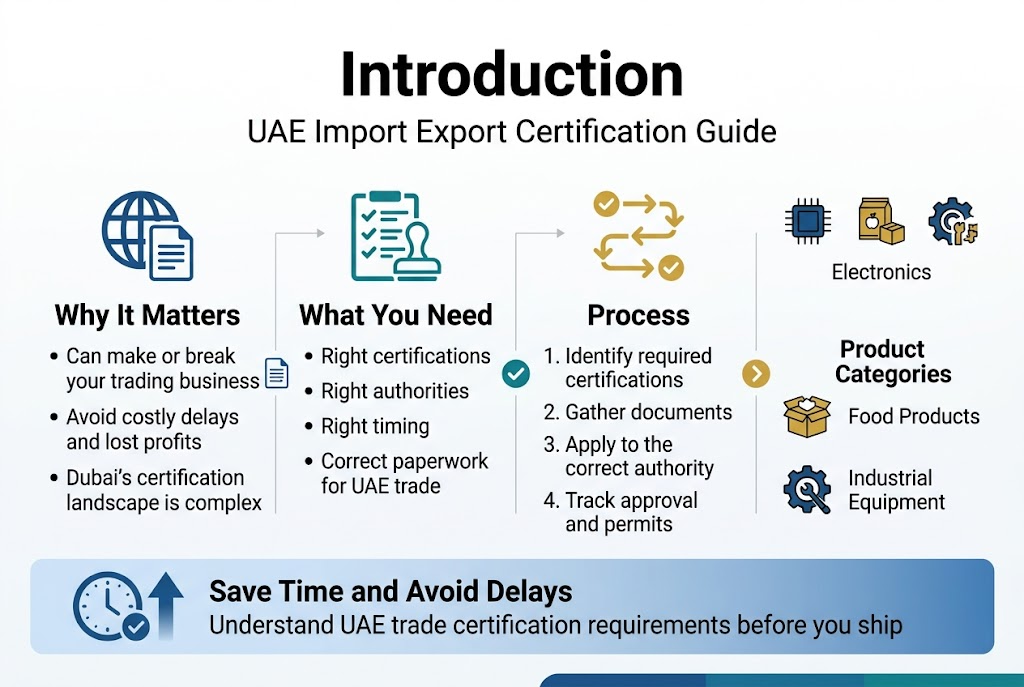
Navigating UAE import export certification can make or break your trading business in one of the world’s busiest commercial hubs. This comprehensive guide targets business owners, importers, exporters, and entrepreneurs who need to understand Dubai’s complex certification landscape without getting lost in bureaucratic maze.
Getting your products into or out of the UAE requires more than just paperwork—you need the right certifications from the right authorities at the right time. Many businesses lose thousands of dollars and months of delays because they don’t understand ESMA certification UAE requirements or miss critical steps in the UAE export permit process.
We’ll walk you through the complete UAE trade certification requirements, breaking down exactly which documents you need and when you need them. You’ll discover the step-by-step certification application process that actually works, including insider tips that can cut your approval time in half. We’ll also cover the different types of certifications for various product categories, so you know exactly what applies to your business—whether you’re importing electronics, food products, or industrial equipment.
Understanding UAE Import/Export Certification Requirements
Essential Documents for International Trade Operations
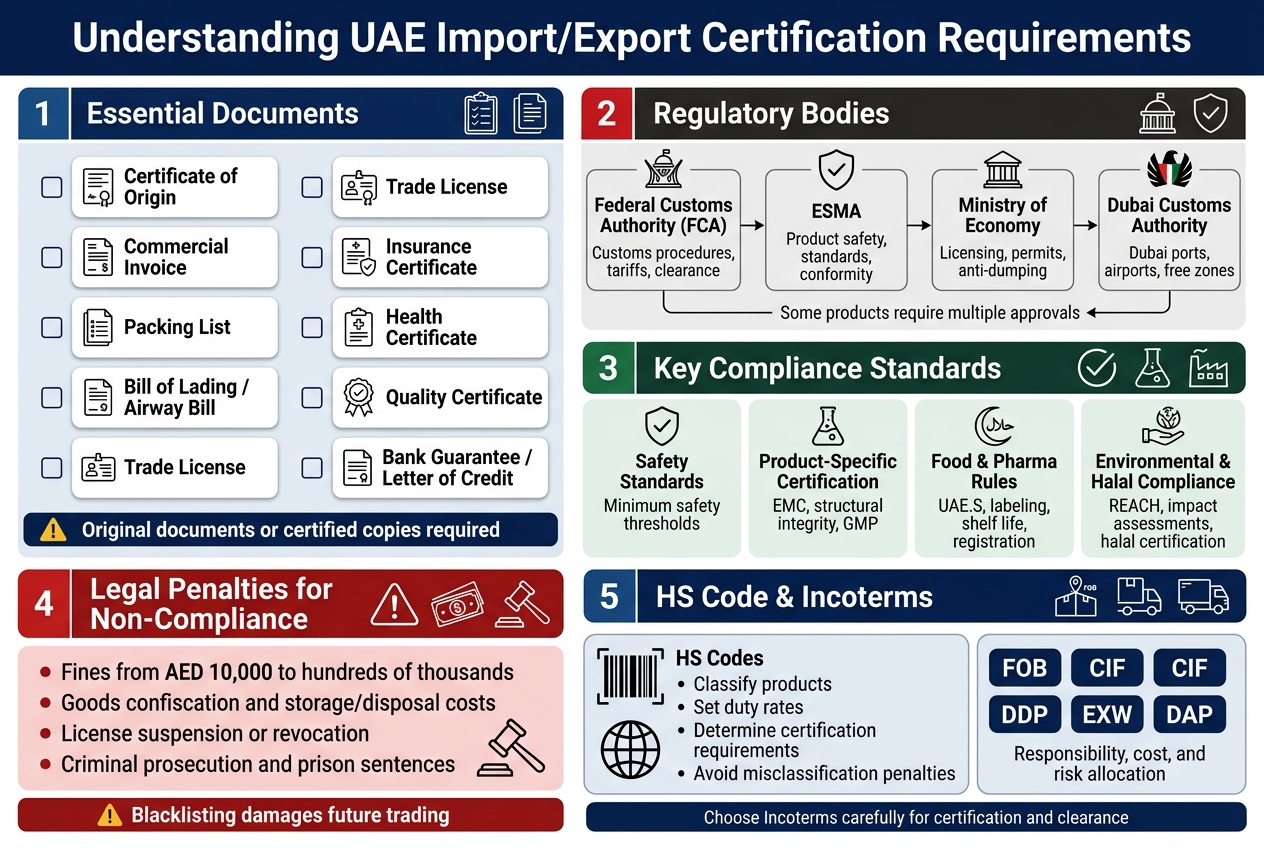
Starting your UAE import export journey requires specific documentation that customs authorities and regulatory bodies scrutinize carefully. The certificate of origin stands as the most critical document, proving your products’ manufacturing location and qualifying them for preferential trade agreements. Your commercial invoice must detail product descriptions, quantities, and values with absolute accuracy.
The packing list becomes your detailed inventory companion, specifying contents, weights, and dimensions for each shipment. Bill of lading or airway bill serves as your shipment receipt and contract of carriage. For UAE trade certification requirements, you’ll also need your trade license, which authorizes your business activities within the Emirates.
Insurance certificates protect your shipments during transit, while health certificates apply to food, pharmaceutical, and agricultural products. Quality certificates from recognized testing laboratories validate that your goods meet UAE product certification standards. Bank guarantees or letters of credit secure financial transactions between trading partners.
Digital copies won’t suffice – customs officials require original documents or certified copies. Keep multiple sets organized and readily accessible, as missing paperwork causes expensive delays at ports and free zones.
Regulatory Bodies and Their Specific Roles
Multiple government entities oversee different aspects of UAE’s import export landscape, each wielding specific authority over your certification process. The Federal Customs Authority (FCA) manages customs procedures, tariffs, and clearance protocols across all seven emirates. They’re your primary contact for UAE customs clearance certification and general trade compliance.
ESMA certification UAE falls under the Emirates Authority for Standardization and Metrology, which regulates product quality, safety standards, and conformity assessments. ESMA’s scope covers electronics, automotive parts, construction materials, and consumer goods entering UAE markets.
The Ministry of Economy handles commercial activities, business licensing, and anti-dumping measures. They issue import/export permits for controlled goods and maintain the national commercial registry. Dubai Customs Authority specifically manages Dubai’s ports, airports, and free zones, offering streamlined processes for Dubai import license applications.
Each regulatory body maintains distinct requirements, timelines, and fee structures. Understanding which authority governs your specific products prevents application delays and ensures compliance with the correct regulations. Some products require approval from multiple agencies, creating a sequential approval process that demands careful coordination.
Key Compliance Standards You Must Meet
UAE product certification standards vary significantly across different categories, making compliance a complex but manageable process. Safety standards represent the baseline requirement – all products must meet minimum safety thresholds to protect consumers and the environment. Electronic goods need EMC (Electromagnetic Compatibility) certification, while construction materials require structural integrity verification.
Quality management systems like ISO 9001 often become prerequisites for certain industries. Food products must comply with UAE.S (UAE Standards) specifications covering nutritional labeling, shelf life, and ingredient transparency. Pharmaceutical imports demand Good Manufacturing Practice (GMP) certification alongside drug registration with the Ministry of Health.
Environmental compliance grows increasingly important, particularly for chemicals, automotive products, and industrial equipment. Your products might need REACH compliance certificates or environmental impact assessments depending on their classification.
Halal certification applies to food, cosmetics, and pharmaceutical products, requiring verification from recognized Islamic certification bodies. Some free zones maintain additional standards beyond federal requirements, creating layered compliance obligations for businesses operating within these zones.
Legal Penalties for Non-Compliance
Violating UAE import export certification requirements triggers serious financial and legal consequences that can devastate your business operations. Fines start from AED 10,000 for minor documentation errors and escalate to hundreds of thousands of dirhams for major compliance failures. Repeated violations result in trading license suspension or permanent revocation.
Customs authorities possess broad powers to confiscate non-compliant goods, leaving importers responsible for storage fees, disposal costs, and potential criminal charges. Product recalls become mandatory when safety violations emerge after market entry, forcing businesses to bear enormous financial burdens.
Criminal prosecution awaits those who submit fraudulent documentation or attempt to circumvent certification requirements. Prison sentences range from six months to several years, particularly for violations involving controlled substances, counterfeit goods, or dangerous materials.
Business reputation damage often exceeds immediate financial penalties. Being blacklisted by customs authorities restricts future trading activities and damages relationships with suppliers and customers. Recovery from compliance violations requires extensive documentation, legal proceedings, and often complete restructuring of business operations.
HS Code And Incoterms
Harmonized System (HS) codes form the backbone of international trade classification, determining which UAE trade compliance requirements apply to your specific products. These six-digit numerical codes classify every tradeable product worldwide, with UAE customs adding additional digits for local classification refinements.
Accurate HS code identification directly impacts your duty rates, certification requirements, and clearance procedures. Electronics typically fall under Chapter 85, while textiles occupy Chapters 50-63. Misclassification leads to incorrect duty assessments and potential penalties during customs audits.
Incoterms (International Commercial Terms) define the responsibilities and risks between buyers and sellers during international transactions. FOB (Free on Board) places shipping responsibility on buyers once goods leave the seller’s facility, while CIF (Cost, Insurance, and Freight) makes sellers responsible until goods reach the destination port.
DDP (Delivered Duty Paid) terms require sellers to handle all UAE import export certification processes, including customs clearance and duty payments. EXW (Ex Works) places maximum responsibility on buyers, who must arrange transportation and handle all import procedures independently.
Choosing appropriate Incoterms affects your certification timeline, cost allocation, and risk management strategies. Experienced traders often prefer DAP (Delivered at Place) terms for UAE shipments, balancing responsibility sharing while maintaining control over critical certification processes.
Step-by-Step Certification Application Process
Pre-Application Documentation Checklist
Getting your UAE import export certification starts with gathering the right paperwork. Missing documents can delay your application by weeks or even months, so let’s cover what you actually need.
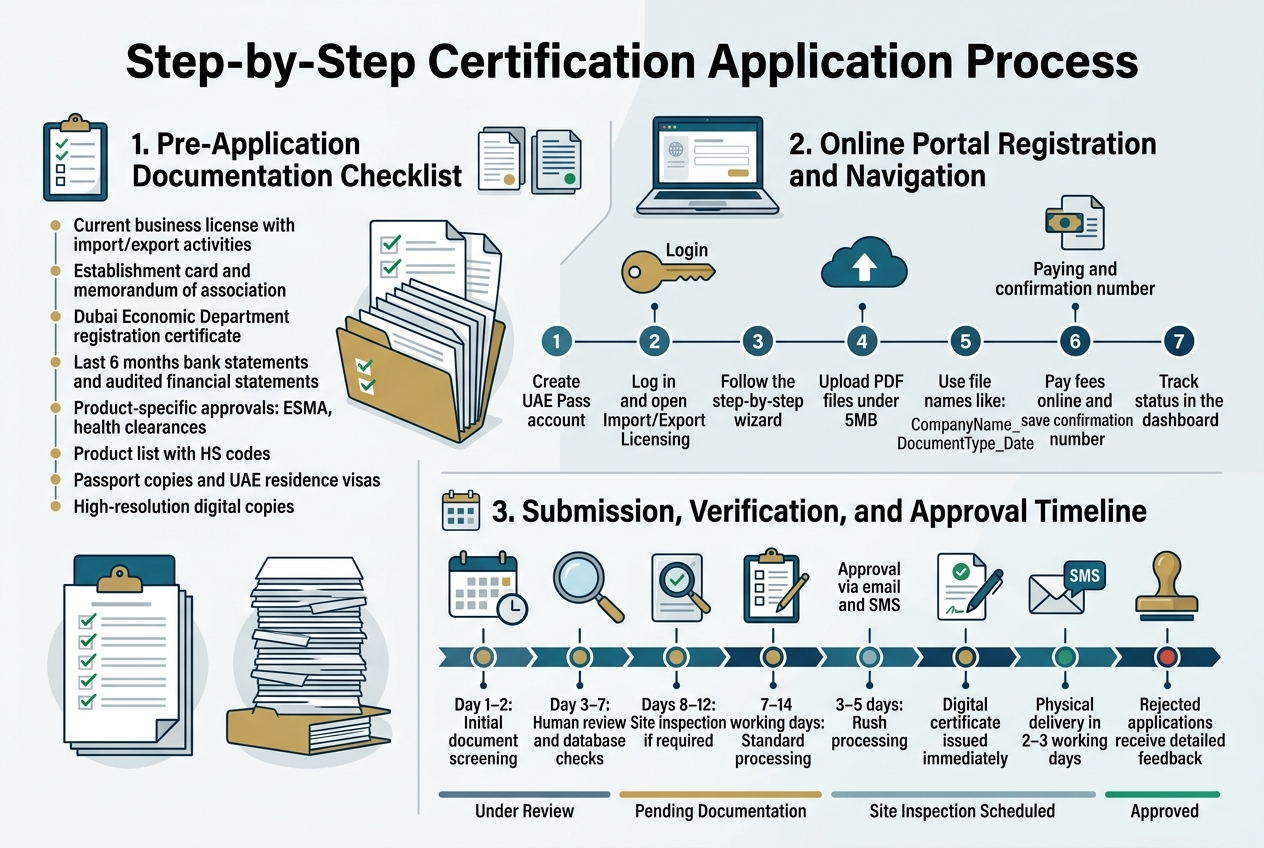
Your business license takes priority – make sure it’s current and clearly shows your company’s trading activities. The UAE trade certification requirements specify that this license must explicitly mention import/export operations. If your current license doesn’t cover this, you’ll need to amend it first.
Next, prepare your establishment card and memorandum of association. These documents prove your company’s legal standing in the UAE. For Dubai import license applications, you’ll also need your Dubai Economic Department registration certificate.
Bank statements from the last six months show financial stability. The authorities want proof you can handle the financial responsibilities that come with international trade. Include your company’s audited financial statements if available.
Product-specific documentation varies by category. Electronics need ESMA certification UAE approval, while food items require health department clearances. Create a detailed product list with HS codes – this prevents confusion during the verification process.
Don’t forget passport copies of all partners and authorized signatories, along with their UAE residence visas. The application system cross-references these details with immigration records.
Keep digital copies in high resolution. Blurry documents get rejected automatically, forcing you to restart the submission process.
Online Portal Registration and Navigation
The UAE’s digital certification system streamlines most applications through centralized portals. Each emirate has specific platforms – Dubai uses DED Trader, while federal applications go through the UAE Pass system.
Start by creating your UAE Pass account if you don’t have one. This digital identity serves as your gateway to most government services. The registration process takes about 15 minutes and requires your Emirates ID.
Once logged in, locate the trade licensing section. The interface can feel overwhelming initially, but the main menu organizes services by business type. Look for “Import/Export Licensing” under commercial activities.
The portal guides you through a step-by-step wizard. Each screen explains required information and provides help tooltips. Save your progress regularly – sessions timeout after 30 minutes of inactivity.
Upload documents in the specified formats only. The system accepts PDF files under 5MB for most documents. Larger files need compression before upload. Name your files clearly using the suggested format: “CompanyName_DocumentType_Date.”
Payment integration allows online fee settlement using credit cards or bank transfers. Keep your payment confirmation number – you’ll need it for tracking your application status.
The dashboard shows real-time application progress with estimated processing times for each stage.
Document Submission and Verification Timeline
After submitting your UAE export permit process application, the verification timeline typically spans 7-14 working days for standard applications. Rush processing reduces this to 3-5 days but costs significantly more.
Day 1-2 covers initial document screening. Automated systems check file formats, completeness, and basic compliance criteria. Applications with missing documents get flagged immediately with specific feedback on what needs correction.
Days 3-7 involve detailed human review. Certification officers verify document authenticity and cross-check information with relevant databases. They may contact your company directly for clarification on specific points.
Emirates Authority for Standardization certification reviews happen parallel to trade license verification. Product categories requiring ESMA approval add 5-10 days to the overall timeline.
Site inspections occur for certain business types, typically scheduled during days 8-12. Inspectors verify your physical premises match the submitted documentation. They check storage facilities, quality control measures, and staff qualifications.
Final approval notification arrives via email and SMS. The system generates your digital certificate immediately upon approval. Physical certificate delivery takes an additional 2-3 working days within the UAE.
Track your application status through the online portal. Status updates include “Under Review,” “Pending Documentation,” “Site Inspection Scheduled,” and “Approved.” Email alerts keep you informed of major milestone changes without constant portal checking.
Rejected applications include detailed feedback explaining deficiencies. Most rejections result from incomplete documentation rather than fundamental business issues.
Types of Certifications for Different Product Categories
Food and Agricultural Product Certifications
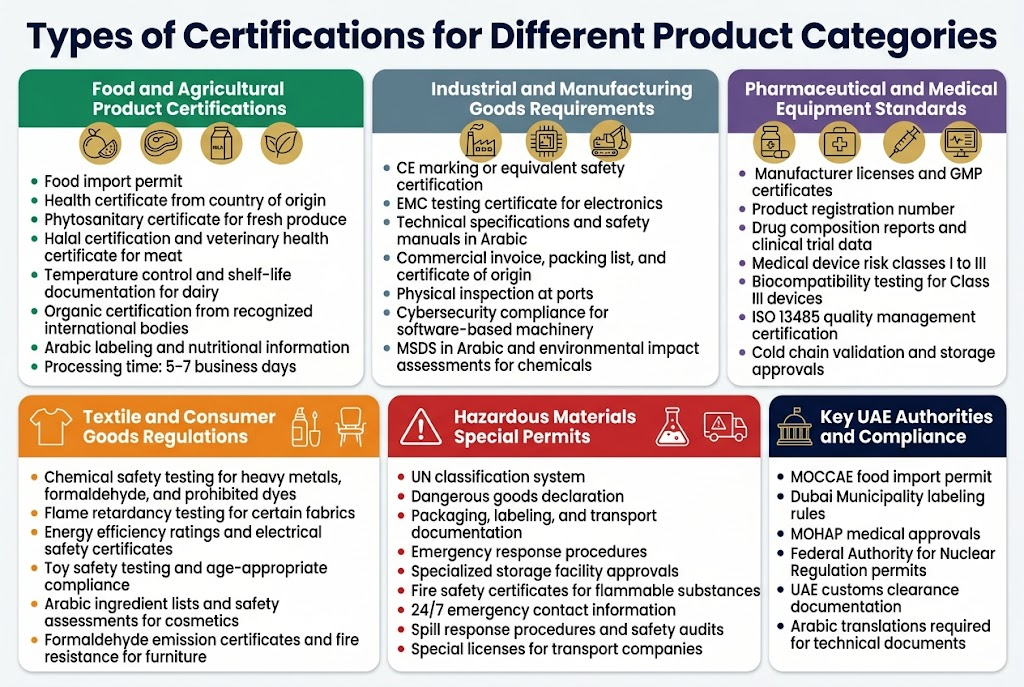
Food and agricultural imports into the UAE require strict adherence to ESMA certification standards and Emirates Authority for Standardization requirements. Fresh produce, processed foods, and agricultural commodities must obtain proper health certificates from recognized authorities in the country of origin. The UAE Food Control Authority mandates specific documentation including certificate of origin, health certificates, and laboratory analysis reports confirming compliance with UAE standards.
Halal certification becomes essential for meat products and processed foods containing animal derivatives. The Emirates International Accreditation Centre (EIAC) recognizes specific halal certification bodies worldwide. Organic products need additional organic certification from approved international bodies like USDA Organic or EU Organic standards.
Temperature-sensitive products like dairy and frozen foods require cold chain documentation and proper storage facility approvals. Importers must register with local municipalities and obtain food import permits before initiating any shipments.
Industrial and Manufacturing Goods Requirements
Industrial equipment and manufacturing goods entering Dubai ports must comply with UAE technical regulations and safety standards. The Emirates Authority for Standardization oversees conformity assessments for electrical equipment, machinery, and industrial tools. Most industrial products require a Certificate of Conformity (CoC) issued by accredited testing laboratories.
Electrical appliances and electronic devices need ECAS (Emirates Conformity Assessment Scheme) certification. This covers safety requirements, electromagnetic compatibility, and energy efficiency standards. Machinery imports often require CE marking or equivalent international certifications plus additional UAE-specific approvals.
Construction materials like steel, cement, and building components must meet UAE Building Code requirements. The Dubai Municipality and other local authorities maintain strict quality standards for construction-related imports. Third-party inspection certificates and material test reports become mandatory for most building materials.
Pharmaceutical and Medical Equipment Standards
Pharmaceutical products face the most stringent UAE import export certification requirements. The Ministry of Health and Prevention (MoHAP) controls all pharmaceutical imports through its drug registration system. Every pharmaceutical product needs drug registration approval before import, which can take several months to complete.
Medical devices require classification based on risk levels. Class I devices need basic registration, while Class II and III devices undergo more comprehensive evaluation processes. GMP (Good Manufacturing Practice) certificates from the manufacturing facility become mandatory for pharmaceutical imports.
Active pharmaceutical ingredients (APIs) require special handling permits and documentation. Cold chain pharmaceuticals need additional temperature monitoring certificates and specialized storage approvals. Clinical trial materials have separate import pathways with expedited processing options.
Textile and Consumer Goods Regulations
Textile imports must comply with UAE product certification standards covering fabric composition, colorfastness, and safety requirements. Children’s clothing faces additional safety testing requirements including testing for harmful chemicals and choking hazards. The ESMA certification process covers most textile products entering UAE markets.
Consumer electronics require ECAS approval and energy efficiency labeling. Toys and children’s products need comprehensive safety testing covering mechanical, chemical, and flammability requirements. Cosmetics and personal care products require registration with relevant authorities and compliance with GCC cosmetic regulations.
Footwear imports need material composition certificates and safety compliance documentation. Luxury goods may require additional authenticity certificates to prevent counterfeit products from entering the market.
Hazardous Materials Special Permits
Dangerous goods and hazardous materials require specialized UAE trade compliance requirements and special import permits. The UAE Civil Aviation Authority regulates air transport of dangerous goods, while Dubai Ports Authority manages sea freight hazardous materials. Classification according to UN dangerous goods categories becomes essential.
Chemical imports need Material Safety Data Sheets (MSDS) in Arabic and English, plus proper hazard classification certificates. Radioactive materials require special licenses from the Federal Authority for Nuclear Regulation. Explosives and ammunition need permits from UAE Armed Forces authorities.
Waste materials for recycling require environmental permits and waste import licenses. Batteries containing lithium or other hazardous substances need special handling documentation and transport certifications. Regular inspections and compliance audits ensure ongoing adherence to safety standards.
Cost Breakdown and Fee Structure Analysis
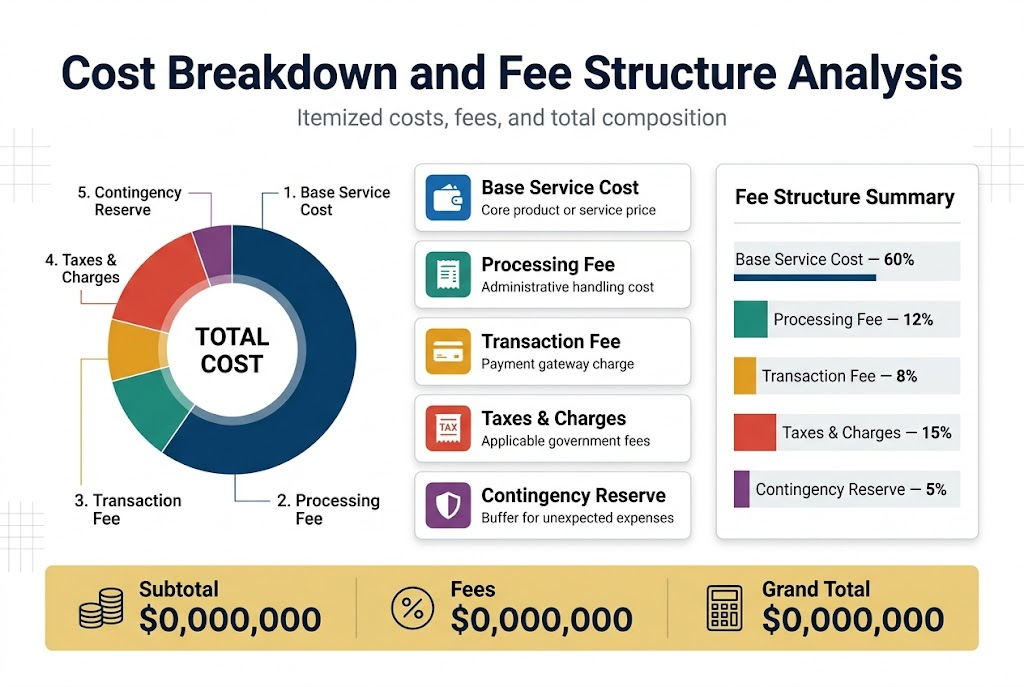
Government Fee Schedule by Product Type
The UAE government charges different certification fees based on your product category and the specific authority handling your application. ESMA certification UAE fees typically range from AED 500 to AED 5,000 for standard consumer products, while specialized items like medical devices or chemicals can cost up to AED 15,000.
Here’s a breakdown of the major fee categories:
| Product Category | Authority | Base Fee Range (AED) |
|---|---|---|
| Electronics | ESMA | 1,500 – 3,500 |
| Food Products | FSIS | 800 – 2,500 |
| Chemicals | ESMA | 2,000 – 15,000 |
| Medical Devices | MOH | 3,000 – 12,000 |
| Textiles | ESMA | 500 – 1,800 |
| Construction Materials | ESMA | 1,200 – 4,000 |
UAE export permit process fees are generally lower, ranging from AED 200 to AED 1,500, depending on the destination country and product type. Dubai import license application fees add another layer, with basic trade licenses starting at AED 15,000 annually.
The Emirates Authority for Standardization certification requires additional testing fees for each product variant. If you’re importing 10 different models of the same product, you’ll pay separate fees for each model that requires individual testing.
Third-Party Inspection and Testing Costs
Beyond government fees, UAE trade certification requirements often mandate third-party testing and inspection services. These costs can quickly add up and often exceed the official government fees.
Laboratory testing expenses vary significantly by product complexity:
-
Basic safety testing: AED 2,000 – AED 8,000 per product
-
EMC testing for electronics: AED 5,000 – AED 15,000
-
Chemical analysis: AED 3,000 – AED 20,000
-
Performance testing: AED 4,000 – AED 25,000
Factory inspection costs for manufacturers outside the UAE typically range from AED 8,000 to AED 25,000, including travel expenses for inspectors. Pre-shipment inspection services charge between AED 1,500 and AED 5,000 per shipment, depending on cargo value and complexity.
Many businesses overlook the cost of retesting when products fail initial assessments. Budget an additional 30-50% of your initial testing budget for potential retests and modifications. UAE customs clearance certification may require expedited testing services, which cost 50-100% more than standard timelines.
Documentation preparation by certified consultants ranges from AED 3,000 to AED 15,000, depending on product complexity and the number of documents required.
Hidden Expenses to Budget For
Several unexpected costs catch importers and exporters off guard during the UAE trade compliance requirements process. Translation services for technical documents cost AED 150-300 per page for certified translations into Arabic, and most certifications require multiple technical manuals and specifications.
Storage fees accumulate quickly when products are held for extended testing periods. Dubai free zone warehouses charge AED 5-15 per cubic meter per day, which adds up over the typical 2-4 week testing period. Rush processing fees can double your government fees if you need certifications urgently.
Legal consultation becomes necessary when dealing with complex regulatory requirements or appeals. Expect to pay AED 800-1,500 per hour for specialized trade law attorneys familiar with UAE product certification standards.
Additional hidden costs include:
-
Courier services for document submission: AED 200-500 per delivery
-
Bank guarantee fees for certain certifications: 1-3% of total shipment value
-
Certificate renewal reminders and management: AED 2,000-5,000 annually
-
Staff training on compliance procedures: AED 5,000-15,000 per session
-
Software for tracking certification status: AED 3,000-10,000 annually
Currency fluctuation can impact your budget if you’re paying fees over several months. The dirham’s stability helps, but international testing lab fees paid in other currencies can vary by 5-10% during the certification process.
Plan for at least 20-30% buffer above your calculated costs to cover these hidden expenses and ensure smooth processing of your import export license Dubai applications.
Common Certification Mistakes and How to Avoid Them
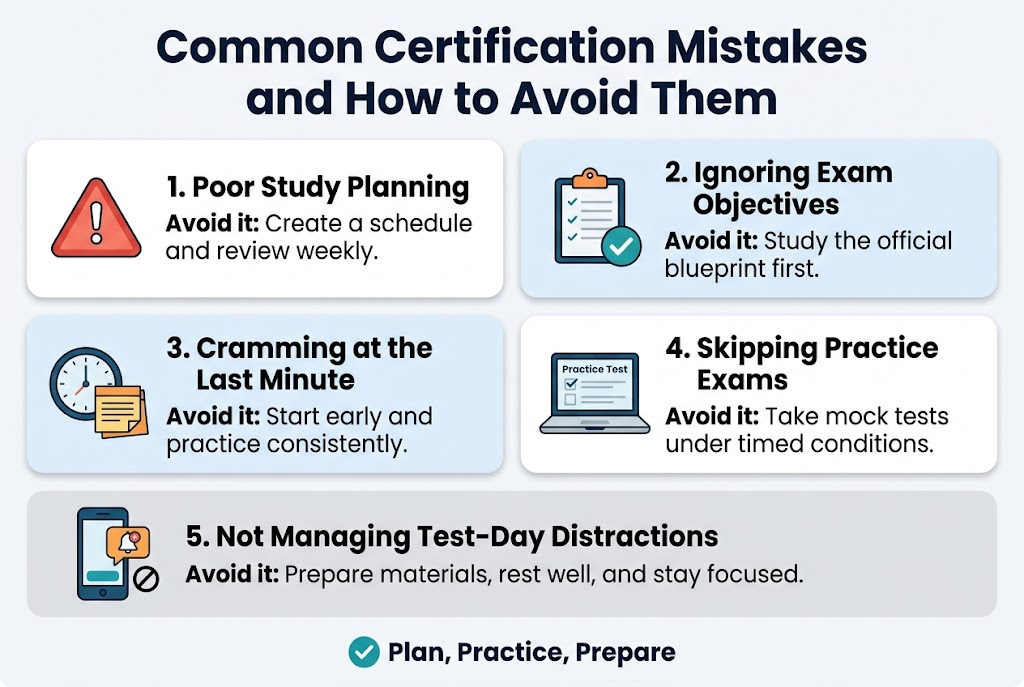
Documentation Errors That Cause Delays
Poor documentation stands as the biggest culprit behind delayed UAE import export certification approvals. Missing certificates of origin, incomplete commercial invoices, and outdated company registration documents can push your application back weeks or even months.
The most frequent mistake involves submitting documents in languages other than Arabic or English without proper translation. UAE customs authorities require all supporting documents to be officially translated by certified translators. Many businesses also fail to provide attested copies of their documents, which must be notarized by relevant government bodies.
Critical documentation checklist:
-
Valid trade license with correct business activities listed
-
Updated Memorandum of Association
-
Recent bank statements (not older than three months)
-
Properly attested certificates of origin
-
Complete product specifications and technical data sheets
-
Insurance certificates covering the shipment value
Another common error happens when companies submit photocopies instead of original documents or certified copies. UAE authorities specifically require original documents for verification, and failing to provide these creates immediate processing delays.
Incorrect Product Classification Issues
Product misclassification creates serious problems for UAE trade certification requirements. Many businesses struggle with the HS (Harmonized System) code classification, which directly impacts duty rates, regulatory requirements, and certification pathways.
Electronics importers frequently face challenges when classifying multi-function devices. A smartphone with camera capabilities might require different certifications compared to a basic communication device. Similarly, food products containing multiple ingredients often get misclassified, leading to incorrect ESMA certification UAE applications.
Common classification mistakes:
-
Confusing similar product categories
-
Using outdated HS codes from previous shipments
-
Ignoring dual-use product regulations
-
Missing country-specific classification requirements
Smart importers work with customs brokers who specialize in their product categories. These professionals understand the nuances of UAE product classification and can guide you through the Emirates Authority for Standardization certification requirements specific to your goods.
Missing Regulatory Approvals
Skipping mandatory regulatory approvals creates the most expensive certification mistakes. Different product categories require specific approvals from various UAE government bodies before you can complete your Dubai import license application.
Medical devices need approval from the Ministry of Health, while telecommunications equipment requires TDRA certification. Food products must pass through FEWA approval processes, and automotive parts need Road Transport Authority clearance. Missing any of these approvals means starting your certification process from scratch.
Key regulatory bodies and their requirements:
| Product Category | Regulatory Body | Approval Type |
|---|---|---|
| Food Products | FEWA | Food Safety Certificate |
| Medical Devices | MOH | Medical Device Registration |
| Telecom Equipment | TDRA | Type Approval Certificate |
| Automotive Parts | RTA | Compliance Certificate |
| Chemicals | EHS | Safety Data Sheets |
Many businesses discover missing approvals only after their shipments reach UAE ports, resulting in storage fees, demurrage charges, and potential goods rejection. Plan your regulatory approvals at least 90 days before your intended shipping date to avoid these costly surprises.
The UAE export permit process also requires specific regulatory clearances depending on your product category. Export-controlled items need additional approvals from relevant ministries, while cultural artifacts require heritage department clearances.
Fast-Track Strategies for Quicker Approval
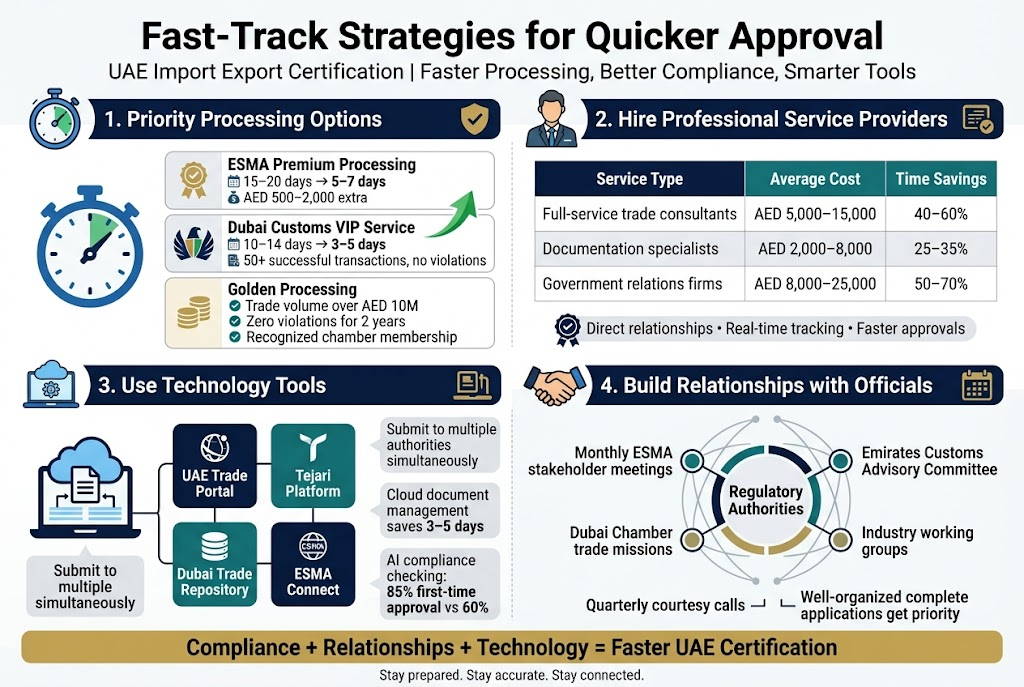
Priority Processing Options Available
Several government authorities in the UAE offer expedited processing services for UAE import export certification applications. The Emirates Authority for Standardization and Metrology (ESMA) provides premium processing tracks that can reduce standard waiting times from 15-20 business days to just 5-7 days for an additional fee ranging from AED 500 to AED 2,000 depending on the certification type.
Dubai Customs operates a VIP service channel for established traders who maintain good compliance records. This service guarantees Dubai import license application processing within 3-5 business days instead of the typical 10-14 days. To qualify, companies must have completed at least 50 successful import/export transactions without violations in the preceding 12 months.
The Department of Economic Development across various emirates offers “Golden Processing” for businesses that meet specific criteria:
-
Annual trade volume exceeding AED 10 million
-
Zero compliance violations in the past two years
-
Membership in recognized business councils or chambers
ESMA certification UAE applications can also benefit from the “Green Channel” program, which pre-approves documentation from certified testing laboratories, reducing review time by up to 60%.
Professional Service Providers Worth Hiring
Partnering with established trade compliance consultants can dramatically accelerate your UAE export permit process. Top-tier service providers maintain direct relationships with regulatory bodies and understand the nuances of each authority’s requirements.
Recommended Service Categories:
| Service Type | Average Cost | Time Savings |
|---|---|---|
| Full-service trade consultants | AED 5,000-15,000 | 40-60% |
| Documentation specialists | AED 2,000-8,000 | 25-35% |
| Government relations firms | AED 8,000-25,000 | 50-70% |
Leading consulting firms like Al Tamimi & Company, BSA Ahmad Bin Hezeem & Associates, and Aurifer maintain dedicated trade certification departments with former government officials who know exactly which documents to prioritize and how to present applications for fastest approval.
These professionals often have access to online portals that regular applicants don’t, allowing them to track application status in real-time and address potential issues before they become delays. Their established relationships mean your application gets attention from the right people at the right time.
Technology Tools That Streamline Applications
Digital platforms have revolutionized the UAE trade certification requirements landscape. The UAE Trade Portal consolidates multiple government services into a single interface, allowing businesses to submit applications to different authorities simultaneously rather than sequentially.
Key Digital Solutions:
-
Tejari Platform: Enables bulk document submission and automated compliance checks
-
Dubai Trade Repository: Stores commonly used certificates and permits for quick reuse
-
ESMA Connect: Direct integration with testing laboratory results and product databases
-
Smart Trader App: Mobile application for real-time status updates and document submission
Cloud-based document management systems like DocuSign integration with UAE government portals eliminate the need for physical document submission in many cases. This alone can save 3-5 days from the typical UAE customs clearance certification timeline.
AI-powered compliance checking tools scan your documentation against current regulations before submission, catching errors that would otherwise result in rejection and resubmission delays. Companies using these tools report 85% first-time approval rates compared to the standard 60%.
Relationship Building with Key Officials
Building genuine professional relationships with key personnel at regulatory authorities pays significant dividends in processing speed and problem resolution. Regular participation in UAE trade conferences, chamber of commerce events, and industry associations creates natural networking opportunities.
Effective Relationship Building Strategies:
-
Attend monthly ESMA stakeholder meetings
-
Join Emirates Customs Advisory Committee if eligible
-
Participate in Dubai Chamber trade missions
-
Volunteer for industry working groups on regulatory updates
Many successful importers and exporters schedule quarterly courtesy calls with their assigned case officers at various authorities. These aren’t sales meetings but rather check-ins to discuss industry trends, upcoming regulation changes, and process improvements.
Government officials appreciate businesses that demonstrate long-term commitment to compliance rather than just transactional interactions. Companies that proactively report minor issues or suggest process improvements often find their future applications receive more favorable attention.
UAE product certification standards evolve regularly, and maintaining direct communication channels with regulatory bodies ensures you learn about changes before they’re publicly announced, giving you a competitive advantage in preparation time.
Professional courtesy goes both ways – authorities remember companies that submit well-organized applications with complete documentation, and they tend to prioritize these applicants when workloads are heavy.
Maintaining Compliance After Initial Certification
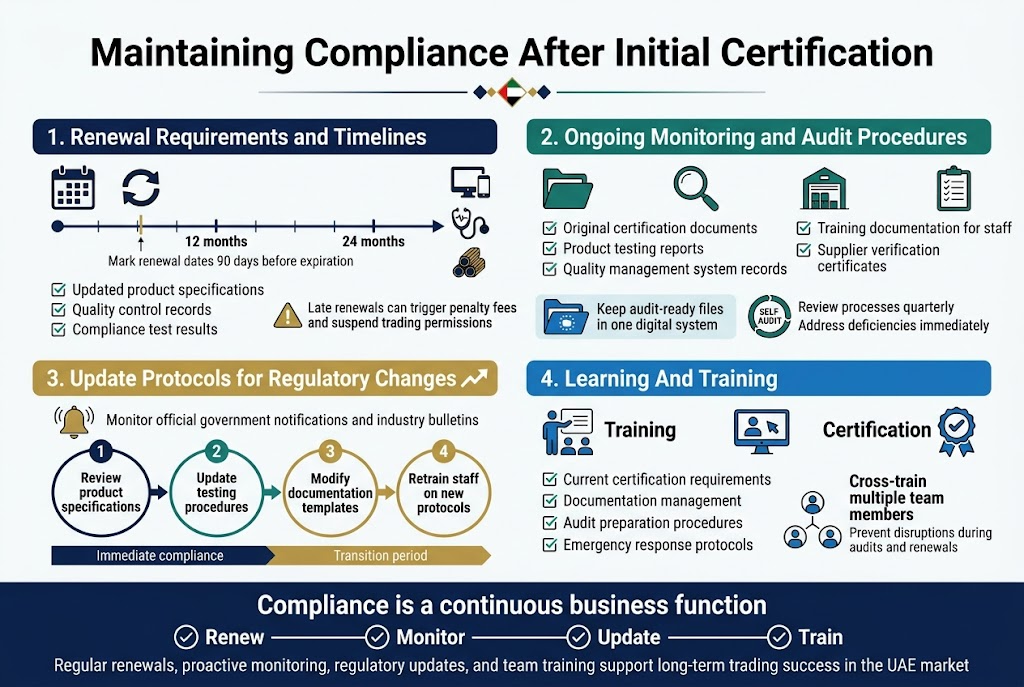
Renewal Requirements and Timelines
Your UAE import export certification journey doesn’t end with initial approval. Most certifications require regular renewals to stay valid, and missing these deadlines can seriously disrupt your business operations.
ESMA certification UAE typically requires annual renewals, though some product categories may have different timelines. Electronics and medical devices often need renewal every 12 months, while construction materials might extend to 24 months. Mark these dates in your business calendar at least 90 days before expiration.
The renewal process demands updated documentation, including current product specifications, quality control records, and compliance test results. Start gathering these materials at least 60 days early. Some businesses maintain dedicated compliance files throughout the year, making renewals much smoother.
Late renewals often trigger penalty fees and can temporarily suspend your trading permissions. Plan your renewal budget alongside other business expenses to avoid cash flow surprises.
Ongoing Monitoring and Audit Procedures
UAE trade compliance requirements include random audits and spot checks by regulatory authorities. These inspections can happen at your facilities, warehouses, or during customs clearance processes.
Keep your documentation organized and easily accessible. Auditors typically request:
-
Original certification documents
-
Product testing reports
-
Quality management system records
-
Training documentation for staff
-
Supplier verification certificates
Digital document management systems work well for quick retrieval during inspections. Many successful importers create audit-ready files that contain all necessary paperwork in one location.
Regular self-audits help identify potential compliance gaps before official inspections. Review your processes quarterly and address any deficiencies immediately. This proactive approach demonstrates your commitment to UAE product certification standards.
Update Protocols for Regulatory Changes
UAE trade certification requirements evolve regularly as international standards change and new regulations emerge. Staying current requires active monitoring of regulatory updates.
Subscribe to official government notifications and industry bulletins. The Emirates Authority for Standardization certification department regularly publishes updates about new requirements and modified procedures.
When regulations change, assess how they affect your current certifications:
-
Review your product specifications against new standards
-
Update testing procedures if required
-
Modify documentation templates
-
Retrain staff on new protocols
Create a regulatory change management process that includes timeline assessments, cost evaluations, and implementation schedules. Some changes require immediate compliance, while others offer transition periods.
Learning And Training
Your team’s knowledge directly impacts compliance success. Regular training keeps everyone updated on Dubai import license application procedures and changing requirements.
Develop training programs covering:
-
Current certification requirements
-
Documentation management
-
Audit preparation procedures
-
Emergency response protocols
Many certification bodies offer training workshops and webinars. These sessions provide valuable insights into best practices and common compliance challenges.
Cross-train multiple team members on critical processes. This redundancy prevents disruptions when key personnel are unavailable during audits or renewal periods.
Conclusion
Maintaining UAE customs clearance certification requires ongoing attention and systematic processes. Success comes from treating compliance as a continuous business function rather than a one-time task. Regular renewals, proactive monitoring, staying updated with regulatory changes, and investing in team training create a solid foundation for long-term trading success in the UAE market.

Getting your UAE import/export certification doesn’t have to be overwhelming when you break it down into manageable steps. From understanding the basic requirements to navigating the application process, choosing the right certification type, and budgeting for associated costs, you now have a clear roadmap to follow. The key is avoiding common pitfalls like incomplete documentation or choosing the wrong certification category, which can delay your approval and increase expenses.
Once you secure your certification, remember that compliance is an ongoing responsibility, not a one-time achievement. Stay updated with regulatory changes, maintain proper documentation, and consider using fast-track options when time is critical for your business operations. Start your certification journey today by identifying which category your products fall under and gathering the necessary documents – your business expansion into the UAE market is just a certification away.