
1. Introduction
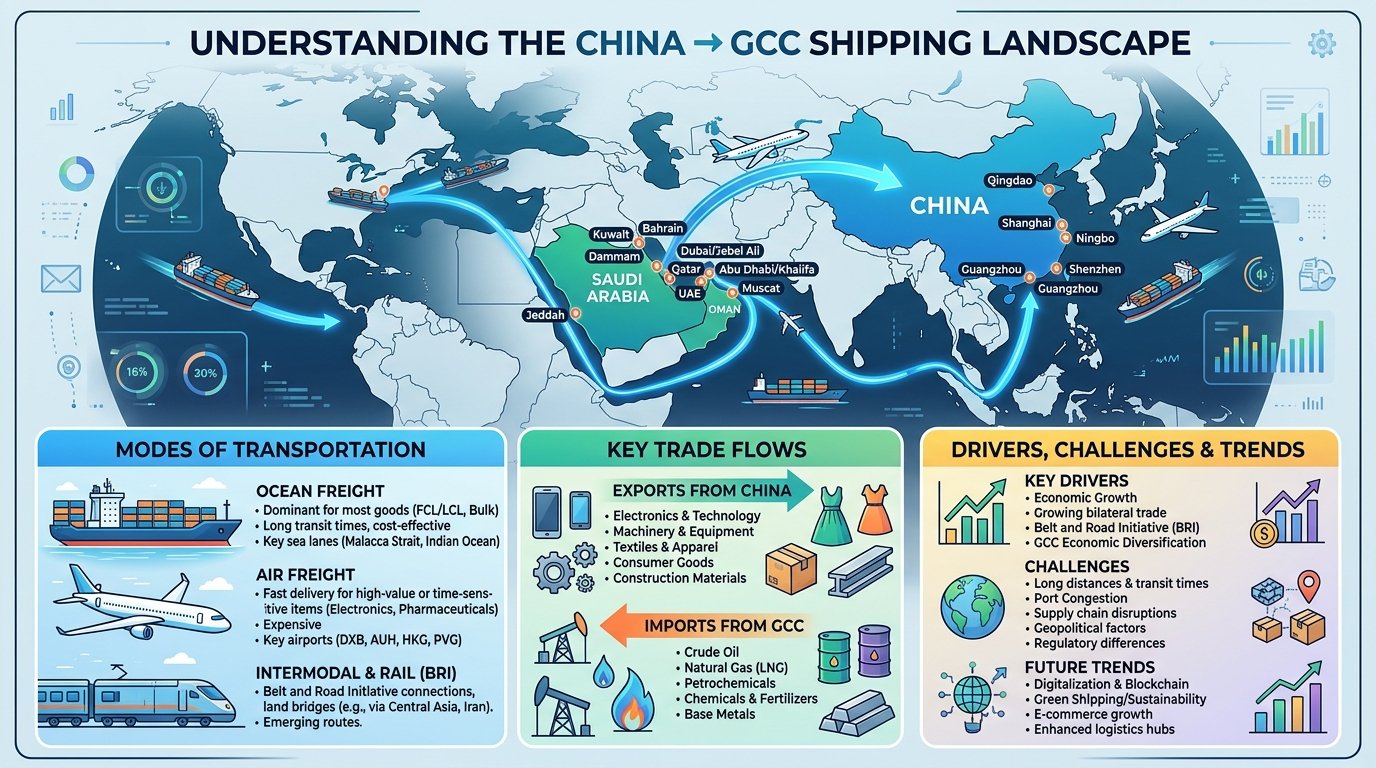
China is the world’s largest exporter, and GCC importers rely heavily on Chinese manufacturers for everything from electronics and machinery to apparel, furniture, and food ingredients.
For SMBs the biggest hurdles are:
- Understanding which port combinations deliver the best balance of cost and speed.
- Preparing the correct customs documentation to avoid holds.
- Choosing the right incoterm and shipping mode (sea vs. air).

Al Furqan Shipping & Logistics simplifies the journey with a single‑point, end‑to‑end solution that covers:
- Ocean & air freight
- Licensed GCC customs brokers
- Optional 3PL warehousing & last‑mile delivery
Follow this playbook and you’ll be able to ship from China to the GCC efficiently, affordably, and legally.
Quick win: Download the “China → GCC Shipping Checklist” at the bottom of this post and start planning your first cargo today.
2. Understanding the China → GCC Shipping Landscape
2.1 Key Trade Routes
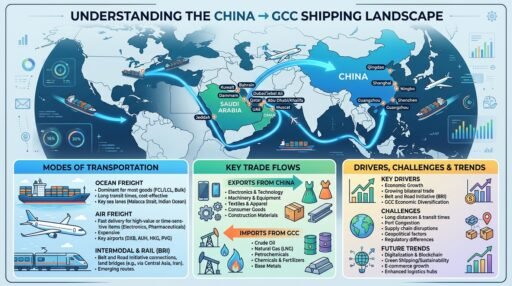
*Transit times are based on standard 30‑day ocean services (MAERSK, MSC, HMM) and scheduled freighter capacities for air. Port‑handling or customs delays are excluded.
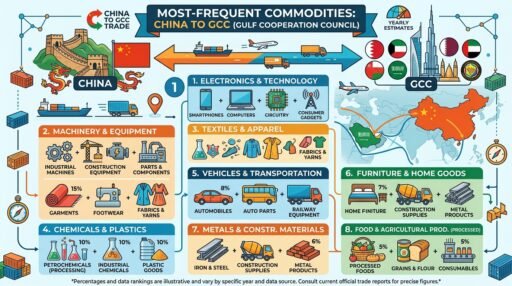
2.2 Most‑Frequent Commodities
2.3 Typical SMB Pain Points
- Confusing duty rates – GCC customs apply different percentages based on HS code and preferential agreements.
- Choosing between sea and air – SMBs often lack data to decide cost‑vs‑speed trade‑offs.
- Finding a reliable customs broker for the Gulf market.
- Managing small, irregular shipments – LCL vs. FCL uncertainty.
3. Choosing the Best Shipping Mode
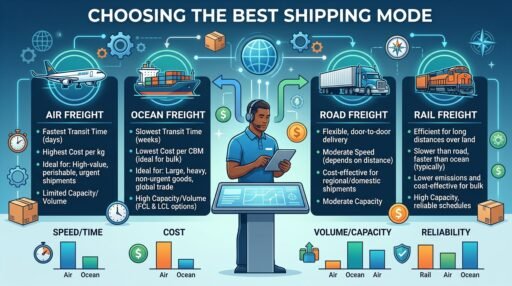
Pro tip: Use Al Furqan’s Smart‑Ship Calculator (available on your dashboard) to instantly see the cheapest mode for your exact weight, dimensions, and required delivery date.
4. Container Types & Booking Basics

4.1 FCL vs. LCL
4.2 Common Container Sizes for China‑GCC Trade
CTA: Try our Container Volume Calculator (link) to see which size matches your order before you request a quote.
5. Step‑by‑Step Booking Process for SMBs
All steps can be completed via the Al Furqan online portal or with a dedicated account manager.
6. Documentation Checklist
Pro tip: Keep a single cloud folder for all files and upload them directly in the booking form – we’ll pre‑populate the fields for you.
7. Customs Clearance – GCC Side

- Arrival Notice – Carrier notifies the destination port; Al Furqan’s broker receives the docket.
- Duty & VAT Calculation – Based on HS code, declared value, and any preferential treatment.
- Document Submission – Invoice, packing list, CO, licences submitted electronically to customs.
- Physical Inspection – Conducted only if cargo is flagged (common for food, chemicals, textiles).
- Release – Once duties & VAT are paid (Al Furqan can pre‑pay on your behalf), cargo is released to the chosen delivery point.
Speed‑Boost Tips
- Accurate HS classification – Use our HS‑Code lookup tool.
- Early CO & licences – Prevent hold‑up at inspection.
- Pre‑clearance programme – For repeat importers, Al Furqan can enrol you in the GCC Authorized Economic Operator (AEO) scheme.
- DDP (Delivered Duty Paid) – Let us handle duties; you only settle the final freight charge.
8. Cost‑Optimization Strategies
CTA: Want a personalised cost‑saving analysis? Request a Free Quote →
9. Real‑World Example
Case Study – “GulfTech Distributors” (UAE Electronics Reseller)
Takeaway: By consolidating shipments, leveraging duty‑reduction paperwork, and using bonded 3PL warehousing, GulfTech saved ≈ 18 % on landed cost while improving service levels.
10. Ready to Ship? Get Your Free Quote Today!
Shipping from China to the GCC doesn’t have to be a guess‑work process. With Al Furqan Shipping, you receive:
- Transparent, itemised pricing – no hidden surcharges.
- Licensed customs brokers – who manage all GCC entry formalities.
- Real‑time tracking – watch your container’s journey from Shanghai to Jebel Ali.
- Tailored cost‑saving recommendations – based on your exact shipment profile.
📥 Download the “China → GCC Shipping Checklist” now and start planning your next import.
11. FAQs
Question
How long does it take to ship a 40‑ft container from Shanghai to Jebel Ali?
Answer
Standard sea freight takes 23‑30 days. With a Fast‑Track vessel you can achieve 20‑23 days
Question
What is the difference between FCL and LCL when importing from China?
Answer
FCL reserves an entire container for your cargo, while LCL shares a container with other shippers. FCL is cost‑effective when you fill at least half the container; LCL works for smaller, irregular loads.”
Do I need an import licence for electronic gadgets from China?
Answer
Standard consumer electronics do not require a licence. However, dual‑use or high‑frequency devices may be subject to GCC electronic‑goods regulations. Our customs team will verify your HS code.
Question
Which Incoterm minimises risk for a first‑time importer?”,
Answer
DDP (Delivered Duty Paid) transfers all customs‑related risk to the seller/shipper. Al Furqan can arrange DDP so you receive the goods with only the final freight charge to settle.
Question Can I track my cargo from Shenzhen to Mina Zayed?
Answer
Yes. Once the vessel departs, the Al Furqan Dashboard provides real‑time AIS tracking, ETA, and SMS alerts.”
Question
What are the cheapest months to ship from China to the GCC?
Answer
Sea‑freight rates usually dip in **May–July** and **November–January** when global container demand is lower. Booking early in those windows can shave 4‑7 % off rates.
Question
Is insurance mandatory for shipments from China?
Answer
Insurance is not legally mandatory but highly recommended for high‑value cargo. Al Furqan can add it at a competitive rate during quote generation.”