
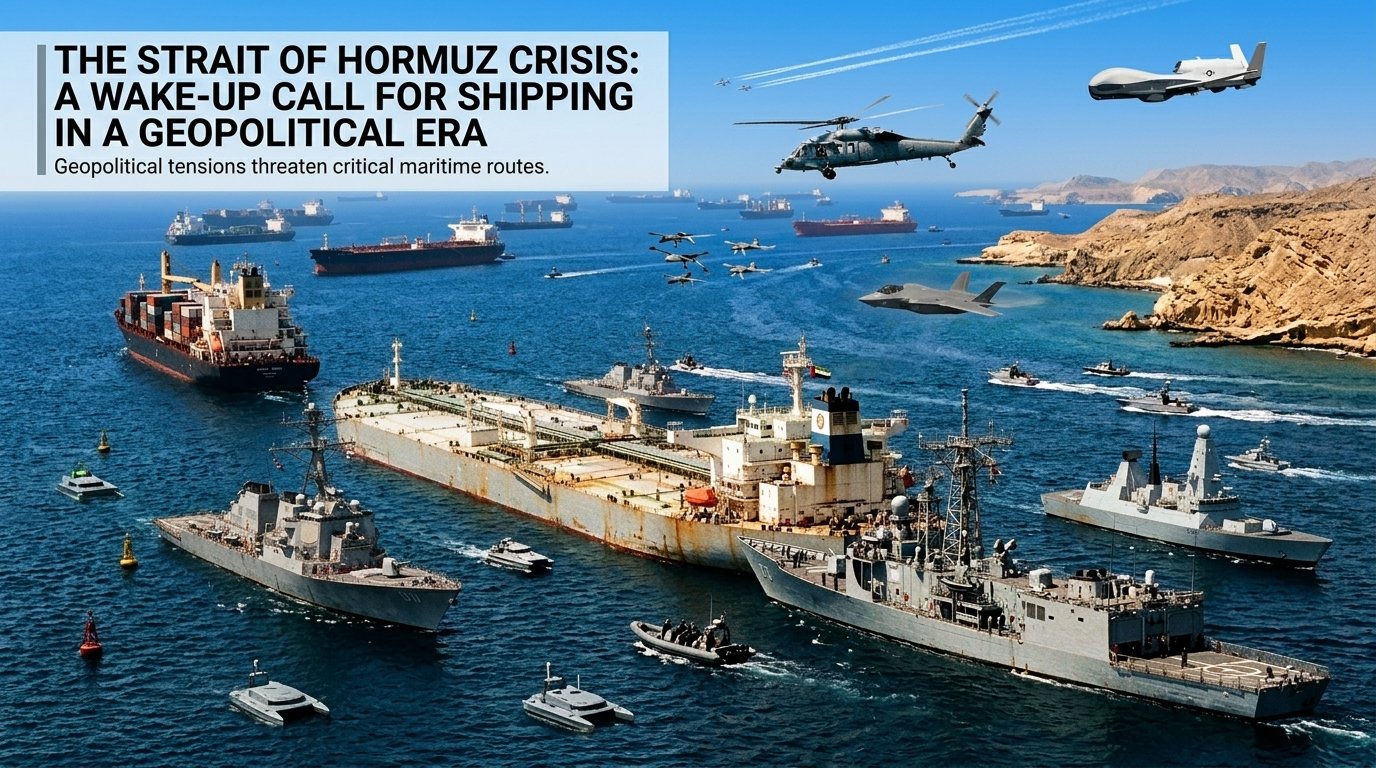
The Strait of Hormuz Crisis: A Wake-Up Call for Shipping in a Geopolitical Era
Welcome to this week’s deep dive into the evolving world of global shipping—a realm where the tides of politics are now steering the course far more than traditional concerns like speed or cost. If recent events around the Strait of Hormuz have caught your attention, you’re not alone. What’s unfolding is not just a shipping crisis; it’s a signal that most companies remain woefully unprepared for the rise of “political logistics.”
Today, we’ll explore how shipping decisions have transcended mere logistics and efficiency to become inherently geopolitical moves. To bring this into focus, consider China’s recent moves to restrict exports of critical materials—a prime example of how countries are harnessing supply chains as strategic tools.
Shipping Routes: Now a Chessboard of Political Moves
Gone are the days when shipping routes were planned simply by calculating the shortest or cheapest path. The Strait of Hormuz crisis made it painfully clear: control over key maritime chokepoints can quickly become leverage in international politics. This strategic waterway is a vital artery for global oil shipments, and any disruption sends ripples throughout the global economy.
But the Strait of Hormuz is just one piece of a much larger puzzle. Countries are increasingly using their control over supply chains as a form of economic retaliation or political pressure. China’s tightening grip on exports of rare earth elements and other critical materials is a textbook case. These materials are essential for everything from smartphones to electric vehicles and advanced military technology. By controlling these exports, China isn’t just influencing trade—it’s shaping international power dynamics.
Evidence in Action: China’s Expanding Toolkit
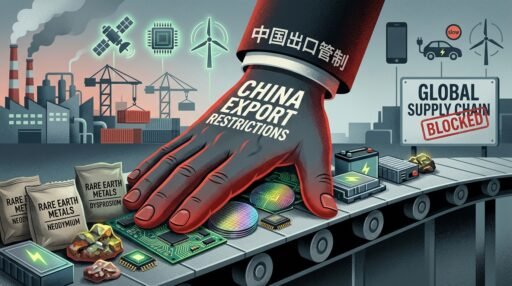
China isn’t acting in isolation; it’s actively expanding its arsenal of tools to control supply chains and respond economically to political challenges. This shift highlights a crucial insight: logistics is no longer just a back-end function of commerce. It’s a frontline arena where geopolitical strategies play out.
For companies still operating under the assumption that efficiency and cost are the primary factors shaping their shipping decisions, the reality check is harsh. Political considerations—such as the risk of sanctions, trade embargoes, or sudden route closures—must now be factored into every decision. The cost of ignoring these factors can be severe disruptions, lost revenue, or even reputational damage.
Tariffs, War, and AI: Why Traditional Freight Models Will Collapse by 2030
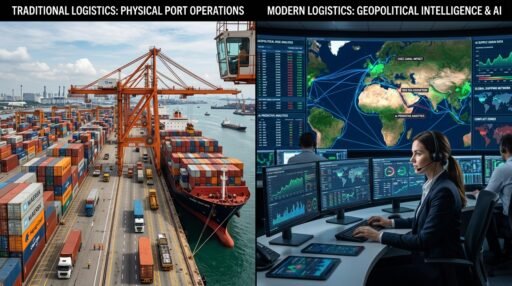
The combination of rising tariffs, geopolitical conflicts, and advancements in AI-driven logistics is set to disrupt traditional freight models fundamentally. Tariffs create unpredictable cost fluctuations, while geopolitical tensions can instantly close or reroute critical shipping lanes. Meanwhile, AI is enabling smarter, more adaptive supply chains that can respond in real time to such disruptions. The old models based purely on cost and time efficiency won’t survive the complexity and volatility of the coming decade.
Shipping Is the New Battlefield: What Smart Businesses Understand That Others Ignore
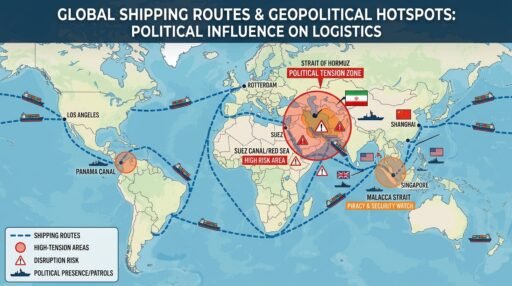
Forward-thinking companies recognize that shipping is no longer a neutral logistical task but a strategic battleground. They invest in diversified supply chains, develop contingency plans for geopolitical disruptions, and leverage technology to gain real-time insights into global risks. Businesses that ignore this reality risk being blindsided by sudden policy changes, trade wars, or supply chain interruptions that could threaten their survival.
What This Means for Businesses
In this new era of “political logistics,” companies need to rethink their approach to global supply chains. Diversification of routes, investment in alternative sources of critical materials, and enhanced geopolitical risk assessment are no longer optional—they’re essential.
Shipping decisions have moved from the docks and warehouses straight into the halls of diplomacy and strategy. Navigating this landscape demands not only logistical expertise but also a nuanced understanding of global politics.
Frequently Asked Questions (FAQs)
- Why are shipping decisions now considered geopolitical?
- Because control over shipping routes and supply chains can be used as political leverage by countries, influencing trade, security, and economic stability.
- How does China’s export control affect global supply chains?
- By restricting exports of critical materials, China can impact industries worldwide, from technology to defense, forcing companies and countries to reevaluate their supply dependencies.
- What is “political logistics”?
- It refers to the integration of geopolitical risk assessment and strategy into logistics and supply chain management, recognizing that shipping is influenced by political forces beyond traditional commercial factors.
- How can companies prepare for these geopolitical shipping risks?
- By diversifying suppliers and routes, investing in alternative materials, incorporating geopolitical risk analysis, and using technology to monitor global developments in real-time.
- Will AI replace traditional freight models?
- AI will transform freight models by enabling flexible, adaptive logistics systems that respond quickly to changing conditions, making traditional static models obsolete.
Wrapping Up
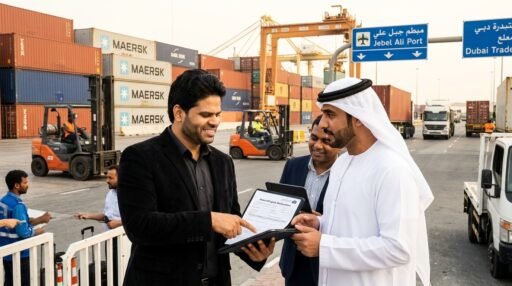
The Strait of Hormuz crisis has sounded a loud alarm for the shipping industry and the companies that rely on it. As politics increasingly shape the flow of goods, staying ahead means embracing a new mindset where every shipping decision is also a geopolitical decision.
For inquires , please contact info@alfurqanshipping.com
Next week, we’ll delve into how technology and data analytics are helping businesses adapt to this complex new world of political logistics. Until then, stay curious and stay prepared—because in today’s interconnected world, shipping is about much more than just moving goods from point A to point B.