
Energy Prices & Transport Costs: When Oil Prices Move, the Entire Logistics Industry Feels It
Oil price impact on logistics affects every business owner, supply chain manager, and logistics professional who ships goods worldwide. When crude oil prices swing up or down, transport expenses don’t just adjust—they reshape how companies plan routes, manage inventory, and price their products.
This ripple effect happens because fuel represents 30-40% of total shipping costs across trucks, ships, and planes. Energy costs transportation networks face today create challenges that go far beyond just paying more at the pump.
We’ll explore how oil price fluctuations create mathematical ripple effects that multiply across global supply chains, affecting everything from local deliveries to international freight. You’ll also discover strategic business responses companies use to protect their bottom line when energy price fluctuations shipping costs spike unexpectedly. Finally, we’ll examine industry-specific impacts showing why airlines, trucking companies, and ocean freight operators each respond differently to the same crude oil transport expenses.
Understanding oil volatility logistics costs helps you make smarter decisions about contracts, pricing, and operational planning when energy markets get turbulent.
How Oil Price Fluctuations Create Ripple Effects Across Global Supply Chains
Direct Impact on Fuel Costs for Transportation Companies
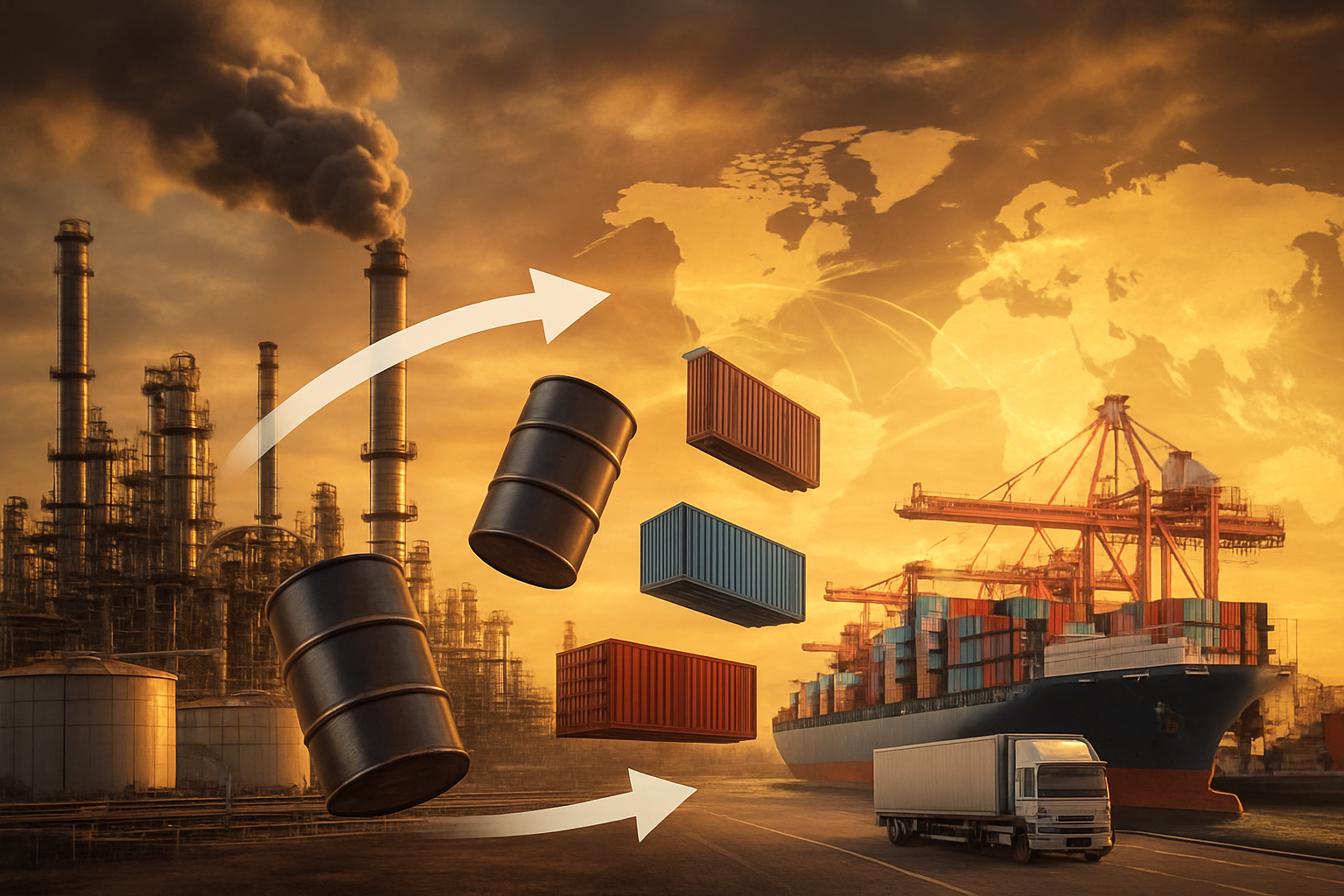
When crude oil prices spike, transportation companies feel the pain immediately at the pump. Trucking fleets, shipping lines, and logistics providers watch their fuel budgets balloon overnight. A $10 increase per barrel of oil can translate to millions in additional operating expenses for major transport operators.
Long-haul trucking companies face the most severe impact since diesel represents 20-30% of their total operating costs. Airlines experience similar pressure, with jet fuel accounting for roughly 25% of their operational expenses. Ocean freight carriers, while more fuel-efficient per ton of cargo, still see massive cost increases due to the sheer scale of their operations.
The oil price impact on logistics becomes particularly pronounced during periods of volatility. Companies that locked in fuel contracts during low-price periods gain competitive advantages, while those exposed to spot market prices struggle with unpredictable cost structures. Many operators implement fuel surcharges to offset these fluctuations, but competitive pressures often limit how much they can pass through to customers.
Immediate Price Adjustments in Shipping and Freight Services
Energy costs transportation providers to rapidly adjust their pricing structures when oil markets fluctuate. Freight forwarders and shipping companies typically implement automatic fuel surcharge mechanisms that adjust weekly or even daily based on current energy prices.
Express delivery services like FedEx and UPS use sophisticated fuel surcharge formulas tied directly to Department of Energy fuel price indices. These surcharges can range from 5% to 15% of base shipping costs during high oil price periods. Ocean carriers adjust bunker adjustment factors (BAF) on major trade routes, sometimes adding hundreds of dollars per container when fuel costs surge.
The speed of these adjustments varies by transport mode:
-
Air freight: 24-48 hour price adjustments
-
Ground shipping: Weekly surcharge updates
-
Ocean freight: Monthly contract modifications
-
Rail transport: Quarterly fuel cost reviews
Smaller logistics providers often struggle to implement these rapid pricing changes, creating competitive imbalances in the market. Regional carriers may absorb fuel cost increases longer than larger competitors, putting pressure on their profit margins and potentially forcing market consolidation.
Secondary Effects on Manufacturing and Production Costs
Crude oil transport expenses create cascading effects that extend far beyond the transport sector itself. Manufacturing companies face a double hit: higher costs for raw materials transportation and increased expenses for distributing finished goods to customers.
Chemical and plastics manufacturers experience particularly severe impacts since petroleum serves as both a raw material and energy source. Steel producers see transportation costs for iron ore and coal shipments increase substantially. Food processors dealing with perishable goods face pressure from both refrigerated transport costs and packaging material price increases.
The automotive industry exemplifies these secondary effects. When oil volatility logistics costs rise, car manufacturers pay more for:
-
Shipping components from suppliers
-
Moving vehicles from assembly plants to dealerships
-
Transporting raw materials like steel and aluminum
-
Distributing spare parts through service networks
These cumulative cost pressures force manufacturers to make difficult decisions about pricing, production locations, and supply chain optimization. Some companies relocate production closer to end markets to reduce distribution costs, while others invest in more fuel-efficient transport solutions.
Consumer Price Increases Due to Higher Distribution Expenses
Energy price fluctuations shipping costs directly impact retail prices as companies pass through higher logistics expenses to consumers. Grocery stores, which operate on thin margins, quickly adjust prices when transport costs rise. A gallon of milk might increase by 10-15 cents when diesel prices surge due to distribution cost pressures.
Online retailers face particular challenges since they promise fast, often free shipping to customers. When fuel costs spike, these companies must choose between absorbing higher logistics costs or implementing delivery fees. Amazon and other e-commerce giants invest heavily in delivery optimization technologies to minimize fuel consumption and maintain competitive shipping rates.
Rural consumers typically face higher price increases than urban customers due to longer distribution distances and lower delivery density. The transport sector oil dependency creates geographic price disparities that can persist for months after initial oil price shocks.
Essential goods experience different price transmission patterns:
| Product Category | Price Response Time | Typical Impact |
|---|---|---|
| Gasoline | 1-3 days | Direct correlation |
| Food products | 1-2 weeks | 3-8% increase |
| Consumer goods | 2-4 weeks | 1-5% increase |
| Construction materials | 1-3 months | 5-15% increase |
The freight industry passes through approximately 60-80% of fuel cost increases to customers within 30-60 days, depending on contract terms and competitive pressures. This creates inflationary pressures that can persist long after oil prices stabilize, as companies rebuild profit margins compressed during high-cost periods.
Understanding the Mathematical Relationship Between Crude Oil and Transport Expenses
Fuel Cost Percentage in Total Transportation Budgets
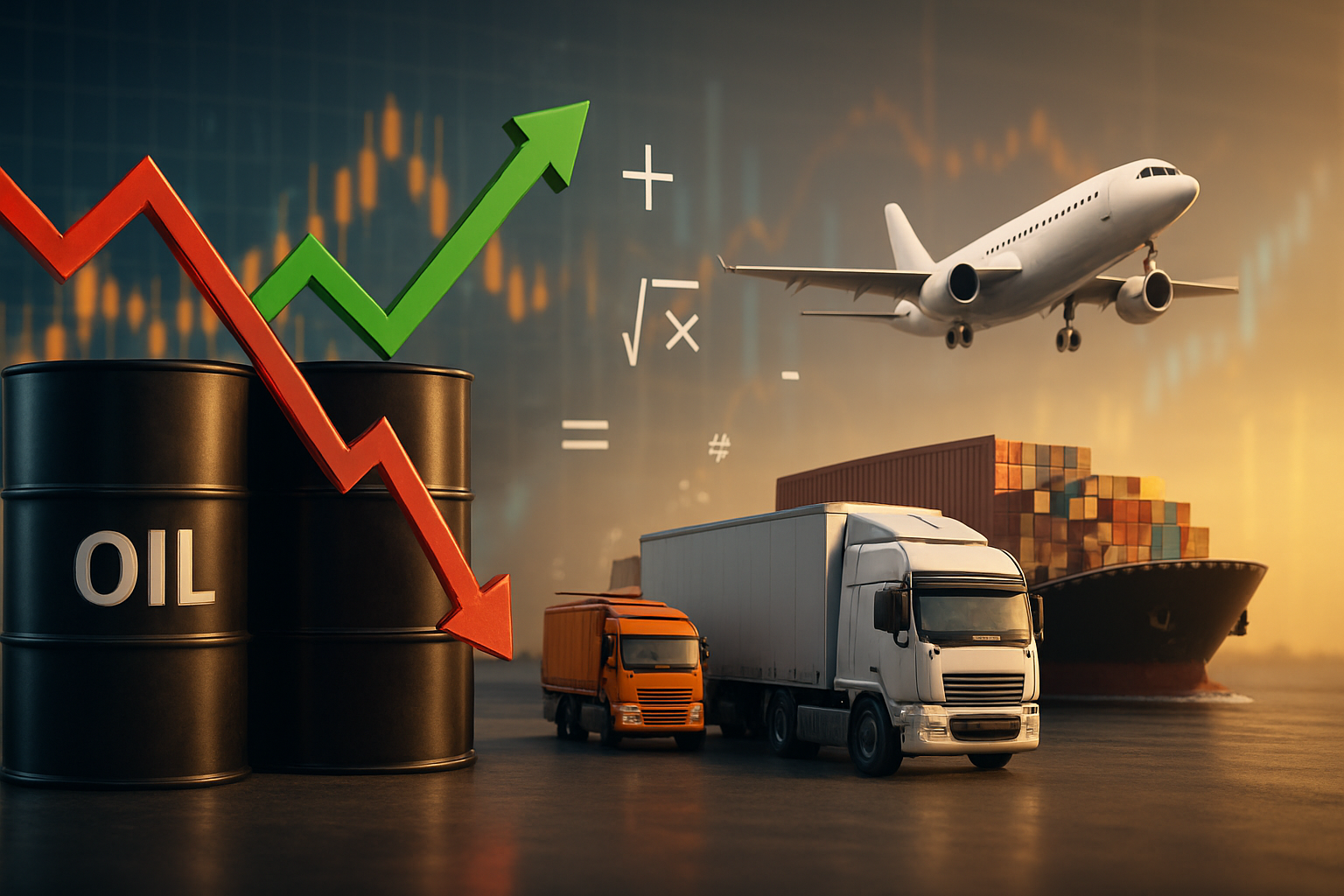
Oil price impact on logistics becomes crystal clear when examining actual numbers. Fuel costs typically account for 30-40% of total transportation expenses for long-haul trucking operations, making them incredibly vulnerable to crude oil transport expenses fluctuations. Airlines face even steeper exposure, with jet fuel representing 20-35% of their operational costs during normal market conditions.
The maritime shipping industry shows interesting variations in fuel price supply chain sensitivity. Container ships allocate roughly 40-60% of their operational budgets to bunker fuel, while smaller coastal vessels might see fuel costs reach 70% of total expenses. Rail transport enjoys better efficiency, with fuel costs generally staying between 15-25% of operational budgets.
| Transport Mode | Fuel Cost % of Total Budget | Sensitivity Level |
|---|---|---|
| Long-haul Trucking | 30-40% | Very High |
| Airlines | 20-35% | High |
| Container Shipping | 40-60% | Very High |
| Rail Freight | 15-25% | Moderate |
| Local Delivery | 25-35% | High |
These percentages explain why energy costs transportation spikes can devastate profit margins overnight. A 20% increase in oil prices translates to roughly 6-12% higher operational costs for most transport companies, often wiping out quarterly profits entirely.
Regional Variations in Oil Price Sensitivity
Oil volatility logistics costs hit different regions with varying intensity based on local fuel pricing structures, tax policies, and infrastructure efficiency. European logistics companies face amplified sensitivity due to higher baseline fuel taxes, where diesel taxes can add 40-60% to pump prices compared to crude oil costs alone.
North American transport operators benefit from relatively lower fuel taxes but struggle with longer average shipping distances. The vast geography means energy price fluctuations shipping costs compound across extended supply chains. Canadian logistics face additional challenges from currency exchange rates, as oil prices denominated in USD create double exposure.
Asian markets show mixed patterns. Singapore and Hong Kong maintain fuel price stability through strategic reserves, while countries like India and China experience delayed but amplified price impacts due to government subsidies that eventually require adjustment.
-
High Sensitivity Regions: Europe (tax burden), Australia (geographic isolation), Japan (import dependency)
-
Moderate Sensitivity: North America (infrastructure efficiency), South Korea (strategic reserves)
-
Variable Sensitivity: China (government intervention), Middle East (production proximity)
Transport sector oil dependency varies significantly based on local refining capacity. Regions with domestic refining operations often experience smoother price transitions, while import-dependent areas face sudden price shocks.
Time Lag Between Oil Price Changes and Transport Cost Adjustments
Logistics fuel cost management strategies create interesting timing dynamics between crude oil movements and actual transport pricing adjustments. Most trucking companies implement fuel surcharges with 1-2 week delays, using weekly average pricing to smooth short-term volatility.
Airlines typically adjust fuel surcharges monthly, though ticket prices for advance bookings might not reflect current energy costs freight industry conditions for 2-3 months. This creates significant hedging challenges, especially during periods of rapid price movement.
Ocean freight shows the longest adjustment periods, often 30-60 days between oil price changes and rate modifications. Container shipping lines frequently lock in quarterly rates with major customers, absorbing short-term oil price ripple effects global trade fluctuations but passing along sustained increases through contract renewals.
The adjustment timeline depends on several factors:
-
Contract Structure: Long-term agreements delay price pass-through
-
Market Competition: Competitive markets slow rate increases
-
Fuel Hedging: Financial instruments can delay impacts 3-6 months
-
Regulatory Environment: Some regions require advance notice for rate changes
Smart logistics companies monitor crude oil futures markets rather than spot prices, recognizing that today’s transport costs reflect oil prices from weeks or months ago. This lag creates both opportunities and risks for supply chain managers who understand the timing dynamics.
Strategic Business Responses to Oil Price Volatility in Logistics

Fuel Hedging Strategies for Transportation Companies
Smart logistics companies lock in fuel prices through hedging contracts to protect themselves from volatile oil markets. These financial instruments allow businesses to purchase fuel at predetermined prices, creating predictable cost structures that help with budgeting and pricing decisions.
Forward contracts represent the most straightforward hedging approach, where companies agree to buy fuel at fixed prices for future delivery. Major shipping lines like Maersk use these agreements to secure fuel costs up to 12 months in advance. Options contracts offer more flexibility, giving companies the right but not obligation to purchase fuel at specific prices.
Swap agreements work particularly well for companies with steady fuel consumption patterns. These contracts let businesses exchange variable fuel costs for fixed payments, effectively transferring price risk to financial institutions. Airlines frequently use fuel swaps to manage jet fuel expenses, with some carriers hedging 60-80% of their annual fuel requirements.
The timing and percentage of hedging requires careful calculation. Companies typically hedge 40-70% of their expected fuel consumption, leaving room to benefit from falling prices while protecting against major spikes. Southwest Airlines famously saved billions through aggressive fuel hedging during the 2008 oil crisis, though the strategy can backfire when oil prices drop significantly.
Route Optimization Technologies to Minimize Fuel Consumption
Advanced routing software transforms how companies manage fuel consumption by calculating the most efficient paths based on real-time data. These systems consider traffic patterns, road conditions, vehicle capacity, and delivery windows to minimize total distance and fuel usage.
GPS-enabled fleet management platforms like Samsara and Verizon Connect analyze driver behavior, identifying fuel-wasting habits such as excessive idling, harsh acceleration, and inefficient routing. Companies report 10-20% fuel savings after implementing comprehensive telematics systems that provide drivers with instant feedback on their driving patterns.
Machine learning algorithms continuously improve route efficiency by analyzing historical data and predicting optimal delivery sequences. UPS’s ORION system processes millions of delivery possibilities to create routes that reduce fuel consumption while maintaining service quality. The system saves UPS approximately 100 million miles annually, translating to substantial fuel cost reductions.
Dynamic routing adjusts delivery schedules based on changing conditions throughout the day. When fuel prices spike, the software automatically prioritizes shorter routes and consolidates deliveries to minimize total distance traveled. Integration with traffic management systems helps drivers avoid congested areas that increase fuel consumption through stop-and-go driving.
Alternative Energy Solutions for Fleet Management
Electric vehicle adoption accelerates as companies seek independence from oil price volatility. Amazon operates thousands of electric delivery vans, while FedEx commits to carbon-neutral operations by 2040 through extensive electrification programs. These initiatives reduce exposure to fuel price fluctuations while meeting sustainability goals.
Hybrid vehicles offer immediate benefits for companies not ready for full electrification. These systems automatically switch between electric and fuel power based on driving conditions, delivering 20-40% better fuel economy compared to conventional vehicles. Long-haul trucking companies increasingly deploy hybrid systems for urban deliveries where stop-and-go driving maximizes electric motor efficiency.
Biofuel integration provides another pathway to reduce petroleum dependency. Companies like Walmart partner with renewable fuel producers to supply their fleets with biodiesel blends that work in existing engines without modifications. These fuels typically cost less than conventional diesel while reducing carbon emissions.
Natural gas vehicles excel for regional trucking operations with predictable routes. Companies install compressed natural gas (CNG) fueling stations at distribution centers, creating closed-loop systems that eliminate dependence on retail fuel prices. Waste Management operates one of America’s largest CNG fleets, significantly reducing their exposure to oil price volatility.
Dynamic Pricing Models Based on Real-Time Fuel Costs
Fuel surcharges automatically adjust shipping rates based on current energy prices, ensuring companies maintain margins during volatile periods. These models use fuel price indices to calculate weekly or monthly adjustments that pass increased costs directly to customers.
Real-time pricing systems integrate fuel cost data with customer billing platforms, updating rates multiple times per day based on market conditions. Major carriers like UPS and FedEx publish fuel surcharge tables that correlate directly with Department of Energy fuel price reports, creating transparent cost-sharing mechanisms.
Smart contracts powered by blockchain technology automate pricing adjustments without manual intervention. These systems monitor fuel price feeds and automatically adjust shipping rates according to predetermined formulas, reducing administrative costs while ensuring accurate cost recovery.
Customer contracts increasingly include fuel price escalator clauses that adjust rates quarterly or annually based on energy cost indices. Long-term shipping agreements protect both parties by establishing clear mechanisms for sharing fuel cost risks, preventing disputes during periods of extreme price volatility.
Some companies offer fuel-inclusive pricing that absorbs short-term volatility in exchange for higher base rates. This approach appeals to customers who prefer predictable shipping costs and allows carriers to hedge fuel expenses across their entire customer portfolio.
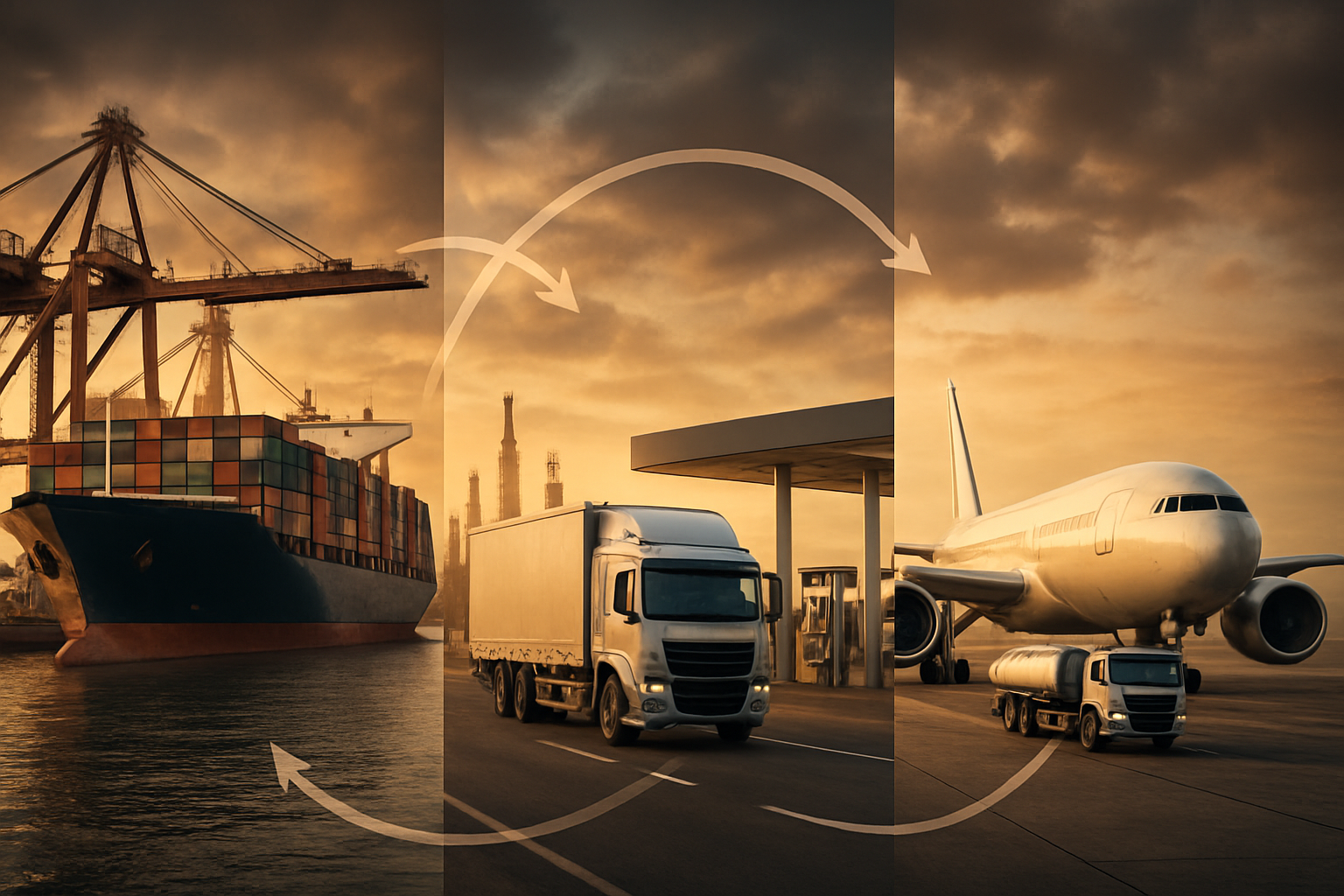
Industry-Specific Impacts of Energy Price Changes on Different Transport Sectors
Trucking and Road Freight Vulnerability to Oil Shocks
Road transport bears the heaviest burden when oil prices spike. Trucking companies face immediate pressure since fuel typically represents 25-35% of their total operating costs. When crude oil jumps $10 per barrel, diesel prices can increase by $0.20-$0.30 per gallon within weeks, translating to thousands of additional monthly expenses for fleet operators.
Regional trucking feels the pinch differently than long-haul operations. Local delivery services can often pass costs to customers more quickly through fuel surcharges, while long-distance freight carriers locked into fixed-rate contracts may absorb losses for months. Independent owner-operators suffer most acutely, as they lack the negotiating power of large fleets and often operate on razor-thin margins.
The oil price impact on logistics becomes particularly evident during market volatility. A 20% oil price increase can force smaller trucking companies out of business within 90 days, creating capacity shortages that drive rates higher across the entire sector. Smart operators hedge fuel costs through futures contracts, but this strategy requires capital reserves that many smaller players simply don’t possess.
Maritime Shipping Cost Fluctuations
Ocean freight demonstrates a complex relationship with energy costs transportation patterns. While bunker fuel represents only 15-20% of total shipping costs during stable periods, this percentage skyrockets during oil price surges. Container ships burning 200-300 tons of fuel daily see dramatic cost increases when crude oil climbs above $80 per barrel.
Different vessel types show varying sensitivity levels:
| Vessel Type | Daily Fuel Consumption | Cost Sensitivity Rating |
|---|---|---|
| Container Ships | 200-300 tons | High |
| Bulk Carriers | 40-60 tons | Medium |
| Tankers | 50-80 tons | Medium-High |
| Car Carriers | 150-200 tons | High |
Shipping lines respond through multiple strategies. Slow steaming reduces fuel consumption by 20-30% but extends transit times. Fuel adjustment factors (FAF) help transfer costs to shippers, though competitive pressure limits how much carriers can pass through. Major shipping alliances gain advantages through collective fuel purchasing power and route optimization technologies.
Air Cargo Price Sensitivity to Jet Fuel Costs
Air freight shows the strongest correlation between crude oil transport expenses and operational costs. Jet fuel accounts for 20-30% of airline operating expenses, making cargo carriers extremely vulnerable to oil volatility. A $1 increase in jet fuel prices per gallon can add $30,000-$50,000 monthly to a single wide-body freighter’s operating costs.
Express delivery giants like FedEx and UPS have developed sophisticated fuel management systems. They employ fuel hedging strategies covering 50-80% of expected consumption 12 months forward. Regional cargo airlines lack these resources, making them prime candidates for consolidation during extended high-fuel periods.
The fuel price supply chain impact creates a cascade effect in air cargo. Higher costs force airlines to prioritize high-margin routes, reducing capacity on secondary lanes. This capacity crunch drives rates up 15-25% even on routes where fuel surcharges don’t fully cover increased costs. Shippers respond by shifting non-urgent cargo to ocean freight, creating demand imbalances that ripple through the entire transport sector oil dependency network.
Peak season amplifies these effects. During holiday shipping periods, when air cargo demand peaks, fuel cost increases can double normal rate premiums, making air freight prohibitively expensive for all but the most time-sensitive shipments.
Long-Term Economic Consequences of Sustained High Energy Prices on Logistics

Infrastructure Investment Shifts Toward Energy-Efficient Solutions
Companies worldwide are rethinking their logistics infrastructure as sustained high oil prices make energy efficiency a critical competitive factor. Warehouses are being retrofitted with solar panels, electric charging stations, and smart energy management systems that reduce overall operational costs. The oil price impact on logistics has pushed businesses to invest in automated sorting facilities that consume less energy per package processed, while distribution centers are being relocated closer to urban markets to minimize transport distances.
Rail infrastructure is experiencing renewed investment interest as companies seek alternatives to fuel-intensive trucking. Electric rail systems offer predictable energy costs independent of crude oil transport expenses, making them attractive for long-distance freight movement. Ports are installing shore power systems that allow ships to plug into the electrical grid instead of running diesel generators while docked, reducing both costs and emissions.
The shift extends to smaller operational changes with significant cumulative impact. LED lighting systems, electric forklifts, and regenerative braking technology in warehouse equipment are becoming standard investments. Companies are discovering that these infrastructure upgrades often pay for themselves within 2-3 years through reduced energy costs transportation expenses.
Supply Chain Restructuring to Reduce Transportation Dependencies
High energy costs are fundamentally reshaping global supply chain geography. Manufacturers are establishing regional production hubs instead of relying on single, distant facilities that require extensive shipping networks. This “nearshoring” trend reduces exposure to fuel price supply chain volatility while improving delivery times and inventory management.
Just-in-time manufacturing models are being replaced with more resilient approaches that balance inventory costs against transport risks. Companies are building strategic stockpiles closer to end markets, reducing the frequency of long-distance shipments and creating buffer zones against energy price fluctuations shipping disruptions.
Multi-modal transportation strategies are becoming the norm rather than the exception. Smart logistics managers are combining rail, barge, pipeline, and trucking options to optimize routes based on real-time fuel prices and capacity availability. This approach provides flexibility to shift between transport modes when oil volatility logistics costs spike unexpectedly.
Regional supplier networks are expanding as businesses reduce their dependence on distant suppliers. Local sourcing initiatives not only cut transportation costs but also provide greater supply chain visibility and control, reducing the impact when crude oil prices surge unexpectedly.
Innovation Acceleration in Electric and Hybrid Commercial Vehicles
The transport sector oil dependency crisis has become a powerful catalyst for vehicle innovation. Electric delivery vans are moving beyond pilot programs into full-scale deployments, with companies like Amazon, UPS, and FedEx investing billions in electric fleets. Battery technology improvements and falling costs are making electric commercial vehicles economically viable for urban and regional routes.
Hybrid long-haul trucks are bridging the gap while fully electric solutions mature. These vehicles can operate on electric power in urban areas while switching to conventional engines for highway driving, offering immediate fuel savings and regulatory compliance benefits.
Autonomous vehicle development is accelerating partly due to energy efficiency considerations. Self-driving trucks can maintain optimal speeds, reduce unnecessary acceleration and braking, and optimize routing in real-time to minimize fuel consumption. The combination of electric powertrains and autonomous operation promises to dramatically reduce logistics fuel cost management challenges.
Charging infrastructure development is keeping pace with vehicle adoption. Logistics companies are partnering with energy providers to install fast-charging networks along major freight corridors, creating the foundation for widespread electric commercial vehicle adoption. Some companies are even generating their own renewable energy to power their fleets, completely disconnecting from fossil fuel price volatility.
Competitive Advantages for Companies with Lower Energy Footprints
Organizations that successfully reduce their energy intensity are gaining significant competitive advantages in bidding for contracts and attracting cost-conscious customers. Companies with efficient logistics operations can offer more stable pricing during periods of oil price ripple effects global trade, making them preferred partners for long-term relationships.
Lower energy footprints translate directly into improved profit margins during energy price spikes. While competitors struggle with increased costs, energy-efficient companies can maintain profitability and even gain market share by underbidding less efficient rivals. This creates a virtuous cycle where energy efficiency investments fund further optimization initiatives.
Brand value and customer loyalty are increasingly tied to sustainability metrics. B2B customers are prioritizing suppliers with lower carbon footprints and more resilient operations, viewing them as less risky partners. Consumer brands are selecting logistics providers based on their environmental credentials, recognizing that energy costs freight industry fluctuations can impact their own cost structures.
Financial markets are rewarding companies with robust energy management strategies through higher valuations and easier access to capital. Investors recognize that businesses with lower energy dependencies are better positioned to weather commodity price volatility and regulatory changes. This financial advantage enables continued investment in efficiency improvements while competitors struggle with higher operational costs.
The data clearly shows that early adopters of energy-efficient logistics practices are building sustainable competitive moats. As energy costs continue to represent a larger portion of total logistics expenses, the gap between efficient and inefficient operators will only widen, making current investments in energy optimization critical for long-term business survival.

When oil prices shift, the impact spreads through every corner of the logistics world like dominoes falling in sequence. Transport companies face immediate pressure on their fuel costs, which directly translates to higher shipping rates for businesses and eventually reaches consumers through increased product prices. The mathematical relationship between crude oil and transport expenses creates a predictable pattern that smart companies have learned to anticipate and manage through strategic planning, alternative fuel investments, and flexible pricing models.
The ripple effects don’t stop at higher costs – they reshape entire industries. Airlines adjust routes and capacity, shipping companies modify their schedules, and trucking firms restructure their operations to maintain profitability. Companies that thrive during volatile energy periods are those that build flexibility into their supply chains, diversify their transport options, and maintain strong relationships with logistics partners. As energy markets continue to evolve, businesses must stay agile and prepared for the next wave of price changes that will inevitably test their supply chain resilience.