
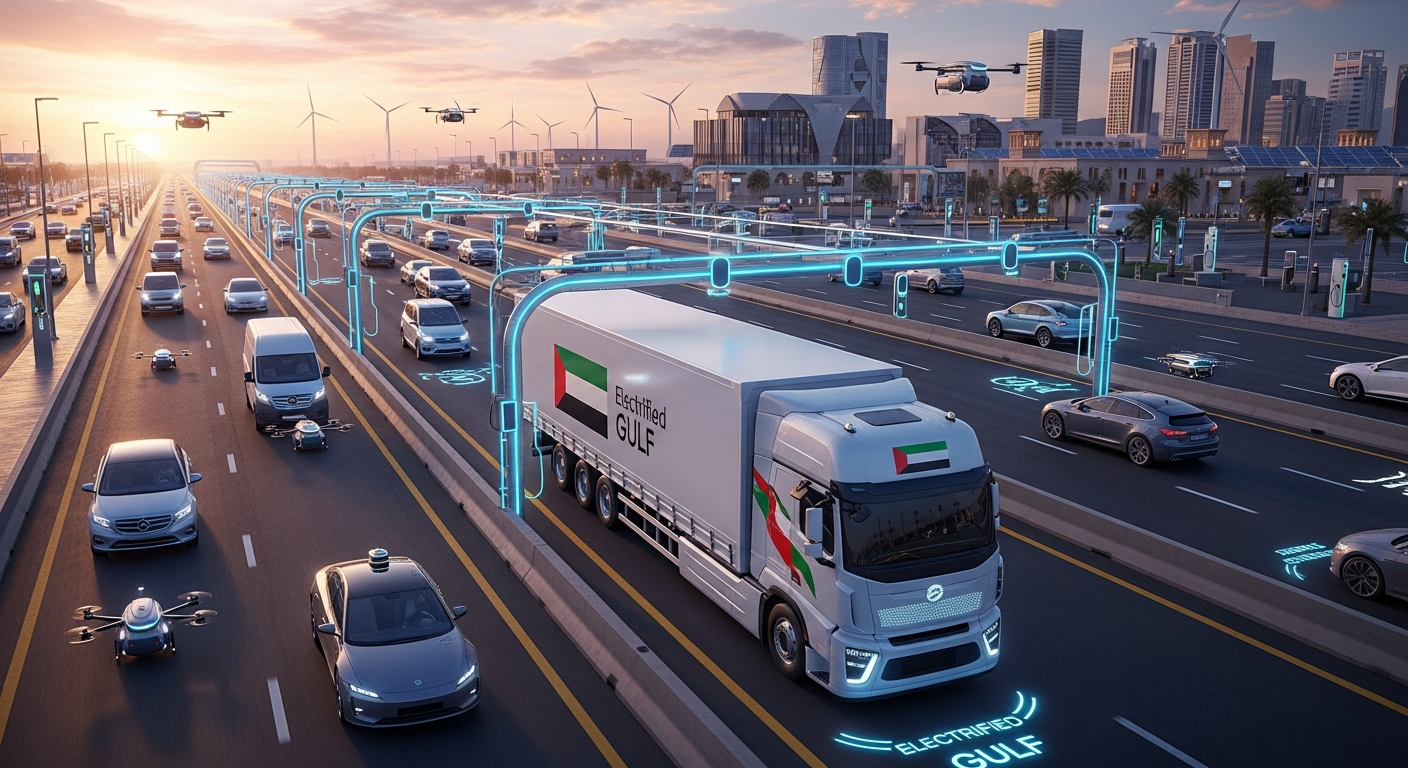
The Gulf electric vehicle revolution is transforming how goods move across the UAE, Saudi Arabia, and Oman, creating massive shifts in freight forwarding and logistics operations. This comprehensive guide targets freight forwarders, logistics managers, supply chain professionals, and business leaders who need to understand how Middle East sustainable transportation initiatives will impact their operations and bottom line.
Electric mobility transformation is happening fast across the Gulf region. Government mandates are pushing commercial fleets toward electrification while billions flow into charging infrastructure that will reshape delivery routes and warehouse locations. These changes create both challenges and electric mobility freight opportunities that forward-thinking companies can capitalize on.
You’ll discover how Gulf EV government policies are accelerating the switch to electric commercial fleet logistics, from Dubai’s ambitious carbon-neutral goals to Saudi Arabia’s NEOM megacity project. We’ll explore the infrastructure boom creating new logistics hubs and explain why Middle East freight forwarding trends show electric vehicles will dominate last-mile delivery within the next decade.
Finally, you’ll learn practical strategies for adapting your electric vehicle supply chain management to these regional changes, including cost implications, route optimization for electric fleets, and partnership opportunities with charging network providers across the Gulf states.
Electric Vehicle Revolution Reshaping Gulf Transportation Landscape
UAE’s Ambitious Electric Mobility Targets and Infrastructure Investments
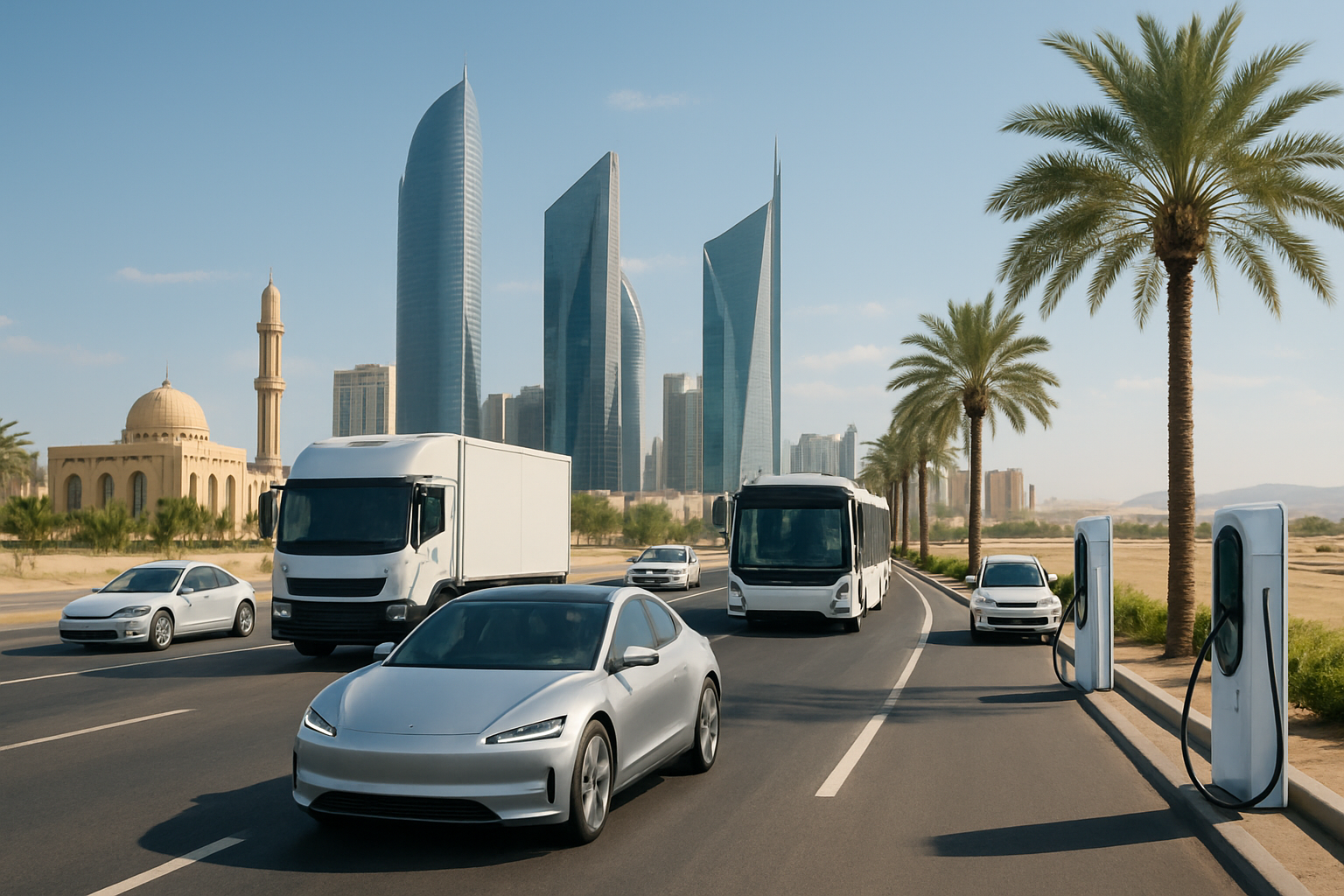
The UAE has positioned itself as the Gulf electric vehicle revolution’s frontrunner, setting bold targets that reshape the entire Middle East transportation landscape. By 2050, the Emirates aims to achieve net-zero carbon emissions, with electric mobility transformation playing a central role in this vision. Dubai leads the charge with plans to convert 90% of government vehicles to electric or hybrid models by 2026, while Abu Dhabi has committed to electrifying its entire public bus fleet.
The UAE’s infrastructure investments tell a compelling story of commitment. The country has allocated over $6 billion for EV charging networks, with Dubai alone planning 20,000 charging stations by 2030. ADNOC Distribution has partnered with global charging providers to create the region’s most comprehensive network, strategically placed along major freight corridors and commercial zones.
These investments directly impact freight forwarding operations, as the UAE electric mobility transformation creates new supply chain opportunities. Major logistics hubs in Dubai and Abu Dhabi are retrofitting warehouses with EV-compatible infrastructure, preparing for the inevitable shift to electric commercial fleets. The Dubai International Financial Centre has already mandated that all delivery vehicles servicing the district must be electric by 2030.
Saudi Arabia’s Vision 2030 Driving Massive EV Adoption Initiatives
Saudi Arabia EV infrastructure development represents one of the world’s most ambitious automotive transformation programs. Vision 2030 doesn’t just encourage electric vehicle adoption—it mandates it through comprehensive policy frameworks that touch every aspect of the transportation ecosystem. The Kingdom plans to manufacture 500,000 electric vehicles annually by 2030, with NEOM serving as the testing ground for autonomous electric freight solutions.
The Public Investment Fund has committed $20 billion to EV manufacturing and infrastructure, partnering with global automotive leaders to establish local production facilities. This massive investment creates ripple effects throughout the freight forwarding industry, as Saudi Arabia positions itself as the Gulf region’s electric vehicle manufacturing hub.
Regional trade patterns are already shifting as Saudi companies prepare for the electric transition. Major freight corridors connecting Riyadh, Jeddah, and Dammam are being equipped with heavy-duty EV charging infrastructure capable of supporting electric trucks and delivery vehicles. The Saudi Electricity Company has launched a dedicated EV charging division, recognizing that commercial fleet electrification will drive significant energy demand growth.
Oman’s Strategic Electrification Roadmap for Sustainable Transport
Oman transportation electrification follows a methodical approach that prioritizes strategic sectors and trade routes. The Sultanate’s National Strategy for an Orderly Transition to Electric Vehicles focuses on commercial applications first, recognizing that freight and logistics operations offer the greatest immediate impact. Oman’s ports authority has announced plans to electrify all port operations vehicles by 2028, creating a blueprint for Middle East sustainable transportation.
The country’s unique geography presents both challenges and opportunities for electric mobility. Oman’s extended coastline and mountainous terrain require specialized EV solutions, driving innovation in battery technology and charging infrastructure. The government has partnered with renewable energy developers to create solar-powered charging networks along major freight routes, particularly the crucial corridor connecting Muscat to the UAE border.
Oman’s approach emphasizes gradual implementation with measurable milestones. The Ministry of Transport has established electric vehicle pilot programs for government fleets, collecting real-world data that informs broader adoption strategies. This methodical approach attracts international freight companies looking for stable, predictable operating environments as they plan their own electric fleet transitions.
The Sultanate’s strategic location as a gateway between the Gulf and global markets makes its electrification roadmap particularly significant for international logistics providers. Major shipping lines are already adapting their Middle East operations to accommodate Oman’s electric mobility requirements, recognizing that early adoption provides competitive advantages in securing lucrative government contracts.
Government Policies Accelerating Electric Mobility Transformation
Tax incentives and subsidies boosting EV market penetration
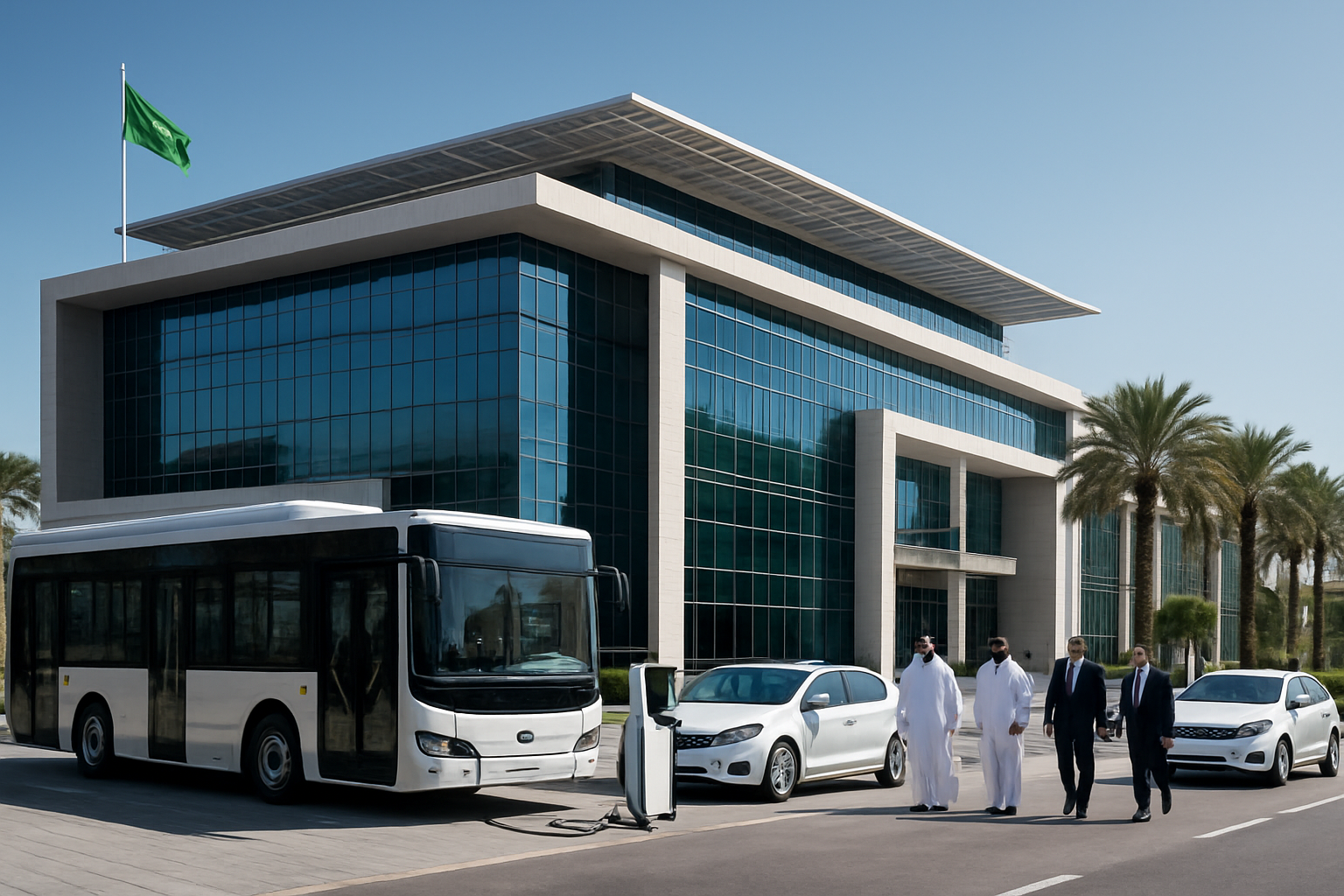
The Gulf states have launched aggressive financial incentive programs that make electric vehicles significantly more attractive to consumers and businesses. The UAE leads with comprehensive rebate programs offering up to AED 50,000 for electric vehicle purchases, while Saudi Arabia’s Vision 2030 includes substantial subsidies for both passenger and commercial EVs. These incentives extend beyond purchase price reductions to include free registration, reduced insurance premiums, and preferential parking rates in major cities.
Oman has introduced graduated incentive structures where buyers receive larger subsidies for vehicles with longer electric ranges and faster charging capabilities. The country’s National Electric Vehicle Strategy includes special financing programs through government-backed banks, offering zero-interest loans for EV purchases. These Gulf EV government policies create ripple effects throughout the automotive supply chain, making electric mobility transformation economically viable for middle-income families and small businesses.
Regional governments also provide operational subsidies for charging infrastructure installation, with some emirates covering up to 80% of home charging station costs. Commercial fleet operators benefit from accelerated depreciation schedules and reduced corporate tax rates when transitioning to electric vehicles, directly impacting freight forwarding companies evaluating fleet electrification strategies.
Regulatory frameworks supporting electric vehicle infrastructure development
Building codes across the Gulf now mandate electric vehicle charging capabilities in new residential and commercial developments. The UAE’s Green Building Regulations require all parking facilities in new constructions to include pre-wiring for EV charging, with at least 10% of spaces featuring active charging stations. Saudi Arabia has implemented similar requirements through its Saudi Building Code updates, ensuring new infrastructure supports widespread EV adoption.
Regional standardization efforts coordinate charging protocols across borders, enabling seamless cross-country electric vehicle travel. The Gulf Cooperation Council has established unified technical standards for charging stations, preventing the fragmentation that plagued early electric vehicle markets in other regions. These standards cover everything from connector types to payment systems, creating a cohesive charging network spanning multiple countries.
Smart grid integration requirements ensure charging infrastructure supports renewable energy integration and grid stability. Governments mandate that new charging stations include load balancing capabilities and renewable energy connectivity, aligning with broader sustainability goals while supporting reliable electric vehicle operations for commercial fleets.
Public sector fleet electrification mandates creating market demand
Government agencies across the Gulf face binding targets to electrify their vehicle fleets, creating substantial guaranteed demand for electric vehicles. Dubai’s government committed to converting 10% of its fleet to electric by 2025, while Saudi Arabia’s government entities must achieve 30% electrification by 2030. These mandates cover everything from patrol cars to administrative vehicles, establishing proven use cases for electric vehicles in demanding operational environments.
Police departments and emergency services increasingly deploy electric vehicles, demonstrating reliability and performance under challenging conditions. The Dubai Police’s fleet of Tesla Model S and BMW i8 patrol cars showcases electric vehicle capabilities while building public confidence in the technology. Similar programs in Saudi Arabia and Oman provide real-world validation of electric vehicle performance for commercial applications.
Municipal service vehicles, including waste collection and maintenance fleets, transition to electric power through phased replacement programs. These highly visible applications demonstrate electric vehicle capabilities for freight forwarding companies evaluating similar commercial applications, while government procurement volumes help achieve economies of scale that benefit private sector adoption.
Import duty reductions making EVs more accessible to consumers
Dramatic import duty cuts position electric vehicles competitively against traditional internal combustion engines. The UAE eliminated import duties on electric vehicles entirely, while Saudi Arabia reduced tariffs to just 5% compared to 25% for conventional vehicles. Oman offers sliding duty scales based on battery capacity and efficiency ratings, encouraging imports of higher-performance electric vehicles.
These duty reductions extend to electric vehicle components and charging equipment, supporting local assembly operations and aftermarket services. Batteries, electric motors, and charging stations enter Gulf markets with minimal tariffs, enabling competitive pricing for both vehicle manufacturers and infrastructure developers. The policy framework particularly benefits commercial vehicle applications where total cost of ownership calculations make electric options increasingly attractive.
Expedited customs clearance procedures for electric vehicles reduce delivery times and administrative costs. Special green lanes at major ports prioritize EV shipments, while simplified documentation requirements streamline the import process. These improvements directly benefit freight forwarding companies managing electric vehicle imports and create operational efficiencies that support market growth across the region.
Infrastructure Development Creating New Logistics Opportunities
Rapid charging network expansion across major trade routes
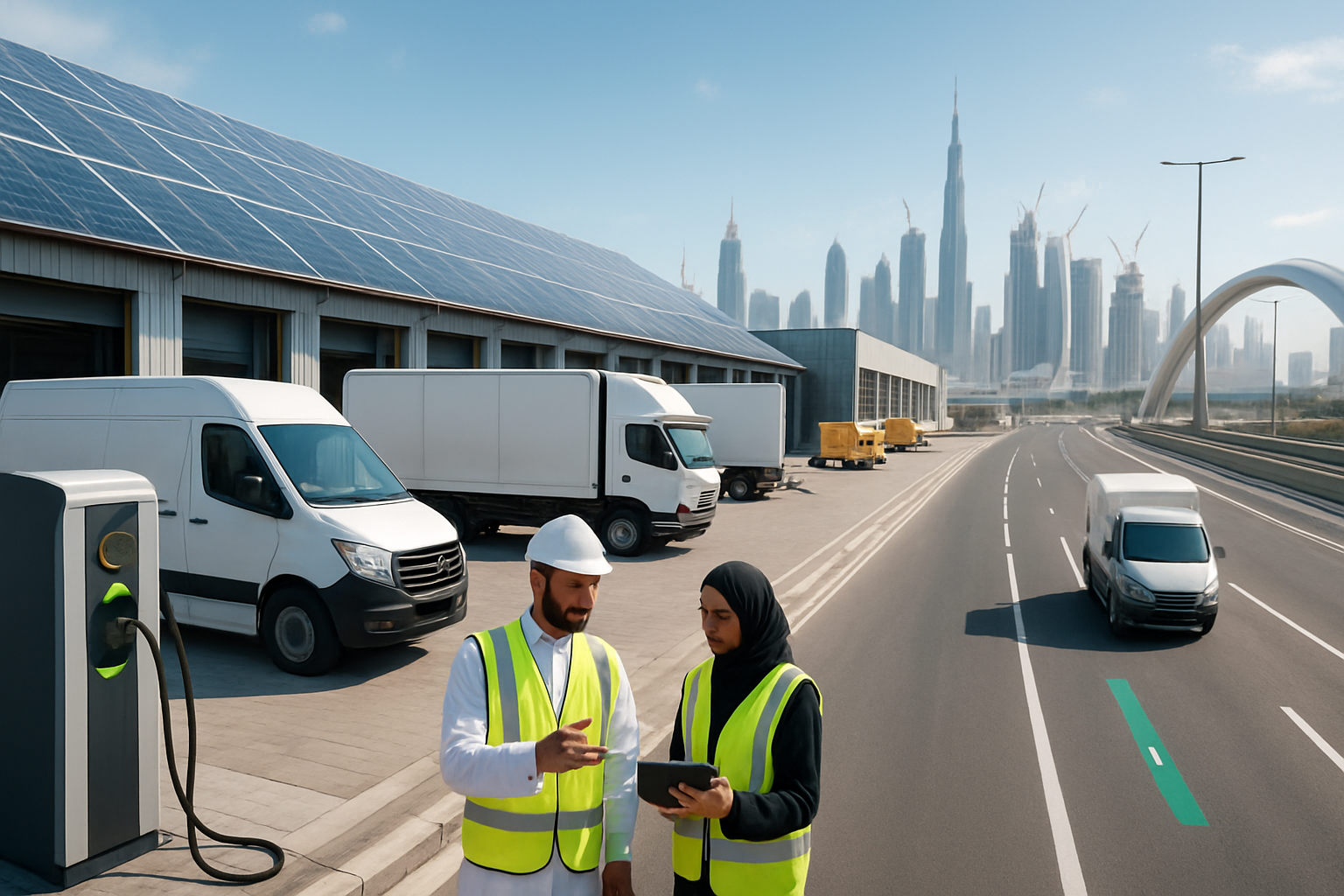
The Gulf region is witnessing an unprecedented buildout of electric vehicle charging infrastructure along critical commercial corridors. The UAE has positioned charging stations every 50 kilometers along the Dubai-Abu Dhabi highway, while Saudi Arabia’s NEOM megacity project includes dedicated charging networks for commercial vehicles traversing the Red Sea economic zone. This strategic placement creates seamless electric mobility for freight operators moving goods between major ports, airports, and distribution centers.
Oman’s national charging network focuses on connecting Muscat with the UAE border, establishing an electric corridor that supports cross-border trade flows. These developments mean freight forwarders can now plan electric vehicle routes with confidence, knowing reliable charging infrastructure exists along primary logistics arteries. The charging stations feature high-powered DC fast chargers capable of replenishing commercial vehicle batteries in under 30 minutes, minimizing downtime for time-sensitive deliveries.
Saudi Arabia’s Public Investment Fund has allocated $7.5 billion specifically for EV infrastructure development, targeting 10,000 charging points by 2030. This massive investment creates opportunities for logistics companies to transition their fleets while maintaining operational efficiency across the Kingdom’s vast territory.
Smart grid integration enabling efficient energy distribution
Gulf nations are pioneering smart grid technology that optimizes electricity distribution for electric vehicle fleets. The UAE’s smart grid system allows freight companies to schedule charging during off-peak hours, reducing operational costs by up to 40%. This dynamic pricing model enables logistics providers to charge their entire fleet overnight when electricity rates drop significantly.
Saudi Arabia’s smart grid infrastructure incorporates renewable energy sources, meaning electric commercial vehicles can run on solar power during daylight hours. This integration creates a sustainable logistics ecosystem where freight operations contribute to the Kingdom’s carbon neutrality goals while achieving cost savings. Fleet managers can now monitor real-time energy consumption across multiple vehicles, optimizing routes and charging schedules through centralized platforms.
Oman’s smart grid project connects major industrial zones with dedicated EV charging networks, ensuring consistent power supply for freight operations. The system automatically adjusts energy distribution based on demand, preventing grid overload during peak shipping seasons. This reliability gives freight forwarders confidence to fully electrify their operations without worrying about power shortages affecting delivery schedules.
Electric port equipment revolutionizing cargo handling capabilities
Middle East ports are rapidly electrifying their cargo handling equipment, creating cleaner and more efficient freight processing capabilities. Dubai’s Jebel Ali Port has replaced diesel-powered cranes and terminal tractors with electric alternatives, reducing operational noise by 80% and eliminating on-site emissions. This transformation allows 24/7 operations without disturbing nearby communities, extending working hours and increasing throughput capacity.
Saudi Arabia’s King Abdullah Port operates entirely on electric equipment, powered by renewable energy sources. The port’s electric automated guided vehicles (AGVs) move containers with precision timing, reducing cargo handling time by 25% compared to traditional diesel equipment. This efficiency translates to faster turnaround times for freight forwarders managing import and export operations.
Oman’s Port of Sohar has invested in electric reach stackers and terminal trucks that connect seamlessly with the national smart grid. These machines provide instant torque and precise control, enabling safer handling of sensitive cargo while reducing maintenance costs by 60%. The electric equipment operates quieter than diesel alternatives, improving working conditions for port staff and supporting extended operational hours that benefit freight scheduling flexibility.
Commercial Fleet Electrification Transforming Last-Mile Delivery
E-commerce giants investing in electric delivery vehicles
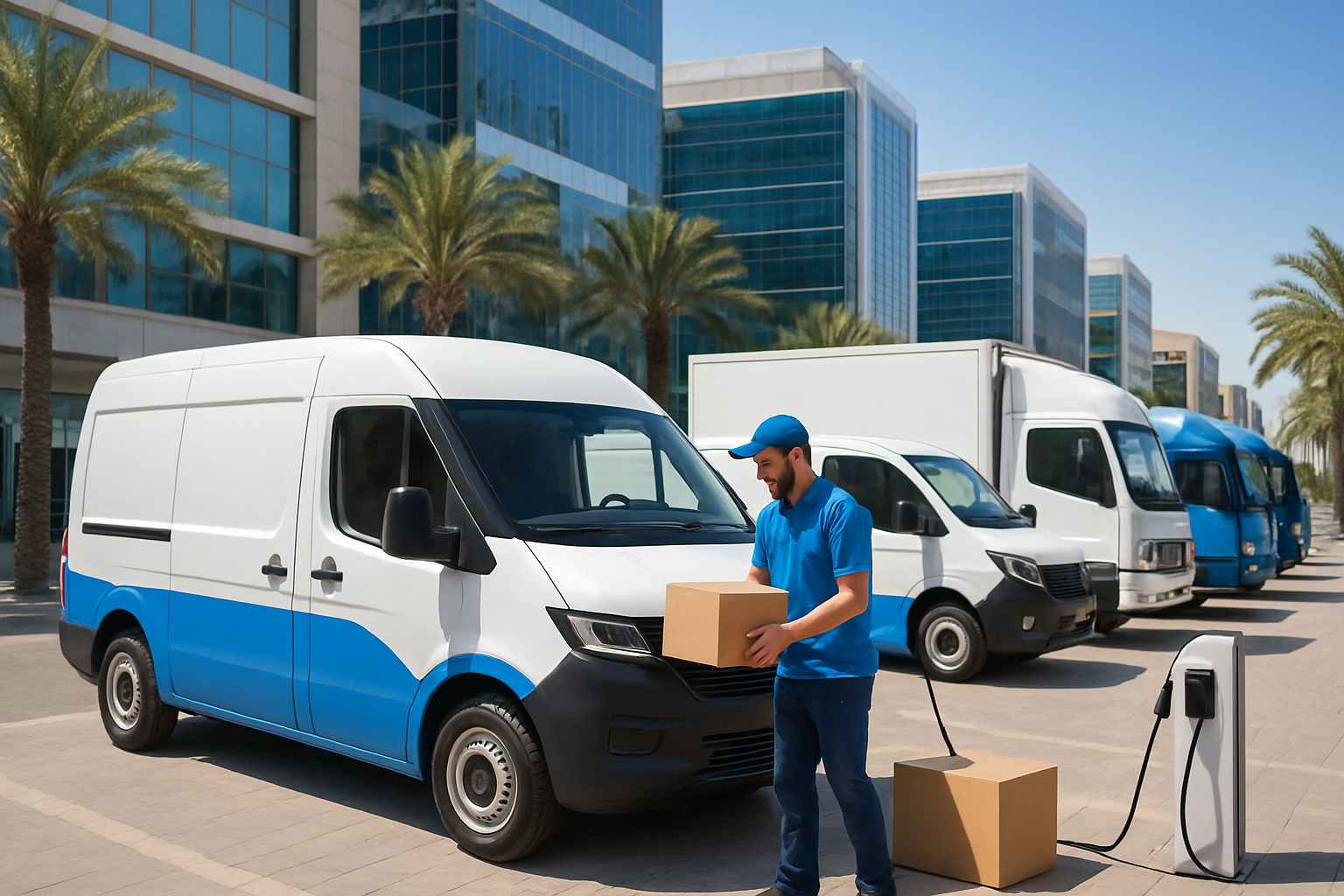
Amazon has made significant investments in electric delivery infrastructure across the Gulf region, partnering with local logistics companies to deploy thousands of electric delivery vans in Dubai and Riyadh. The company’s Climate Pledge initiative targets 100,000 electric delivery vehicles globally by 2030, with the Gulf states playing a crucial role in this Middle East sustainable transportation strategy.
Noon, the region’s homegrown e-commerce leader, has launched pilot programs using electric delivery bikes and small vans across major UAE cities. Their electric commercial fleet logistics approach focuses on same-day delivery services, capitalizing on shorter routes that maximize battery efficiency. The company reports 40% lower operational costs compared to traditional fuel-powered vehicles in urban delivery scenarios.
Careem, now part of Uber, has expanded beyond ride-sharing into freight delivery using electric vehicles. Their Captain+ program includes electric delivery options for restaurants and retailers, creating new revenue streams while supporting the Gulf electric vehicle revolution. Local delivery startups like Fetchr and Smiles have also begun transitioning portions of their fleets to electric vehicles, driven by both cost considerations and environmental mandates from Gulf governments.
Cost savings from reduced fuel and maintenance expenses
Electric delivery vehicles deliver substantial operational savings that directly impact freight forwarding profitability. Fuel costs, traditionally representing 25-30% of fleet operating expenses, drop dramatically with electric vehicles. Dubai-based logistics companies report saving $0.08-$0.12 per kilometer on fuel costs alone when switching from diesel to electric delivery vans.
Maintenance expenses show even more dramatic reductions. Electric motors have significantly fewer moving parts than internal combustion engines, eliminating oil changes, spark plug replacements, and complex transmission repairs. Fleet operators in Saudi Arabia document 60-70% lower maintenance costs over the first three years of electric vehicle ownership.
| Cost Category | Diesel Vehicle | Electric Vehicle | Savings |
|---|---|---|---|
| Fuel/Energy (per 100km) | $15-20 | $3-5 | 70-80% |
| Annual Maintenance | $2,500 | $800 | 68% |
| Service Intervals | Every 5,000km | Every 20,000km | 75% reduction |
Battery replacement costs, while significant, are offset by extended vehicle lifespans and decreasing battery prices. Current projections show total cost of ownership advantages emerging within 2-3 years for most commercial electric vehicles operating in Gulf conditions.
Enhanced urban air quality improving business operations
The UAE electric mobility transformation directly addresses air pollution challenges in dense urban areas like Dubai Marina and Abu Dhabi’s Central Business District. Electric delivery vehicles produce zero local emissions, contributing to measurably cleaner air in high-traffic commercial zones where freight forwarding operations are concentrated.
Improved air quality creates tangible business benefits for logistics companies. Workers experience fewer respiratory issues, reducing sick leave and healthcare costs. Warehouse facilities near busy roads report improved working conditions and employee satisfaction when local delivery fleets transition to electric vehicles.
Dubai Municipality data shows 15% improvement in air quality metrics in areas with high electric vehicle adoption. This environmental progress supports the broader Oman transportation electrification and Saudi Arabia EV infrastructure initiatives, creating a regional network of cleaner logistics hubs.
Electric vehicles also operate more quietly than diesel trucks, enabling extended delivery hours in residential and commercial areas. Many Gulf cities now allow electric delivery vehicles to operate during previously restricted nighttime hours, providing competitive advantages for companies embracing electric mobility freight opportunities.
Battery technology advances extending vehicle range capabilities
Recent battery technology breakthroughs are revolutionizing electric commercial vehicle capabilities in Gulf operating conditions. Lithium iron phosphate (LFP) batteries, increasingly popular in the region, handle extreme heat better than traditional lithium-ion batteries while maintaining 90% capacity after 3,000 charge cycles.
Range capabilities now meet most last-mile delivery requirements. Current electric delivery vans achieve 200-300 kilometers on a single charge under Gulf weather conditions, sufficient for typical urban delivery routes. Fast-charging technology allows 80% battery replenishment in 45-60 minutes, enabling multiple daily delivery cycles.
Saudi Arabia’s NEOM project is pioneering solid-state battery manufacturing, promising even greater range and faster charging for electric commercial vehicles. These advances support broader Middle East freight forwarding trends toward electrification by addressing the primary concern of range anxiety.
Temperature management systems in modern electric delivery vehicles maintain optimal battery performance even in 50°C+ Gulf summers. Manufacturers like BYD and Mercedes-Benz have developed Gulf-specific battery cooling systems that preserve range and extend battery life in extreme heat conditions, making electric commercial fleet logistics increasingly viable across the entire region.
Freight Forwarding Industry Adapting to Electric Revolution

New warehouse location strategies near charging infrastructure
Freight forwarding companies across the UAE, Saudi Arabia, and Oman are completely rethinking their warehouse positioning strategies. The electric mobility transformation has made proximity to charging stations a critical factor in location decisions. Companies are now prioritizing sites within 2-5 kilometers of existing or planned charging networks, especially along major trade corridors connecting ports to inland distribution centers.
Smart logistics providers are securing warehouse spaces in industrial zones where governments have committed to installing high-capacity charging infrastructure. In Dubai’s Al Maktoum International Airport area, several freight forwarders have already relocated to capitalize on the emirate’s planned EV charging network expansion. Similarly, Saudi Arabia’s NEOM project has attracted logistics companies looking to establish operations near guaranteed charging infrastructure.
The location shift also considers power grid capacity and renewable energy access. Warehouses near solar farms or wind installations offer cost advantages for electric fleet operations, making these previously overlooked locations suddenly attractive for Middle East freight forwarding operations.
Modified logistics planning accounting for charging time requirements
Electric commercial fleet logistics demands a complete overhaul of traditional scheduling models. Route planning software now must factor in charging stops, with delivery windows extended to accommodate 30-90 minute charging breaks depending on vehicle types and cargo loads. This shift has prompted freight forwarders to develop buffer strategies, maintaining additional vehicles in rotation to meet delivery commitments.
Peak charging times create new challenges requiring sophisticated planning algorithms. Companies are staggering fleet departures to avoid grid stress periods and reduce electricity costs. Night charging strategies have become standard practice, with warehouse operations adjusted to prepare vehicles during off-peak hours.
Temperature considerations also play a crucial role in Gulf electric vehicle supply chain management. Summer heat reduces battery efficiency, requiring logistics planners to account for reduced range and longer charging times. Some companies now operate split schedules, maximizing electric vehicle use during cooler morning and evening hours while relying on hybrid solutions during peak heat periods.
Partnership opportunities with electric vehicle manufacturers
Forward-thinking freight forwarders are establishing strategic alliances with EV manufacturers to secure early access to commercial electric vehicles and gain competitive advantages. These partnerships often include preferential pricing, priority delivery slots, and access to manufacturer training programs.
Joint pilot programs have emerged as testing grounds for new electric commercial vehicle models. Companies like Aramex in the UAE have partnered with local EV manufacturers to trial delivery vans specifically designed for Middle Eastern conditions. These collaborations provide valuable feedback to manufacturers while giving freight forwarders first-hand experience with emerging technologies.
Maintenance partnerships represent another growing opportunity. EV manufacturers are offering comprehensive service packages that include on-site technician support, spare parts guarantees, and software updates. For freight forwarders lacking in-house EV expertise, these partnerships eliminate technical barriers to electric fleet adoption.
Investment in specialized equipment for EV transportation
Electric commercial vehicles require different handling equipment and safety protocols compared to traditional diesel trucks. Freight forwarding companies are investing in specialized charging equipment, including portable charging units for emergency situations and high-capacity chargers for rapid fleet turnover.
Loading dock modifications have become necessary to accommodate electric vehicle charging during loading and unloading operations. Some warehouses now feature charging-capable loading bays, allowing simultaneous cargo handling and battery charging to maximize efficiency.
Fire safety equipment specifically designed for electric vehicle incidents represents a critical investment area. Lithium battery fires require different suppression methods than traditional vehicle fires, prompting companies to upgrade their safety equipment and emergency response protocols.
| Equipment Type | Investment Range (USD) | Purpose |
|---|---|---|
| Fast charging stations | $15,000-$50,000 | Fleet charging |
| Portable chargers | $2,000-$8,000 | Emergency charging |
| Fire suppression systems | $10,000-$25,000 | Safety compliance |
| Battery diagnostic tools | $3,000-$12,000 | Maintenance |
Training programs for handling electric commercial vehicles
Driver training programs have expanded beyond basic vehicle operation to include battery management, charging protocols, and emergency procedures. Companies are partnering with technical institutes across the Gulf to develop specialized curricula for electric commercial vehicle operations.
Maintenance staff require comprehensive retraining to handle high-voltage systems safely. Certification programs covering electrical safety, battery diagnostics, and software troubleshooting have become essential investments. Some freight forwarders are establishing partnerships with automotive technical schools to create apprenticeship programs for EV technicians.
Management training focuses on fleet optimization, route planning with charging considerations, and cost analysis specific to electric operations. This includes understanding time-of-use electricity pricing, battery lifecycle management, and integration of renewable energy sources into fleet operations.
Safety training programs emphasize the unique risks associated with electric vehicles, including proper emergency response procedures, handling of damaged batteries, and workplace safety around high-voltage systems. Regular refresher courses ensure staff stay current with evolving safety standards and best practices in the rapidly advancing Gulf electric vehicle revolution.
Economic Impact Creating Competitive Advantages for Regional Trade

Reduced Operating Costs Attracting International Shipping Partners
Electric vehicle adoption across the Gulf region is creating a powerful cost advantage that’s catching the attention of international logistics companies. Fleet operators in the UAE, Saudi Arabia, and Oman are discovering that electric commercial vehicles can cut operational expenses by up to 60% compared to traditional diesel trucks. This dramatic reduction comes from lower fuel costs, minimal maintenance requirements, and government incentives that make the switch financially compelling.
International shipping giants like DHL and FedEx are already establishing regional hubs to take advantage of these cost efficiencies. The savings don’t just stop at fuel – electric vehicles have fewer moving parts, which means less downtime and predictable maintenance schedules. For freight forwarding companies, this translates to more reliable delivery windows and improved service quality.
Government subsidies across all three nations are sweetening the deal. The UAE offers zero import duties on electric commercial vehicles, while Saudi Arabia provides operational grants worth up to 30% of vehicle costs. Oman has introduced preferential electricity rates for commercial charging, making the Gulf electric vehicle revolution particularly attractive for cost-conscious logistics providers.
Green Logistics Certifications Opening New Market Segments
The push toward sustainable transportation is unlocking entirely new revenue streams for freight forwarding companies in the region. Major corporations worldwide are demanding carbon-neutral supply chains, and Middle East sustainable transportation solutions are becoming a key differentiator in winning international contracts.
Companies operating electric fleets can now access premium market segments previously unavailable to them. European retailers, in particular, are prioritizing suppliers with verified green logistics certifications. This requirement has created a two-tier market where electric fleet operators command 15-20% higher rates for their services.
The certification process itself has become streamlined across the Gulf states. Dubai’s Green Economy initiative provides fast-track certification for electric commercial fleet logistics operations, while Saudi Arabia’s Vision 2030 program offers direct pathways to international sustainability standards. These certifications aren’t just paperwork – they’re opening doors to lucrative contracts with multinational corporations that previously sourced logistics services from other regions.
Local freight forwarders report that green certifications have helped them secure contracts with major automotive manufacturers, electronics companies, and fashion brands that view sustainable logistics as essential to their brand image.
Technology Hub Positioning Attracting Global EV Manufacturers
The Gulf region’s transformation into an electric mobility hub is drawing significant investment from global EV manufacturers, creating a ripple effect that benefits the entire logistics ecosystem. Tesla, BYD, and Lucid Motors have all announced major manufacturing and distribution facilities across the three nations, bringing with them sophisticated supply chain requirements that local freight forwarding companies are uniquely positioned to serve.
This influx of EV manufacturers is creating specialized logistics demands that traditional freight forwarders are adapting to meet. Electric vehicle components require climate-controlled storage, specialized handling equipment, and technicians trained in high-voltage safety protocols. Companies that invest in these capabilities are finding themselves with exclusive partnerships worth millions in annual revenue.
The UAE’s position as a technology hub has been particularly beneficial, with Dubai and Abu Dhabi emerging as regional headquarters for major EV brands. Saudi Arabia’s NEOM project is attracting next-generation mobility companies, while Oman’s strategic location offers cost-effective manufacturing and distribution advantages.
These developments in Middle East freight forwarding trends are creating a competitive moat around companies that embrace electric mobility freight opportunities early. The combination of lower operating costs, premium market access, and technology sector growth is reshaping the entire regional trade landscape.

The Gulf region stands at the crossroads of a massive transportation shift that’s already changing how goods move across the UAE, Saudi Arabia, and Oman. Electric vehicles aren’t just rolling onto the roads—they’re backed by smart government policies, growing infrastructure networks, and forward-thinking commercial fleets that see the writing on the wall. This electric wave is creating fresh opportunities for logistics companies willing to adapt their operations and invest in new capabilities.
Freight forwarders who embrace this change now will find themselves ahead of the curve as electric mobility becomes the norm rather than the exception. The economic benefits are clear: lower operating costs, reduced environmental impact, and better alignment with global sustainability trends that clients increasingly demand. Start exploring partnerships with electric vehicle manufacturers, invest in charging infrastructure planning, and begin training your teams on electric fleet management. The Gulf’s electric future isn’t coming—it’s already here.